Your shopping cart is empty!
Welcome visitor you can login or create an account.
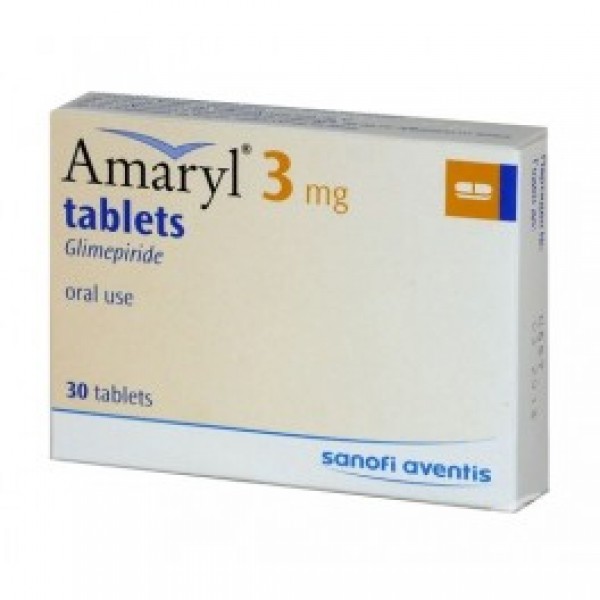
Amaryl 3 mg. 30 tablets
Product Code: Amaryl 3 mg. 30 tablets
Availability: In Stock
Product viewed: 1227


Amaryl 3 mg. 30 tablets
What is Amaryl?
Amaryl is from the group of medicines called oral hypoglycemic agents which are used to treat diabetes (a condition in which the body does not produce enough insulin to control blood sugar levels). Oral hypoglycemic agents help to control blood zahar.Aktivnoto substance in your tablets Amaryl is glimepiride (glimepiride). Amaryl is sold in packs of 30 tablets:
3 mg glimepiride, pale yellow tablets.
Each tablet contains the excipients lactose, sodium starch glycolate, polyvidone 25000, microcrystalline cellulose, magnesium stearate, and coloring E172 (tablets 1, 2 and 3 mg), and E132 (tablets 2 mg).
What is Amaryl?
Amaryl is indicated for the treatment of diabetes mellitus type II, only when diet, exercise and lowering body weight are insufficient.
Before you take your medicine
Have you reported to your doctor everything about the disease, especially if you have had problems with breathing heavily smelling breath, or mental confusion, seizures or even coma due to your illness? Tell your doctor if you have had problems with taking medicines, especially those for the treatment of high blood sugar, sulfonamide antibiotics, or if you have side effects of Amaryl. Do not take Amaryl if you are pregnant, breastfeeding, have insulin dependent diabetes (I type), or have serious liver or kidney disease. Consult your doctor if you are taking Amaryl and you can create a family. Hypoglycemia means that there is not enough blood sugar. This may occur if, for example:
- You miss or delay meals or change your diet
- Take more than the necessary amount Amaryl,
- Drinking alcohol
- Perform different character, more intense or prolonged exercise or working more than usual,
- Have severe kidney or liver disease or any other disease - eg. thyroid
- You are recovering from an injury, surgery, fever or other illness, or other forms of stress.
Some symptoms suggest that develops or there is hypoglycaemia. These include:
- Fatigue,
- Headache,
- Palpitations,
- Cold sweat,
- Nervousness or shakiness,
- Irritability,
- Nausea,
- Bouts of hunger.
Remind your doctor if you are taking any other medicines. Some medicines, even those sold without a prescription can affect the action of Amaryl, especially: antibacterial / antifungal agents (medicines to treat bacterial and fungal infections), oral contraceptives (birth control tablets), medicines for pressure, analgesics (pain killers), diuretics (water resources), depression, gout, ulcers or epilepsy drugs or protecting against increased blood clotting. In the beginning, or in case of treatment with Amaryl may experience drowsiness or blurred vision; this can also happen if you forget to take your medicine. If this happens, do not drive or operate machinery.
How should I take Amaryl?
Your doctor will tell you when and how to take your medicine. The usual starting dose is 1 mg glimepiride per day, but the dose may be increased by the doctor after every 1-2 weeks of treatment. Usually Amaryl should be taken before or with the first meal of the day, the tablet should be swallowed whole with some technost.Ako take an excessive amount of Amaryl, immediately tell your doctor immediately or go to the nearest hospital emergency zavedenie.Ako miss a dose, never double the next dose to make up for a missed dose.
The drug may also be used in combination with:
- Insulin if your diabetes is not controlled with Amaryl,
- Metformin (another oral drug for lowering blood sugar) if your diabetes is not controlled enough with metformin alone.
What side effects may occur?
Any medication can cause side effects. Adverse reactions Amaryl may include stomach problems (eg. Nausea, vomiting, diarrhea), rashes or itchy skin. It is possible that your vision to break, but it will soon recover. In rare cases, you may get an increase in liver enzymes or deterioration of liver function. If you notice anything unusual or unexpected, or if these symptoms are severe or prolonged, tell your lekar.Vazhno to know what symptoms to expect in case of hypoglycemia (low blood sugar). Request more information from your doctor or pharmacist if you are not sure how to read. The symptoms may include cold sweat, tiredness, headache, palpitations, bouts of hunger, irritability, nervousness or nausea. If you notice any of these symptoms, immediately tell your lekar.Saobshtete your doctor if you develop more infections with inflammation of the throat or mouth ulcers, if a bruise easily at the time while you are taking this medicine, or if you look paler.
How should I store this medicine?
Store at temperatures below 25 ° C.
Keep your tablets out of the reach of children.
Do not use the tablets after the expiry date stated on the packaging.
Write a review
Your Name:Your Review: Note: HTML is not translated!
Rating: Bad Good
Enter the code in the box below:
Related Products
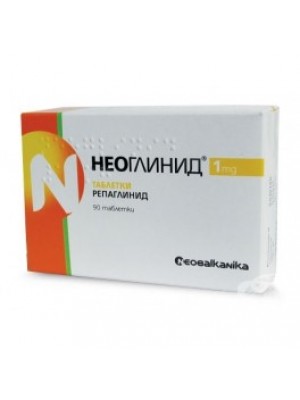
NEOGLINID table. 1 mg. 90 table NEOGLINID WHAT IS AND WHAT I..
33.00€