Your shopping cart is empty!
Welcome visitor you can login or create an account.
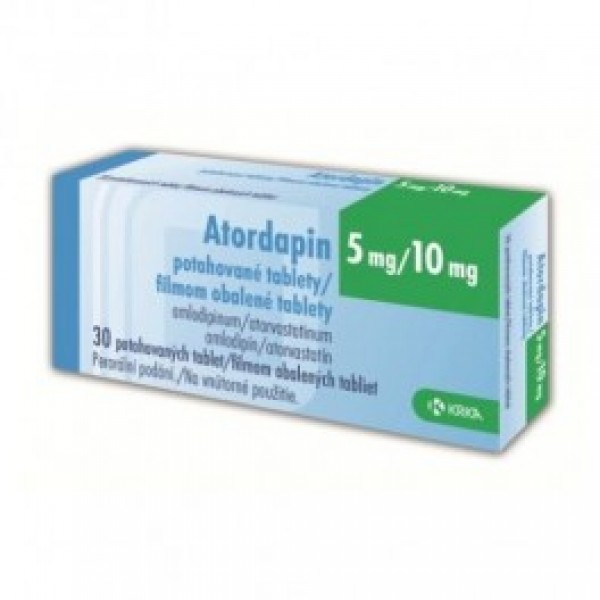
ATORDAPIN 5 mg. / 10 mg. 30 tablets
Product Code: ATORDAPIN 5 mg. / 10 mg. 30 tablets
Availability: In Stock
Product viewed: 893


ATORDAPIN 5 mg. / 10 mg. 30 tablets
What is Atordapin and what it is used
Atordapin be used to prevent cardiovascular events (e. Angina, infarction) patients with high blood pressure (hypertension) in which there are additional cardiovascular risk factors such as smoking, obesity, increased cholesterol levels, a family history for heart disease or diabetes. The presence of these risk factors associated with high blood pressure puts patients under increased risk of cardiovascular events.
Atordapin is a medicine that contains two active ingredients: amlodipine (calcium channel blocker) and atorvastatin (statin) and should be used when your doctor deems it necessary to appoint two drugs. Amlodipine is used to treat high blood pressure (hypertension) and atorvastatin reduces cholesterol.
High blood pressure (hypertension) is a condition in which blood pressure is measured high for a long time and is one of the risk factors for cardiovascular events (angina, heart attack, stroke).
Cholesterol is naturally present in the body component required for its normal growth. However, increasing its amount in the blood can cause deposition thereof on the walls of the vessels, which increases the risk of blood clot formation and cardiovascular events. This is one of the most common causes of cardiovascular disease.
2. What you should know before using Atordapin
Do not take Atordapin:
if you are allergic to amlodipine or atorvastatin or another calcium channel blocker;
if you are allergic to any of the other ingredients of this medicine (listed at the end of the leaflet);
if you recently had a disease affecting the liver (if you have previously had a disease affecting the liver, see section "Warnings and Precautions");
if you had any unexplained abnormal blood tests for liver function;
if you are pregnant, trying to become pregnant or breast-feeding;
if you are taking any of the following medications: ketoconazole, itraconazole (medicines to treat fungal infections), telithromycin (antibiotic);
if you have severe hypotension (low blood pressure);
if you have narrowing of the aortic heart valve (aortic stenosis) or cardiogenic shock (a condition where your heart can not supply enough blood to the body);
if you suffer from heart failure after myocardial infarction.
Precautions and warnings
Consult your doctor or pharmacist before you start taking Atordipin:
if you have kidney problems;
if you have decreased activity of the thyroid gland (hypothyroidism);
if you have repeated and unexplained muscle pain, if you or someone in your family has inherited muscle problems;
if you had muscle problems during previous treatment with other cholesterol-lowering (lipid) drugs (eg. other "statins" or "fibrates");
if you regularly drink alcohol in large quantities;
if you have previously had a disease that affects your liver;
if you are over 70 years;
if you had a previous stroke (stroke), bleeding in the brain or have "pockets" of fluid in the brain as a result of a previous stroke.
Consult your doctor or pharmacist before you start taking Atordapin:
if you have severe respiratory failure.
If any of these apply to you, your doctor will order blood tests before and possibly during treatment with Atordapin to predict the risk of adverse reactions associated with muscles. It is known that the risk of side effects related to the muscle, for example. rhabdomyolysis is increased by concomitant administration of certain drugs (see. section 2 'Other medicines and Atordapin ").
If you have diabetes or are at risk of developing diabetes, your doctor will monitor your condition closely while taking this medicine. You're probably at risk of developing diabetes if you have high levels of sugar and fat in the blood, if you are overweight and have high blood pressure.
Children and adolescents
Not recommended for use Atordapin of children and adolescents.
Other medicines and Atordapin
Tell your doctor or pharmacist if you are taking or have recently taken or might take any other medicines. There are some drugs that can interact with Atordapin. This interaction could make one or both of the medicines less effective. Accordingly, it may increase the risk or severity of side effects, including the important muscle wasting, a condition known as rhabdomyolysis and myopathy (described in Section 4):
certain antibiotics, e. rifampin or "macrolide antibiotics," eg. erythromycin, clarithromycin, telithromycin, fusidic acid, or certain drugs used to treat diseases caused by fungi, e. ketoconazole, itraconazole;
drugs for the regulation of cholesterol levels as fibrates (eg. gemfibrozil) or colestipol;
medicines for cardiac pacemakers, for example. amiodarone, diltiazem and verapamil;
anticonvulsants, e. carbamazepine, phenobarbital, phenytoin, fosphenytoin, primidone;
drugs that affect the immune system, such as. cyclosporin;
protease inhibitors such as ritonavir, indinavir, nelfinavir, applied to the treatment of AIDS;
drugs for the treatment of depression, for example. nefazodone, and imipramine;
medicines to treat psychiatric disorders, for example. neuroleptics;
drugs for the treatment of heart failure, for example. beta-blockers;
drugs for the treatment of high blood pressure, for example. angiotensin II antagonists, ACE inhibitors, diuretics, and verapamil;
alpha-blockers, used to treat high blood pressure and prostate problems;
other drugs known to interact with Atordapin including ezetimibe (which lowers cholesterol), warfarin (which reduces the formation of thrombi), oral contraceptives, stiripengol (anti-product), cimetidine (used for heartburn and ulcers), phenazone (analgesic product) and antacids (indigestion products containing aluminum or magnesium), amifostine (used to treat cancer), sildenafil (for erectile dysfunction), dantrolene and baclofen (muscle relaxing drugs), steroids;
medicines containing St. John's wort obtained without a prescription.
Atordapin can lower your blood pressure even more if you are already taking other medicines to treat high blood pressure.
Please tell your doctor or pharmacist if you are taking or have recently taken any other medicines, including medicines obtained without a prescription.
Atordapin with food, drinks and alcohol
Atordapin tablets can be taken at any time of day with or without food.
Grapefruit juice
Do not drink more than one or two cups of grapefruit juice per day because large quantities of grapefruit juice can change the effects of Atordapin.
alcohol
Avoid consumption of large amounts of alcohol while taking Atordapin. See "Warnings and Precautions" for more information.
Pregnancy, lactation and fertility
Atordapin not take if you are pregnant, breastfeeding or trying to get pregnant. Women of childbearing potential must use adequate contraception while taking Atordapin or other medicine. Ask your doctor or pharmacist before taking any medicine.
Driving and using machines
Do not drive or operate machinery if you feel dizzy after taking this medicine.
3. How to take Atordapin
Always take this medicine exactly as your doctor has told you. If you're not sure, ask your doctor or pharmacist.
The usual starting dose is one tablet Atordapin than 5 mg / 10 mg once daily. If necessary, your doctor may increase this dose to 10 mg / 10 mg per day.
Atordapin tablets should be swallowed whole with a drink of water. The tablets can be taken orally at any time of day with or without food. However, try to take the tablets at the same time each day.
It is advisable to follow recommended by your doctor diet, especially to limit fat, not smoking and doing regular exercise.
If you feel that the effect of Atordapin is too strong or too weak, talk to your doctor or pharmacist.
Use in children and adolescents
This drug is not recommended for children and adolescents.
If you take more than the amount Atordapin
Call your doctor immediately or go to the nearest hospital emergency room if you accidentally take too much (more than the usual daily dose) tablets Atordapin. Take the remaining tablets, the packaging and carton with you, so that medical professionals can easily understand what medications you take.
If you forget to take Atordapin
If you forget to take a dose, just carry on with the next dose as usual.
Do not take a double dose to make up the missed dose.
If you stop taking Atordapin
Do not stop taking Atordapin unless your doctor tells you to stop.
If you have any further questions on the use of this product, or want to stop your treatment, ask your doctor or pharmacist.
4. Possible side effects
Like all medicines, this medicine can cause side effects, although not everybody gets them.
If any of these effects occur when you stop taking Atordapin and contact your doctor immediately:
swelling of the face, tongue and throat which causes difficulty in breathing;
if you have unexplained muscle weakness, tenderness and pain in the muscles at the same time you feel unwell and have a fever. (Very rarely this combination of effects goes into serious life-threatening condition called rhabdomyolysis).
Common side effects that may occur in 1 in 10 people include:
alergic reaction;
headache (especially at the beginning of treatment), dizziness, fatigue, drowsiness;
abnormal heartbeat, flushing;
inflammation of the lining of the nose, throat pain, nosebleed;
malaise, abdominal pain, indigestion, altered bowel activity (including diarrhea, constipation and flatulence);
pain in joints and muscles, muscle cramps and spasms, back pain, limb pain, swelling of hands, feet, joints or feet;
elevated levels of blood sugar (if you have diabetes, you should continue to carefully track their blood sugar levels), elevated creatine kinase in the blood, elevated blood tests of liver function.
Uncommon side effects that may occur in less than 1 in 100 patients, include:
hepatitis (inflammation of liver);
fever, loss of appetite, low blood sugar levels (if you have diabetes, you should continue to carefully track their blood sugar levels), lowering or weight gain;
difficulty sleeping, nightmares, mood changes (including anxiety), depression, tremors, sensory disturbances (low sensitivity) of the hands and feet, memory loss;
vision problems (including double vision), blurred vision, ringing or tinnitus;
palpitations (sensation of increased heartbeat), shortness of breath, fainting, excessive sweating, low blood pressure;
dry mouth, change in taste, vomiting, belching;
hair loss, bruising or small spots on the skin, discoloration of the skin, change in skin sensitivity to touch or pain, numbness or tingling in the fingers and toes, rashes, hives or itching;
abnormal urination (including increased nighttime urination and frequent urination), impotence, breast enlargement in males;
feeling of discomfort, muscle fatigue, pancreatitis (inflammation of the pancreas leading to stomach pain), pain in the neck, chest pain;
positive for leukocytes in urine laboratory tests.
Rare side effects that may occur in less than 1 in 1000 patients include:
visual disturbances;
unexpected bleeding or bruising;
severe inflammation of muscles, severe muscle pain or cramps, which very rarely can lead to rhabdomyolysis (breakdown of muscle cells);
reducing the number of blood platelets;
liver problems (yellowing of the skin or whites of the eyes);
severe skin reactions allergic origin, flushing, rash with blisters, peeling skin, which can quickly move to the body and can start with flu-like symptoms accompanied by fever;
swelling in the deep layers of the skin, including swelling of the lips, eyelids and tongue, swelling or inflammation of the skeletal muscles, blistering rash, sudden and severe swelling of the skin;
sore tendon injury tendon;
confusion.
Very rare side effects that can occur in less than 1 in 10,000 patients include:
allergic reaction - symptoms may include sudden wheezing and pain or chest tightness, swelling of the eyelids, face, lips, mouth, tongue or throat, difficulty breathing, collapse;
gynecomastia (breast enlargement in men);
reduce the number of white blood cells in the blood;
muscle stiffness or tension;
cardiac dysrhythmia, myocardial inflammation of small blood vessels, pain in the stomach (gastritis);
increase in gums, cough;
loss of hearing, liver failure;
photosensitivity (skin sensitivity to light).
Other possible side effects:
sexual problems;
depression;
breathing problems including persistent cough and / or shortness of breath or fever;
violations combining rigidity, tremor, and / or movement disorders;
diabetes. This is more likely if you have high levels of sugar and fat in the blood, if you are overweight and have high blood pressure. Your doctor will monitor you while you are taking this medicine.
Adverse event reporting
If you get any side effects, contact your doctor or pharmacist.
5. How to store Atordapin
Keep out of reach of children.
Do not use this medicine after the expiry date which is stated on the label after "EXP". The expiry date refers to the last day of that month.
Store in the original container to protect from moisture. This medicine does not require any special storage conditions.
Write a review
Your Name:Your Review: Note: HTML is not translated!
Rating: Bad Good
Enter the code in the box below:
Related Products
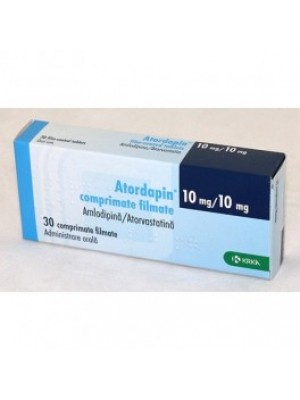
ATORDAPIN 10 mg. / 10 mg. 30 tabletsWhat is Atordapin and wh..
14.00€
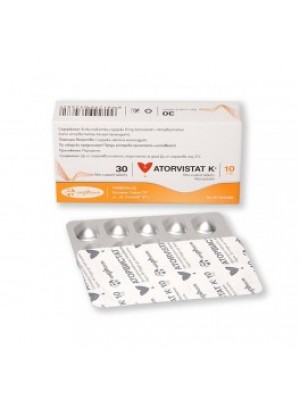
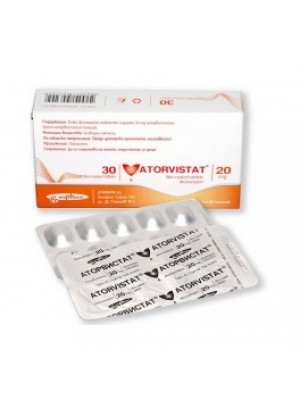
ATORVISTAT K 20 mg. 30 tabletsWhat is Atorvistat K and what ..
14.00€