
Your shopping cart is empty!
Welcome visitor you can login or create an account.
DicloRapid 75 mg. 50 capsules
Product Code: DicloRapid 75 mg. 50 capsules
Availability: In Stock

Product viewed: 1424


DicloRapid 75 mg. 50 capsules
What DicloRapid and what it is used
This medicine is an anti-inflammatory and anti-rheumatic drugs (NSAIDs NSAIDs).
Therapeutic indications:
Symptomatic treatment of pain and inflammation in:
arthritic conditions: rheumatoid arthritis, osteoarthritis, ankylosing spondylarthritis, acute gout;
acute musculoskeletal disorders such as periarthritis, tendinitis, tenosynovitis, bursitis;
painful swelling or inflammation after injury.
2. What you need to know before taking DicloRapid
Do not take DicloRapid:
if you are allergic to diclofenac sodium or any of the other ingredients of DikloRapid (listed in section 6);
if you have or have previously had recurrent gastrointestinal ulcer / haemorrhage (two or more distinct episodes of proven ulceration or bleeding);
if after taking aspirin or other NSAIDs have had reactions like asthma attack, swelling of the nasal mucosa or skin reactions;
if have unexplained disorders of hematopoiesis;
if have previous gastrointestinal bleeding or perforation, related to previous therapy with NSAIDs;
if you have bleeding in the brain (cerebrovascular bleeding) or any active bleeding;
if you have severely impaired liver function or kidney;
if you suffer from severe heart failure;
if you have established heart disease and / or cerebrovascular disease, eg if you had a heart attack, stroke, mini-stroke (propyl) or blockages of blood vessels to the heart or brain surgery or unblock blood vessels or bypass;
if you have or have had problems with blood circulation (peripheral arterial disease);
if you are in the last three months of pregnancy.
Make sure your doctor is advised before taking diclofenac:
if you smoke;
if you have diabetes;
If you have angina, blood clots, high blood pressure, high cholesterol or elevated triglycerides.
Side effects may be minimized by using the lowest effective dose for the shortest appropriate period of time.
Children and adolescents
Diclofenac is not suitable for children and persons under 18 years because of too high content of the active substance.
Warnings and Precautions
Below are described conditions in which you can take DikloRapid only under certain conditions (eg. At longer intervals or at reduced doses or under medical supervision) and with caution. If you are unsure, ask your doctor. These restrictions should apply if any of these conditions is true for you in the past.
You should be avoided to the adoption of diclofenac in combination with NSAIDs (nonsteroidal anti-inflammatory agents for the treatment of pain or arthritis, and conditions), including selective inhibitors of cyclooxygenase-2.
Adverse effects can be reduced by controlling symptoms use the lowest effective dose for the shortest possible period of time.
Elderly
In elderly patients, caution is required by general medical perspective. In particular, it is recommended to use the lowest effective dose for the elderly with impaired general condition or those with low body weight. In elderly patients was observed an increased incidence of adverse reactions to NSAIDs, and especially gastrointestinal bleeding and perforation which can be fatal.
Elderly patients require especially careful medical supervision.
Gastrointestinal Safety
At any time during treatment with NSAIDs have been reported effects such as gastrointestinal bleeding, ulceration or perforation, which can be fatal. They are prepared with or without warning symptoms, or prior to the existence of previous serious gastrointestinal events. In general, these reactions have serious consequences in the elderly.
The risk of gastrointestinal bleeding, ulceration or perforation is higher when taking higher doses of NSAIDs in patients with pre-existing ulcers, especially with complications, including bleeding or perforation (see. Section 2 "Do not take DikloRapid" ), and the elderly. To reduce the risk of gastrointestinal toxicity should be prescribed at the lowest effective dose. In such a case, and if the taking low dose aspirin or other drugs that may increase the risk of gastro-intestinal tract shall be considered a combination therapy with a protective drugs (eg. Misoprostol or proton pump inhibitor), and treatment You should start with the lowest possible dose.
If you have previous cases of gastrointestinal toxicity, particularly if you are elderly, should report any unusual abdominal symptoms to your doctor, especially in early treatment.
Caution should be exercised if you are taking concomitant medications that may increase the risk of ulcers and bleeding, such as systemic corticosteroids, anticoagulants such as warfarin, selective inhibitors of serotonin reuptake, which are used, among other indications to treat depression states or platelet aggregation inhibitors such as acetylsalicylic acid (see. section 2, "Other medicines and DikloRapid").
When appears gastrointestinal bleeding or ulceration in patients taking diclofenac, treatment should be discontinued.
NSAIDs should be administered with extreme caution in patients with previous gastric and intestinal diseases (ulcerative colitis, Crohn's disease). Strict medical supervision.
Skin reactions
Very rare cases of serious skin reactions with redness and blistering, some fatal, including exfoliative dermatitis, Stevens-Johnson and toxic epidermal necrolysis (Lyell's syndrome), see section 4. The highest risk of such reactions at the beginning of treatment, as in most cases, these reactions have been observed within the first month of treatment. Taking diclofenac should be discontinued at the first sign of skin rash, mucosal disruption or other symptoms of hypersensitivity reactions and immediately seek medical advice.
Cardiovascular safety
The use of drugs such as diclofenac may be associated with a small increased risk of heart attack ("myocardial infarction") or stroke. Any risk is more likely with high doses and prolonged treatment. Do not exceed the recommended dose and duration of treatment.
If you have heart problems, previous stroke or think that you might be at risk of these conditions (for example if you have high blood pressure, diabetes, high cholesterol or are a smoker) you should discuss your treatment with your doctor or pharmacist.
Hepatic reactions
Before initiation of therapy in patients with impaired hepatic function is required to be carefully assessed, as their condition may worsen during treatment with diclofenac. DikloRapid if taken for an extended period or at regular time periods, it is recommended as a safety measure to regularly monitor liver function. If you detect clinical symptoms of liver disease, intake DikloRapid should be discontinued immediately.
Impaired renal and cardiac function
Caution should be exercised if you are impaired cardiac or renal function have previous diseases such as hypertension (high blood pressure) or taking diuretics (drugs that increase urine output).
Respiratory and allergic disorders
If you have prior lung diseases, allergic reactions, or swelling of the nasal mucosa, it has a greater chance that you may occur reactions such as asthma or edema than in the other patients. In such cases, caution is required (standby for urgent action).
It is recommended to pay special attention to the adoption of DikloRapid if you have:
some congenital disorders of hematopoiesis (induced porphyria);
certain autoimmune diseases (systemic lupus erythematosus and mixed connective tissue disease).
Particularly careful medical supervision is required:
under existing renal impairment;
in severe hepatic dysfunction;
immediately after major surgery;
in patients with allergies (such as skin reactions to other substances, asthma, hayfever), chronic swelling of the membrane of the nasal mucosa or chronic respiratory diseases in which are enclosed the airways.
Very rarely severe acute hypersensitivity reactions (such as anaphylaxis). At the first signs of hypersensitivity reaction after the start of the adoption of DikloRapid treatment should be discontinued. It is necessary to start medical procedures, adequate against symptoms of staff with special knowledge.
Important information about DikloRapid
Since diclofenac may suppress the signs and symptoms of infection, including fever, this drug should be used with caution in patients at risk of infection. If symptoms of infection (such as redness, swelling, fever, pain and fever) or existing symptoms worsen, please contact your doctor immediately.
If DikloRapid simultaneously taking medications that hamper blood clotting or lower blood glucose, as a precautionary measure should be monitored coagulation status and your blood sugar levels.
Diclofenac may temporarily hinder platelet aggregation. Therefore, patients with bleeding problems should be carefully monitored.
In the long intake DicloRapid require regular monitoring of liver function, renal function and blood counts.
If you take DicloRapid before surgery, ask in advance or tell the doctor or dentist.
In long-term use of analgesics may occur headaches, which must not be treated with higher doses of medicinal product.
Ask your doctor if you suffer from frequent headaches, despite the adoption of DikloRapid.
Generally, a typical use of analgesics, particularly when combined analgesic several active substances can lead to permanent kidney damage with the risk of renal failure (analgesic nephropathy).
Children and adolescents:
On the admission of children and adolescents: see also section 2 "Do not take DicloRapid."
Other medicines and DicloRapid
The action of these substances and groups of drugs may be influenced if you take both DikloRapid.
Tell your doctor or pharmacist if you are taking, you have recently taken or might take any other medicines.
Digoxin, phenytoin, Lithium
Concomitant DikloRapid and digoxin (a medicine to increase the heart rate), phenytoin (a medicine to treat seizures) or lithium (a medicine to treat mental and emotional disorders) may increase the concentration of these medications in the blood. Monitoring of serum lithium levels is required. Monitoring of serum levels of digoxin and phenytoin is recommended.
Corticosteroids
Co-administration may increase the risk of gastrointestinal ulcers and bleeding.
Some antidepressants (selective serotonin reuptake inhibitors of serotonin)
Co-administration may increase the risk of gastrointestinal bleeding.
Anticoagulants and platelet aggregation inhibitors
NSAIDs may enhance the effects of anticoagulants, such as warfarin and platelet aggregation inhibitors such as acetylsalicylic acid. Co-administration may result in bleeding from the gastrointestinal tract.
Diuretics, ACE inhibitors and angiotensin II antagontisti
NSAIDs may reduce the effect of diuretics (drugs that increase urine output) and anti-hypertensive drugs (drugs that lower blood pressure). If taken at the same time, it is possible to increase the risk of violation of renal function.
If you have impaired kidney function (eg. Dehydrated patients or elderly patients with compromised renal function), the co-administration of angiotensin converting enzyme (ACE inhibitor) or angiotensin II antagonist (a medicine to treat heart failure and lower blood pressure) with a substance that inhibits cyclooxygenase may further impair renal function or even possibly lead to acute renal failure, which is usually reversible. Therefore, such a combination must always be taken with caution, especially in elderly patients. If started combination therapy, patients should take enough fluids and should monitor renal function at the beginning of treatment and periodically thereafter.
Coadministration of DikloRapid and potassium-sparing diuretics (certain type of drugs that increase the excretion of urine) can cause increased potassium levels in the blood. Therefore, it is recommended to monitor the levels of potassium.
Antidiabetic agents
There have been isolated cases of changes in blood sugar levels after taking diclofenac, which required a dose titration of drugs administered to reduce blood glucose levels (antidiabetics). Therefore recommended to monitor blood glucose levels if taken together.
Methotrexate
Adopting DikloRapid 24 hours before or after administration of methotrexate can lead to an increase of blood concentrations of methotrexate and an increase in the side effects of this drug.
Probenecid and sulfinpyrazone
Medicinal products containing probenecid or sulfinpyrazone (medicines for gout) can slow the release of diclofenac. This can lead to the accumulation of diclofenac in the body and a corresponding increase in side effects.
Cyclosporin and tacrolimus
Nonsteroidal anti-inflammatory drugs (such as diclofenac) can increase renal toxicity of cyclosporine (a drug that is taken for preventirane of transplant rejection, but can also be used to treat rheumatism) and tacrolimus.
Antibacterial quinolones
There have been isolated cases of seizures that may have been caused by the concomitant use of quinolones and diclofenac.
Colestipol and cholestyramine
These drugs can cause delay or reduce the absorption of diclofenac. It is therefore recommended intake of diclofenac to be performed at least one hour before taking colestipol / cholestyramine or 4 to 6 hours after taking any of these.
Sulfinpyrazone and voriconazole
If you are taking medicines containing sulfinpyrazone and voriconazole (inhibitors of CYP2C9) may occur accumulation of diclofenac in the body and the related side effects may be intensified.
DikloRapid with food, drink and alcohol
You should avoid to the greatest possible extent the consumption of alcohol during treatment with DicloRapid.
Pregnancy, lactation and fertility
If you are pregnant or breast-feeding, you think you may be pregnant or planning to become pregnant, ask your doctor or pharmacist before taking this medicine.
Pregnancy
If you become pregnant while taking DikloRapid tell your doctor. DikloRapid should not be taken during the first and second trimester of pregnancy until you have consulted with your doctor. DikloRapid should not be taken during the last trimester of pregnancy.
Breastfeeding
Diclofenac should not be taken during breastfeeding to avoid side effects in the newborn, as small amounts of the active ingredient diclofenac and its residues pass into breast milk.
Fertility
Diclofenac may cause difficulties in getting pregnant. Tell your doctor if you are pregnant or have problems getting pregnant.
Driving and using machines
Since the side effects of the central nervous system, fatigue and dizziness can occur when applying DikloRapid, especially when taken at higher doses in isolated cases, it is possible to impair the ability to drive a motor vehicle and / or operate machinery. This is especially true when there is interaction with alcohol. It may not be able to react quickly enough and sufficiently controlled to the unexpected and sudden events. Refrain from potentially dangerous activities. Do not operate without reliable safety conditions.
3. How to take DicloRapid
Always take this medicine exactly as you have been told by your doctor. If you're not sure, ask your doctor or pharmacist.
Diclofenac dose depends on the severity of the condition.
Write a review
Your Name:Your Review: Note: HTML is not translated!
Rating: Bad Good
Enter the code in the box below:
Related Products
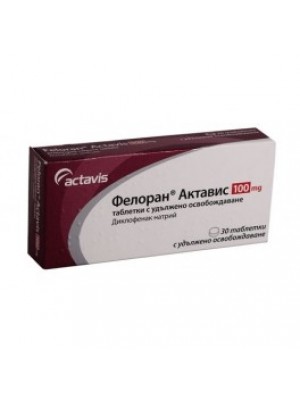

Diclofenac Duo 75 mg. 30 capsulesWHAT Diclofenac DUO AND WHA..
18.00€
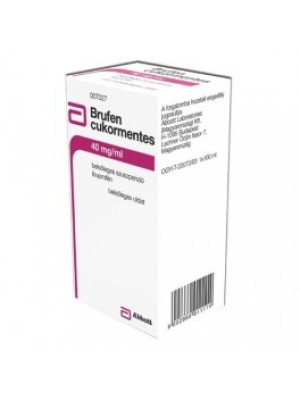
Brufen forte 40mg. / ml. 100 ml. What Brufen Forte 40 mg / m..
18.00€