
Your shopping cart is empty!
Welcome visitor you can login or create an account.
EPILAN D 100mg. 100 tablets
Product Code: EPILAN D 100mg. 100 tablets
Availability: In Stock
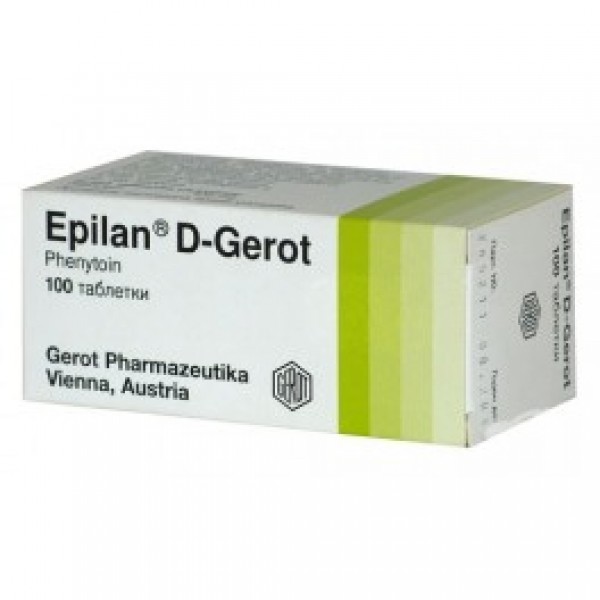
Product viewed: 1127


EPILAN D 100mg. 100 tablets
WHAT EPILAN D AND WHAT IT IS USED
Phenytoin, the active ingredient of the tablets Epilan E has an anticonvulsant effect and anticonvulsant drug which is effective for various types of epileptic seizures (fits).
Epilan D tablets used to treat various forms of epileptic seizures (fits).
2. WHAT YOU SHOULD KNOW BEFORE YOU TAKE EPILAN D
Do not take Epilan D:
if you are allergic (hypersensitive) to phenytoin or other substances of the same group or any of the other ingredients of Epilan E;
if you suffer from certain conduction disorders of cardiac function (2nd and 3rd degree AV block with disappearance of ventricular rhythm, SA block);
at low white blood cells (leukopenia);
if you have impaired liver function.
Take special care with Epilan E:
if you have very low blood pressure (systolic blood pressure lower than 90 mm Hg);
if you suffer from some cardiac dysfunction (heart failure, slow heartbeat (less than 50 beats per minute), conduction abnormalities);
in case of strong impairment of pulmonary function.
In these cases, your doctor will decide whether you can take Epilan D.
Tell your doctor if you have liver or kidney you have very high blood sugar. In these cases, your doctor will ask you to perform additional studies.
During treatment, your doctor will ask you for periodic monitoring of blood counts and liver function (in children and also for the function of the thyroid gland). If you are taking medication to reduce blood clotting, also may need regular testing of coagulation.
In case of serious skin allergic reactions (especially skin rashes, fever, sore throat, swollen lymph nodes, ulceration of the throat, mouth, or other areas or jaundice), you should immediately consult a doctor. The doctor will determine the future course of treatment.
Especially important is the observance of good dental hygiene to avoid the development of gingival hyperplasia (pronounced growth of gum tissue).
While receiving treatment with Epilan D tablets should not take hypnotics (sleeping pills).
It is possible in rare cases during treatment with Epilan D tablets to serious skin reactions. This risk may be associated with gene variant person originating from Thailand and China. In case you are of such origin and investigations have established such a genetic variant (HI.AB * 152) before taking Epilan D tablets should discuss your treatment with your doctor.
Small number of patients treated with antiepileptic drugs such Epilan D tablets had thoughts of hurting or killing themselves. If at any time you have these thoughts, contact your doctor.
Phenytoin may reduce the effect of oral contraceptives (medicines for birth control, contraception and the like). For this reason it is recommended to use alternative methods of contraception.
Other medicines and Epilan D
Please tell your doctor or pharmacist if you are taking or have recently taken any other medicines, including medicines obtained without a prescription.
Drugs and other substances can influence their effects.
This concerns for example the alcohol, as well as other drugs used to reduce blood clotting, sedatives and hypnotics, certain antibiotics, cortisone preparations, drugs for treatment of diabetes, cardiovascular disease, depression and other psychiatric disorders, diuretics, other antiepileptics, drugs against pain or inflammation, methotrexate (used to treat tumors), drugs against a very large secretion of gastric juice, some drugs against stomach ulcers, fungal infections, immune reactions, tuberculosis, asthma and bronchitis.
Phenytoin may decrease the effect of oral contraceptives (medicines for birth control, contraception and the like).
The active substance of Epilan D tablets may affect the results of certain laboratory tests, for example. blood glucose, calcium, alkaline phosphatase and gamma GT.
Taking Epilan D with food and drink
During treatment should avoid the use of alcohol.
Pregnancy and lactation
Ask your doctor before taking any medicine.
Your doctor will decide whether you can take Epilan D during pregnancy.
Tell your doctor immediately after pregnancy.
As phenytoin passes into breast milk, breast-feeding should be avoided.
Drive and use machines
Warning: The use of this medicine may affect the reactivity and ability to drive.
Taking Epilan D reduces reactivity, especially at the beginning of treatment or use of higher doses. This can be dangerous when driving or operating machinery.
Important information about some of the ingredients of Epilan D
Each tablet contains 52,0 mg lactose. If your doctor has told you that you have an intolerance to some sugars, contact your doctor before taking this medicine.
3. HOW TO TAKE EPILAN D
Always take Epilan D exactly as your doctor tells you. If you are not sure, ask your doctor or pharmacist.
It is important for all medicines used to treat epilepsy, taking regular Epilan D tablets. Any dose adjustment should be carried out gradually. Do not change the dose or duration of treatment without consulting a doctor. Keep taking your medicine until your doctor tells you to stop taking, even if you have seizures.
Unless otherwise prescribed by your doctor, the usual dose is as follows:
Grown Ups:
Initiating treatment Treatment begins with a tablet daily for one week in the second week rose to two tablets. Then your doctor will continue to up the dose until you stop getting seizures. Then your doctor may reduce the dose again to establish the optimal individual dose;
Continuation of treatment: In most cases, it is about 3 tablets a day in three divided doses. The maximum daily dose is 5 tablets;
Patients who are taking other therapies and pass treatment Epilan E: 1 tablet daily during the first week, 2 - in the second and so on.. In parallel with the gradual reduction of the dose of the previous medicine. After 3 to 5 weeks previous drug must be completely replaced by Epilan D. Any sudden change in therapy should be avoided as this may result in an increase of seizures.
Children:
4-7 mg / kg bodyweight per day, divided into 2-3 doses. The maximum daily dose is 300 mg phenytoin.
If you have impaired kidney function:
Your doctor may prescribe a lower dose.
Taking this medicine:
Take with plenty of liquid during or after meals.
If you use more than the amount Epilan D
Acute overdose may experience twitching eyes, impaired motor coordination, slurred speech, changes in blood pressure, nausea and vomiting, difficulty breathing or even stop breathing, impaired consciousness or unconsciousness (Tips for doctors on the treatment of cases of overdose can be found at the end of this leaflet).
If you forget to take Epilan D
Do not take a double dose to make up for the missed dose and continue to take the medicine at the usual time.
If you stop taking Epilan D
Do not stop taking Epilan D until your doctor tells you to stop taking, as this may provoke seizures.
If you have any further questions on the use of this product, ask your doctor or pharmacist.
4. POSSIBLE SIDE EFFECTS
Like all medicines, Epilan D can cause side effects, although not everybody gets them.
Adverse reactions are classified by body system. Data on their incidence are incomplete and therefore can not be specified.
Dose-related adverse reactions occurred in about one-third of patients treated with phenytoin, especially at the beginning of treatment. They usually resolve after dose adjustment under medical supervision. In rare cases require discontinuation of treatment.
Research:
Elevation of some laboratory tests (blood sugar, gamma-GGT, alkaline phosphatase).
Blood and lymphatic system:
Changes in the blood picture. Observed particularly in the conduct of continuous oral treatment with high doses partial serious violations of hematopoiesis (possible events: paleness, tiredness, reduced resistance to infections, increased bleeding tendency). Swollen lymph nodes, lymphatic system disorders.
Nervous system disorders:
The most common side effects of the therapy with phenytoin are CNS and are usually dose-dependent. There may be movement disorders, increased irritability, insomnia, excessive motor activity, tremors, dizziness, speech disorders, fatigue, impaired concentration or coordination, confusion.
Furthermore observed transient nervousness, headache, drowsiness, a feeling of numbness or burning.
For use over several years may have a non-inflammatory nerve disorders, which for example may appear as violations of sensitivity.
With prolonged administration of very high doses: apathy, sedation, impaired perception or loss of consciousness.
Possible change in taste.
Eye disorders:
Double vision or eye twitching indicated as dose-related effects. With prolonged administration of very high doses: a fixed stare.
Gastrointestinal disorders:
Stomach pain and constipation as a dose-related effects.
With prolonged administration of very high doses: dry mouth, nausea, vomiting, anorexia.
Skin:
Rash (sometimes accompanied by fever), body hair, pigmentation of the skin. In the event of more serious skin reactions (possibly including blistering) must be immediately consulted a doctor.
Disorders of the musculoskeletal system and connective tissue disorders:
Coarsening of facial features, enlargement of the lips, very strong growth of gum tissue, hardening or shrinking tendons of the fingers, increase of fibrous tissue of the penis.
Metabolism and nutrition disorders:
With prolonged administration of very high doses, loss of appetite, weight loss. In rare cases, a violation of the bone structure.
Immune system disorders:
Allergic reactions, eg. affecting the skin, joints, blood and blood vessels, liver and lymph nodes.
Liver disorder:
Hepatitis, jaundice.
If any of the side effects gets serious, or you notice other effects not listed in this leaflet, please tell your doctor or pharmacist.
5. HOW TO STORE EPILAN D
Do not store above 25 ° C
Store in the original package in order to protect from light.
Keep out of the reach and sight of children.
Do not use Epilan D after the expiry date stated on the carton.
Write a review
Your Name:Your Review: Note: HTML is not translated!
Rating: Bad Good
Enter the code in the box below:
Related Products
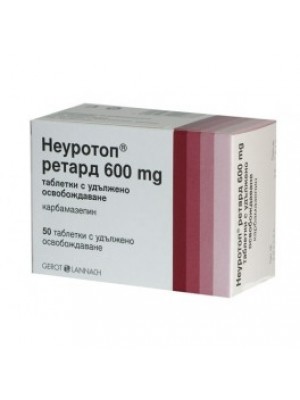
NEUROTOP retard. 600 mg. 50 tablets What's in prolonged svob..
25.00€
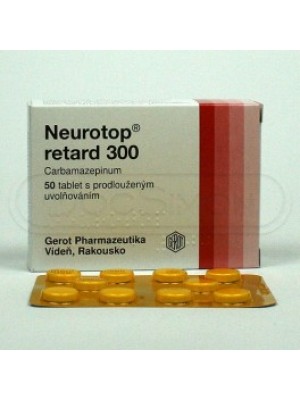
NEUROTOP Retard 300 mg. 50 tabletsWhat is Neurotop Retard 30..
18.00€