Your shopping cart is empty!
Welcome visitor you can login or create an account.
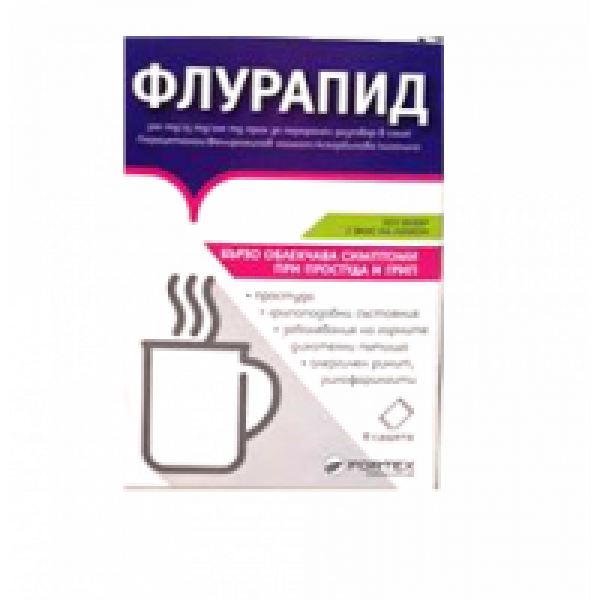
Flurapid 500 mg. 8 sachets
Product viewed: 2385


What Flurapid is and what it is used for
Flurapid contains 3 active substances: paracetamol, fenaminamine maleate and ascorbic acid and is used in adults and children over 15 years of age.
Paracetamol is a painkiller that also helps to lower the temperature;
Phenylamine maleate is an antihistamine that relieves nose and sinuses by helping you breathe more easily;
Ascorbic acid (Vitamin C) complements the natural levels of vitamin C that can decrease in viral infection or cold.
Flurapid is used for short-term relief of colds, allergic rhinitis, rhinopharyngitis and flu-like conditions in adults and children over 15 years of age: it reduces nasal discharge and soreness, sneezing, increased body temperature, headache, mild to moderate pain of different origins.
2. What you need to know before taking Flurapid
Do not take Flurapid:
If you are allergic to any of the active substances or any of the other ingredients (listed in section 6);
If you have severe liver or kidney disease;
If you suffer from any form of glaucoma (increased intraocular pressure);
If you have prostate disease;
If you are a child under 15;
If you have high blood pressure or other cardiovascular disease;
If you take other paracetamol-containing products, nose-disposing medicines or cough and cold medicine products;
If you are taking medicines known as monoamine oxidase inhibitors (MAOIs) that are commonly used to treat depression.
Warnings and precautions:
Talk to your doctor or pharmacist before taking Flurapid.
This is important because some conditions are more likely to experience side effects (see also section 4):
If you accidentally take a higher dose than necessary;
If you have severe kidney or liver disease;
If you are taking other medicines containing paracetamol;
If you have any allergies;
If you are pregnant or breast-feeding;
If you have elevated intraocular pressure;
If you have problems with the prostate;
If your symptoms last longer than 7 days;
If you have high blood pressure or heart disease.
Children
Flurapid should not be used in children under 15 years of age.
Other medicines and Flurapid
Tell your doctor or pharmacist if you are taking, have recently taken or might take any other medicines. This applies especially to:
Warfarin or other similar blood thinners;
Blood pressure control medicines such as beta-blockers;
Digoxin or other similar drugs for the treatment of cardiac diseases;
Medicines for the treatment of depression, such as tricyclic antidepressants, e.g. Amitriptyline;
If you are taking other medicines containing antihistamines or paracetamol.
Flurapid with food, beverages and alcohol
Alcohol should not be taken during treatment.
Pregnancy, breastfeeding and fertility
If you are pregnant or are breast-feeding, think you may be pregnant or are planning to become pregnant, ask your doctor or pharmacist for advice before taking this medicine.
This medicine is not recommended during pregnancy and breastfeeding unless your doctor thinks it is absolutely necessary.
Driving and using machines
People who drive or operate machinery should be aware that there is a risk of somnolence when using this medicine.
If you experience side effects such as blurred vision, dizziness or drowsiness, you should refrain from activities that require increased attention (eg driving, using machines or dangerous tools).
3. How to take Flurapid
Always take this medicine exactly as described in this leaflet or as your doctor or pharmacist has told you. If you are not sure, ask your doctor or pharmacist.
The recommended dose for adults and children over 15 years is:
1 sachet, 2 or 3 times every four to six hours. The interval between two intakes should be at least 4 hours.
Mode of application
The contents of a sachet dissolve in a cup of hot or cold water and is drunk.
For flu-like conditions, it is recommended that Flurapid be taken with hot water in the evening as soon as the first symptoms develop.
In case of acute renal failure, the interval between two intakes should be at least 8 hours.
Duration of treatment
The duration of treatment should not exceed 7 days.
Do not use this medicine for long-term treatment without consulting a doctor, especially if the symptoms last for more than 7 days.
If you have any further questions on the use of this medicine, ask your doctor or pharmacist.
If you take more Flupapid than you should
If you accidentally or deliberately take a higher dose than indicated in this leaflet, tell your doctor or pharmacist immediately.
If you forget to take Flurapid
Do not take a double dose to make up for the missed dose.
If you have any further questions about the use of this doctor
Possible side effects
Like all medicines, Flurapid can cause side effects, although not everyone gets them.
Stop taking Flurapid and talk to your doctor straight away if you get any signs of an allergic reaction or any other serious reaction.
The following side effects are possible:
Very common (may affect more than 1 in 10 people):
Reducing the number of white blood cells and platelets;
Severe hypersensitivity reaction;
Asphyxiation, difficulty in breathing.
Rare (may affect more than 1 in 1,000 people):
Skin rash, itching, redness;
Enhancement of liver enzymes;
Swelling, palpitations;
Hallucinations, nervousness;
Dry mouth, constipation, diarrhea, vomiting or abdominal pain.
Very rare (may affect more than 1 in 10,000 people):
Impaired renal function;
Allergic skin reaction;
Hepatic function impairment.
As you report side effects, you can contribute to getting more information on the safety of this medicine.
5. How to store Flurapid
Keep out of the reach and sight of children.
Do not use this medicine after the expiry date which is stated on the carton after EXP. The expiry date refers to the last day of that month.
Do not dispose of medicines in the sewers or in the household waste container. Ask your pharmacist how to dispose of medicines you no longer use. These measures will help to protect the environment.
6. Package Contents and Additional Information
What Flurapid contains
The active substances in one sachet are: paracetamol (500 mg), phenylamine maleate (25 mg) and ascorbic acid (200 mg).
Other ingredients (excipients) are: mannitol, sodium cyclamate, lemon flavor, citric acid.
What Flurapid looks like and contents of the pack
Flurapid contains powder for oral solution in a sachet.
The sachet's sachet is an almost white mixture of dust and dry agglomerates. Each box contains 8 sachets and a leaflet for the patient.
Write a review
Your Name:Your Review: Note: HTML is not translated!
Rating: Bad Good
Enter the code in the box below:
Related Products
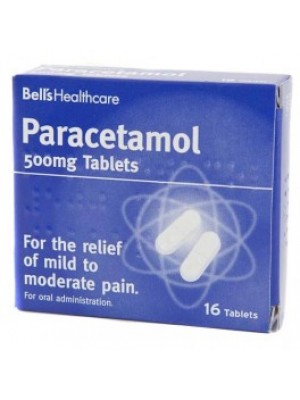
PARACETAMOL table. 500 mg. 20 tab What is Paracetamol and w..
19.00€