
Your shopping cart is empty!
Welcome visitor you can login or create an account.
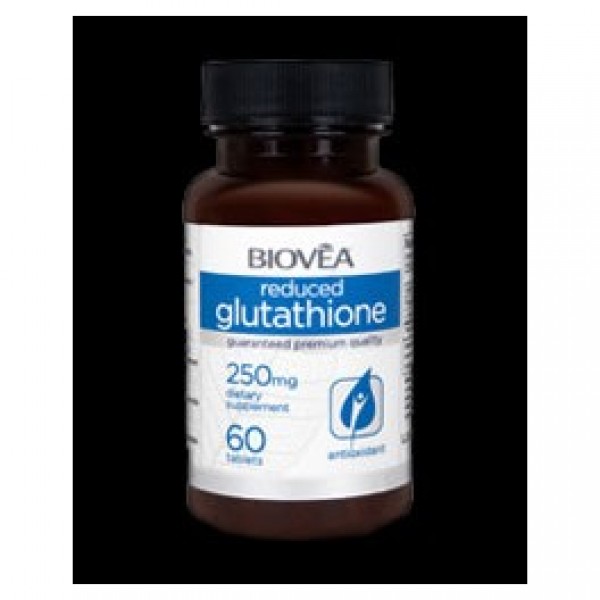
Glutathione 250 mg. 60 tablets
Product Code: Glutathione 250 mg. 60 tablets
Availability: In Stock
Product viewed: 810


Glutathione 250 mg. 60 tablets
Description:
A powerful antioxidant, protects the body from harmful substances, reduces the deleterious effects of heavy metals. Lowers blood pressure affects high blood sugar, helps with sickle cell anemic conditions. Increases sperm count.
Glutathione is produced in the human liver and plays a key role in intermediary metabolism, immune response and health. It is a small molecule composed of three amino acids: L-cysteine, L-glutamic acid and glycine. A powerful antioxidant, works in the liver to protect the body from harmful substances. Also works as a starting material for glutathione peroxidase, a key enzyme antioxidant that prevents rancidity of lipids (fats). Glutathione is a monomer that is a single protein molecule, which is sometimes called reduced glutathione. The monomer is the active form of glutathione. It is found naturally in many fruits, vegetables and meat. However, the degree of absorption of glutathione from food sources in the gastrointestinal tract is low.
Glutathione is the major antioxidant highly active in human lungs and many other organ systems and tissues. It plays a key role in protecting cells from oxidative stress and maintaining the immune system. High levels of glutathione in the blood are associated with good health in older, but not defined precise relationship between glutathione and the aging process.
The ratio of glutathione against free radicals play a key role in the maintenance of health in the cell. It also helps the reduction and the recycling of oxidized forms of other antioxidants such as ascorbate (vit. C) and alpha-tocopherol (a form of vit. E). Glutathione plays an important role in many regulatory pathways, DNA synthesis, protein synthesis, immune response and preservation of mitochondrial function.
Deficiency of glutathione:
Many oxidative stress factors can distort the levels of glutathione: UV, viral infections, environmental toxins, household chemicals, heavy metals, surgical operations, inflammation, burns, septic shock, and overuse of certain pharmaceutical products. Low levels of glutathione can also be the result of limited synthesis due to fasting. There is a growing and almost unlimited range of disease conditions associated with a deficiency of glutathione, resulting in oxidative stress, anemia, neuropathy, myopathy, liver problems, chronic lung problems, acute respiratory distress syndrome, asthma conditions, digestive and heart Vascular problems, high blood sugar, cancer complications, inflammations, seizures. Even the process of aging is associated with abnormal metabolism of glutathione.
Why use reduced glutathione?
Plays an important role in the body's defense against diseases, toxins, viruses, adverse effects of environmental radiation and oxidative stress (free radicals). Without Glutathione our liver would quickly become clogged with toxins, with the result that the authorities would not be able to perform their work, and death occurs. The level of glutathione in cells determines how long we will live. Starting at approximately the age of 20 years, the production of glutathione decreases by approximately 1% per year. But unfavorable environmental conditions and excessive use of drugs can disrupt the production of Glutathione even faster. Many scientists suggest that reducing by 30% the production of Glutathione is enough that the cells cease to function normally.
Recommended dosage: 1 tablet daily or as prescribed by your doctor.
Ingredients:
L-glutathione (reduced) 250 mg.
Calcium (calcium phosphate) 94 mg,
Phosphorus (calcium phosphate) 72 mg,
Package: 60 tablets in a container.
Write a review
Your Name:Your Review: Note: HTML is not translated!
Rating: Bad Good
Enter the code in the box below:
Related Products
L - Glutathione 500 mg. 60 capsulesIngredients:Setria L-Glut..
119.00€
L-glutathione 50 mg. 50 capsulesIngredients:in Table 1. in T..
25.00€
Resveratrol 250 mg. 60 tabletsThe most effective and best-re..
39.00€

There are hundreds of antioxidants. Some have them in abunda..
55.00€