Your shopping cart is empty!
Welcome visitor you can login or create an account.
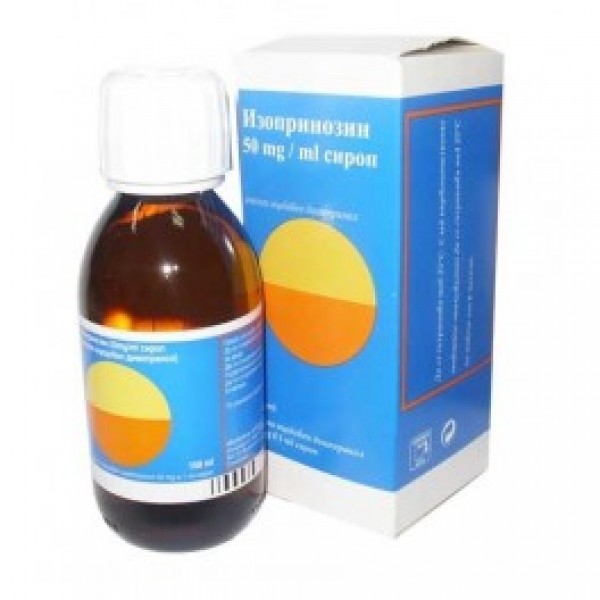
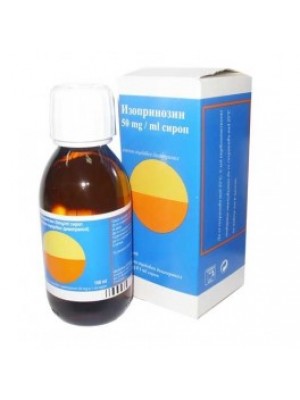
IZOPRINOZIN syrup 50 mg. / Ml. 150 ml
Product Code: IZOPRINOZIN syrup 50 mg. / Ml. 150 ml
Availability: In Stock
Product viewed: 1938


IZOPRINOZIN syrup 50 mg. / Ml. 150 ml

WHAT ISOPRINOSINE SYRUP AND WHAT IT IS USED
Isoprinosine syrup contains the active ingredient inosine atsedoben dimepranol used to treat some viral infections. It is believed that its action consists in stimulating the immune system so that it can fight off the virus.
Your doctor has prescribed Isoprinosine, to stimulate your immune system to overcome viral infections, such as:
Flu / viral respiratory infections
Repeated / recurrent genital herpes
Repeated / recurrent herpes simplex of the lips
Shingles
Aphthous stomatitis
And rubella-varicella
Measles
Mumps
Hepatitis
Genital warts and other infections caused by the human papilloma virus (HPV infection)
Other viral infections such as infectious mononucleosis (an infection caused by the virus Epstein-Barr), infection with cytomegalovirus and subacute sclerosing panencephalitis.
Before ISOPRINOSINE TAKE SYRUP
Do not take Isoprinosine syrup
If you are allergic (hypersensitive) to inosine atsedoben dimepranol or any of the other ingredients of Isoprinosine syrup (see full list of ingredients in section 6). An allergic reaction can be expressed as rash, itching, difficulty breathing or swelling of the face, lips, throat or tongue.
If you suffer from gout or have been informed that you have elevated uric acid levels.
Take special care with Isoprinosine syrup and tell your doctor.
If you have a history of gout or high uric acid levels
If you have a history of kidney stones or bladder
If you have kidney disease (to be monitored)
If you are long the treatment will have to have regular blood tests and tests of renal and liver functions.
Taking other medicines
Please tell your doctor or pharmacist if you are taking or have recently taken any other medicines, including medicines obtained without a prescription. If you are taking any of the following medications, pay special attention to their doctor because they can interact with Isoprinosine syrup:
Allopurinol, or other medicines for gout
Diuretics (water tablets)
Drugs that suppress the immune system, eg. after organ transplant
Azidotimidin (medicine to treat HIV).
However, you may be able to take Isoprinosine syrup, and your doctor will decide what is best for your condition.
Pregnancy and lactation
Do not take Isoprinosine syrup if you are pregnant or breast-feeding, unless specifically prescribed by your doctor.
Driving and operating machinery
Unlikely Isoprinosine syrup affect your ability to drive or operate machinery
Important information about some of the ingredients of the syrup Isoprinosine
Isoprinosine syrup contains methyl and propilhidrobenzoat, which can cause allergic reactions (possibly delayed).
Isoprinosine syrup contains sucrose. If you were told by your doctor that you have intolerance to some sugars, consult your doctor before taking this medicine.
How TO TAKE SYRUP ISOPRINOSINE
Always take Isoprinosine syrup exactly as your doctor has told you. If you're not sure, ask your doctor or pharmacist.
The dose depends on your weight (not fat) and the severity of your condition. The daily dose should be divided equally during hours of wakefulness.
Adults and elderly
The usual daily dose is 50 mg / kg (body weight) up to 4 g daily inosine atsedoben dimepranol (usually 4 measuring spoons, three to four times a day).
One scoop (5 ml) of syrup contains 250 mg Isoprinosine.
Children over 1 year of age.
The usual dose is 50 mg / kg body weight or saptvetstvie the table below
The duration of treatment depends on your response to treatment.
If you take more than the amount of syrup Isoprinosine
So far, no cases of overdose. If you are unsure about something or feel unwell, contact your doctor as soon as possible.
If you forget to take Isoprinosine syrup
If you miss a dose, take it as soon as you remember unless it is almost time for your next dose. Do not take a double dose to make up for a missed dose.
If you stop taking Isoprinosine syrup
If you stop treatment, the desired effect is not achieved or the symptoms may worsen again. Consult with your doctor before stopping treatment.
If you have any further questions on the use of this product, ask your doctor or pharmacist.
SIDE EFFECTS
Like all medicines, Isoprinosine can cause side effects, although not everybody gets them.
All medicines can cause allergic reactions although serious allergic reactions are very rare.
Tell your doctor immediately if you experience:
sudden wheezing / wheezing,
difficulty in breathing
swelling of eyelids, face or lips,
rash or itching (especially affecting the whole body).
Reported the following adverse reactions:
temporarily elevated levels of uric acid in the blood
elevated liver enzymes and urea (a waste product) in the blood - they can be detected by a blood test by your doctor
nausea with or without vomiting
stomach pain
itching,
skin rash (self)
headache,
dizziness (vertigo)
fatigue or feeling sick,
joint pain
diarrhea
constipation
nervousness,
drowsiness or impossible to sleep (insomnia)
excessive urine.
If any of the side effects gets serious, or you notice other effects not listed in this leaflet, please tell your doctor or pharmacist.
STORE ISOPRINOSINE SYRUP
Keep out of reach of children.
Store below 25 ° C. Do not use syrup Isoprinosine longer than 6 months after first opening.
Do not use after the expiry date stated on the carton. The expiry date refers to the last day of that month.
Medicines should not be disposed of via wastewater or household waste. Ask your pharmacist how to dispose of medicines no longer required. These measures will help to protect the environment.
INFORMATION
What Isoprinosine syrup
The active substance is inosine atsedoben dimepranol, 250 mg / 5 ml. The other ingredients are:
sucrose, methylparaben, propylparaben, sodium hydroxide, flavor (kind of dry white blends from Alsace), purified water, sodium dihydrogen citrate.
Isoprinosine syrup looks like and contents of pack
Isoprinosine syrup is supplied in amber glass bottles containing 150 ml of syrup packed in cardboard boxes with a patient information leaflet.
Write a review
Your Name:Your Review: Note: HTML is not translated!
Rating: Bad Good
Enter the code in the box below:
Related Products
Isoprinosine syrup 50 mg. / Ml. 150 ml. WHAT ISOPRINOSINE ..
39.00€