Your shopping cart is empty!
Welcome visitor you can login or create an account.
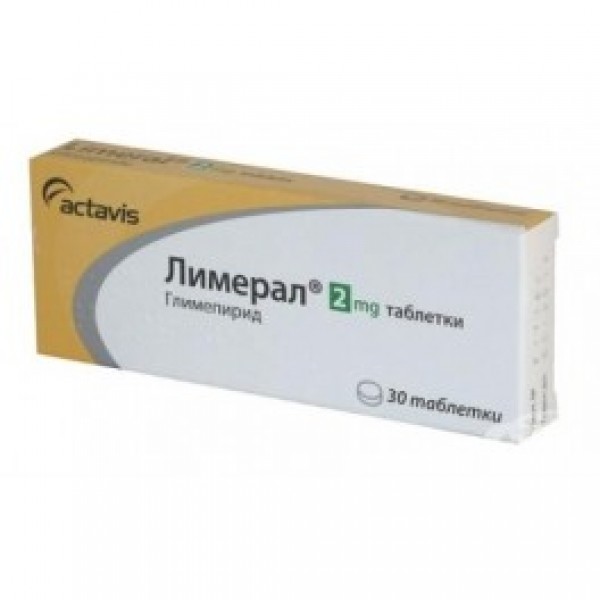
LIMERAL 2mg. 30 tablets
Product Code: LIMERAL 2mg. 30 tablets
Availability: In Stock
Product viewed: 1196


LIMERAL 2mg. 30 tablets
Limeral tablets 2 mg. Glimepiride
Active substance in one tablet: A tablet Limeral 2 mg contains glimepiride 2 mg;
Excipients: lactose monohydrate, microcrystalline cellulose, sodium starch glycolate, povidone K29-K32, magnesium stearate, coloring agent (tablets 1, 2 and 3 mg contain E 172 4 mg tablet contain E 132 atezi of 2 mg E 102 E 133 and E 110) .Limeral is available in packs of 30 tablets.
1. WHAT LIMERAL AND WHAT IT IS USED
Limeral is a medicinal product of the so-called oral hypoglycaemic agents (used to control blood sugar levels in non-insulin dependent diabetes mellitus) .Limeral used to treat non-insulin dependent diabetes mellitus (type II), when you can not achieve a sufficient effect only through diet, exercise and weight reduction.
2. WHAT YOU NEED TO KNOW BEFORE LIMERAL
Limeral not apply to:
• Allergy to glimepiride, to other similar medicines (eg. Sulphonylureas or sulfonamide antibiotics) or to any of the excipients.
• Insulin-dependent diabetes, diabetic ketoacidosis (a condition of abnormal acidic condition of the blood) and diabetic coma.
• Severe impaired kidney and liver function.
• Pregnancy and lactation.
In the application of this product, please note the following:
Limeral should be taken immediately before or during a meal. At irregular diet or skip any meals Limeral treatment can lead to hypoglycaemia (low blood sugar below normal). Possible symptoms of hypoglycaemia include headache, overpowering hunger, nausea, vomiting, tiredness, sleepiness, sleep disturbances, restlessness, aggressiveness, poor concentration, alertness and reaction time, depression, confusion, speech and visual disorders, tremor, paresis, sensory disturbances , dizziness, helplessness, loss of consciousness, including coma, shallow breathing and weak pulse.
At the same time can be observed contrary symptoms as a result of feedback regulation, such as sweating, clammy skin, anxiety, palpitations, irregular heartbeat, high blood pressure, angina attacks.
The clinical symptoms of a severe hypoglycaemic attack may resemble insult.Simptomite of hypoglycaemia usually can be quickly controlled by immediate intake of carbohydrates (sugar and sugar products). Artificial sweeteners, substitutes for refined sugar are without efekt.Tryabva be borne in mind that although initially achieved positive effect, hypoglycaemia can povtori.Tezhkata or prolonged hypoglycemia managed only partially by means of oral sugar, requires immediate treatment preferably in a hospital setting.
Factors facilitating development of hypoglycemia: Unwillingness or, in elderly patients, inability to cooperate;
Malnutrition, irregular eating hours or skipping meals, as well as periods of abstinence from food intake; Disorders dietary regimen;
Poor balance between physical exercise and carbohydrate intake;
Drinking alcohol, especially in combination with irregular eating; Impaired renal function;
Overdose of Limeral
Uncompensated endocrine system (eg certain disorders of thyroid function and in anterior pituitary or adrenocorticoid failure);
Coadministration of some medicines (see Taking other medicines).
Limeral treatment requires regular monitoring of blood sugar and sugar in the urine. It is recommended and periodic monitoring of glycosylated hemoglobin (long-term indicator of the level of blood sugar regulation) .Po during therapy Limeral require regular monitoring of liver function and certain blood indicators (leukocytes and platelets).
In stressful situations (injuries, surgery, infections, high temperature conditions, etc.) May need temporary switch therapy insulin.Pri patients with significant renal or hepatic function shown switch to insulin treatment.
Application of Limeral and intake of foods and drinks:
To achieve successful treatment of diabetes, is essential Keeping appropriate diet (prescribed by the doctor or endocrinologist) and regular physical activity. Treatment can be effective for non-recommended diet.
pregnancy
Before taking any medicine, consult your doctor or farmatsevt.Limeral is contraindicated during pregnancy. In case of pregnancy should be switched to insulin treatment. Patients who intend to become pregnant should inform their lekar.Predi intake of any medicine, consult your doctor or pharmacist.
breastfeeding
Limeral and other sulfonylurea derivatives pass into breast milk. Therefore Limeral should not be used during breastfeeding.
Driving and using machines
The ability to concentrate and react may be impaired due to hypoglycemia or hyperglycemia (high blood sugar levels), such as visual disturbances. This may constitute a risk in situations where these abilities are of particular importance, such as driving and using mashini.Neobhodimo to take precautions to avoid hypoglycaemia during these activities. This particularly applies to people with reduced or absent awareness of the warning symptoms of hypoglycaemia or have frequent episodes of hypoglycaemia. It should thoroughly consider the ability to drive or operate mashini.Vazhna information about some of the ingredients of LimeralTozi medicinal product contains lactose as an excipient, which makes it unsuitable for patients with lactase intolerance.
Taking other medicines:
Please tell your lekuvagts doctor or pharmacist if you are taking or have recently taken any other medicines, even if they have not been prescribed by your lekar.Pri concomitantly with fluconazole, plasma concentrations of glimepiride increased almost twofold.
Some medicines may enhance blood glucose lowering effect of glimepiride and cause hypoglycaemia (phenylbutazone, azapropazon, oxyphenbutazone, sulfinpyrazone, .insulin, oral hypoglycaemic agents, long acting sulphonamides, metformin, tetracyclines, salicylates, p-amino salicylic acid MAO inhibitors, anabolic steroids, the male sex hormones, quinolone antibiotics hloramfenikol1, probenecid, coumarin anticoagulants miconazole, fenfluramine, pentoxifylline, fibrates, titokvalin, ACE inhibitors, fluconazole, fluoxetine, allopurinol, sympatholytic, sympatholytic, phosphamides).
Other drugs can counteract the blood glucose lowering effect of glimepiride and cause in some cases the development of hyperglycemia (estrogen, prostaglandin, saluretitsi, thiazide diuretics, glucocorticoids, phenothiazine derivatives, chlorpromazine, adrenaline, simpatikomimegitsi, nicotinic acid / high dose / , nicotinic acid derivatives, laxatives / prolonged use /, phenytoin, diazoxide, glucagon, barbiturates, rifampicin, atsetozolamid).
H2 antagonists, p-blockers, clonidine and reserpine may lead to either strengthen or weaken the hypoglycaemic effect of glimepirid.Pod influence of (3-blockers, clonidine, guanethidine and reserpine, can be camouflaged signs of developing hypoglycemia .Konsumatsiyata alcohol can in an unpredictable way to strengthen or weaken the hypoglycaemic effect of glimepirid.Glimepirid can strengthen or weaken the effects of coumarin derivatives (medicines inhibiting blood clotting).
3. HOW TO TAKE LIMERAL
Always Limeral as instructed by your doctor. To achieve successful treatment of diabetes, a mandatory condition is observing the proper diet, regular physical activity and regular monitoring of sugar content in blood and urine. Treatment can be effective for non-recommended diet. The dosage is determined by the results of sugar in the blood and urine.
Limeral starting dose is 1 mg daily. If achieve better control of blood sugar, this dose continues to be used as a supporting terapiya.Ako control is unsatisfactory, the dose should be increased stepwise at an interval of 1 to 2 weeks, up to a daily dose of 2, 3 or 4 mg Limeral according to the degree of glycemic control. Doses above 4 mg daily Limeral give better results only in exceptional cases. The maximum recommended daily dose is 6 mg Limeral day.
Patients who did not achieve good blood sugar control with maximum doses of metformin can be initiated concomitant Limeral. The dose of metformin should remain the same, the glimepiride therapy should start with a low dose and gradually increased to achieve the desired level of metabolic control or the maximum allowable daily dose. Combination therapy should be initiated under close medical supervision.
If a patient is not adequately controlled with the maximum daily dose Limeral can start concomitant treatment with insulin. While maintaining the dose of Limeral, insulin treatment is started at low dose and gradually increased to achieve adequate metabolic control. Combination therapy should be initiated under close medical supervision.
Normally, a single daily dose Limeral enough. It is recommended that this dose be taken shortly before or during the morning meal, or failing that, immediately before or during the first main meal of the day. The tablets should be swallowed whole with a technost.Ako background therapy Limeral 1 mg daily is a hypoglycaemic reaction, it means that blood sugar control can be achieved only with dieta.V course of treatment needs can Limeral reduced because an improvement in control of diabetes is associated with higher insulin sensitivity. To avoid hypoglycemic events was appropriate dose reduction or discontinuation. Dose adjustments may be necessary, if there are changes in weight or lifestyle of the patient, or if other factors that increase the risk of hypo- or hiperglikemiya.Preminavane treatment with other oral hypoglycaemic agents to treatment with LimeralVazmozhno is passing other hypoglycemic agents to Limeral. When switching to Limeral must take account of the strength and time of broadcast of the previous drugs! some cases (eg. in antidiabetics such as chlorpropamide) has recommended a washout period of several days in order to minimize the risk of hypoglycaemic reactions due to the additive effect.
The recommended starting dose is 1 mg Limeral day. According to the achieved effect, the dose may be increased stepwise as described previously.
Switching from insulin therapy to Limeral In exceptional cases, where patients with type II diabetes are treated with insulin, may be indicated for transition to "Limeral. The change must be done under strict medical kontrol.Tozi product is not recommended for children. their safety and efficacy have not been established.
If you have the impression that the effect of the application of the polymer is a strong or too weak, talk to your doctor or pharmacist.
If you have used more than the prescribed dose Limeral:
When taking a higher dose than prescribed, immediately contact a doctor!
Following administration of a greater amount of hypoglycaemia may occur for a duration of 12 to 72 hours, which may be repeated after the initial master. Symptoms may not appear until 24 hours after taking the drug. May occur nausea, vomiting, abdominal pain and neurological symptoms like restlessness, tremor, visual disturbances, impaired coordination, sleepiness, convulsions, coma. It is recommended that hospital observation and treatment. It consists mainly of preventing absorption by inducing vomiting, administration of activated charcoal and sodium sulphate. If it is accepted a large amount is shown gastric lavage, followed by charcoal and sodium sulfate. In cases of significant overdosage hospitalization in intensive care unit. Maximum speed should begin intravenous glucose under strict monitoring of blood sugar. Further treatment is symptomatic.
In cases of hypoglycemia, the result of accidental intake of glimepiride in infants and young children, the dose of glucose must be monitored carefully to avoid the development of dangerous hyperglycemia. This requires strict control of blood sugar levels.
children:
If symptoms of overdose, immediately contact a doctor!
If you forget to use Limeral
If a dose is missed, it can not be corrected by increasing the next dose.
4. POSSIBLE SIDE EFFECTS
Like all medicines, Limeral can cause adverse reaktsii.Pri treatment with glimepiride are possible following side effects: Allergic reaktsiiV very rare cases mild hypersensitivity reactions may develop into serious reactions with dyspnoea, fall in blood pressure and sometimes shock . In very rare cases may develop allergic vaskulit.Vazmozhni Cross allergenicity with sulfonylureas, sulfonamides or related substances.
haematological reactions
They are rare, and generally are reversible after discontinuation. It may experience changes in blood composition, related mainly to lower number of one or more cell lines (thrombocytopenia, leukopenia, erythrocytopenia, granulocytopenia, agranulocytosis, hemolytic anemia, pancytopenia).
metabolic reactions
In rare cases, after taking glimepiride can occur hypoglycemic reactions. Most often these reactions occur suddenly and can be severe and not always easy to be adjusted. The occurrence of such reactions depends on individual factors, diet and dosage.
eye reactions
Mostly at the beginning of treatment may occur transient visual disturbances due to changes in blood sugar levels.
ReaktsiiOplakvaniya gastrointestinal, such as nausea, vomiting, diarrhea, pressure or a feeling of fullness in the stomach and abdominal pain are very rare and seldom lead to discontinuation of treatment.
Zhlychno-hepatic reactions
Can occur elevations in liver enzymes. In very rare cases it may be impaired hepatic function (eg. Biliary and jaundice) and hepatitis which may progress to liver failure.
skin reactions
Possible allergic reactions, such as itching, redness, rash. In very rare cases, photosensitivity occurs.
laboratory abnormalities
In very rare cases it is possible to decrease in the sodium serum kontsentratsiya.Ako notice any side effects not listed in this leaflet, please tell your doctor or pharmacist.
5. Storage
Keep out of reach of children. At temperatures below 30 ° S.Da not use after the expiry date stated on the package! Shelf life: three (3) years from date of manufacture.
Write a review
Your Name:Your Review: Note: HTML is not translated!
Rating: Bad Good
Enter the code in the box below:
Related Products