
Your shopping cart is empty!
Welcome visitor you can login or create an account.
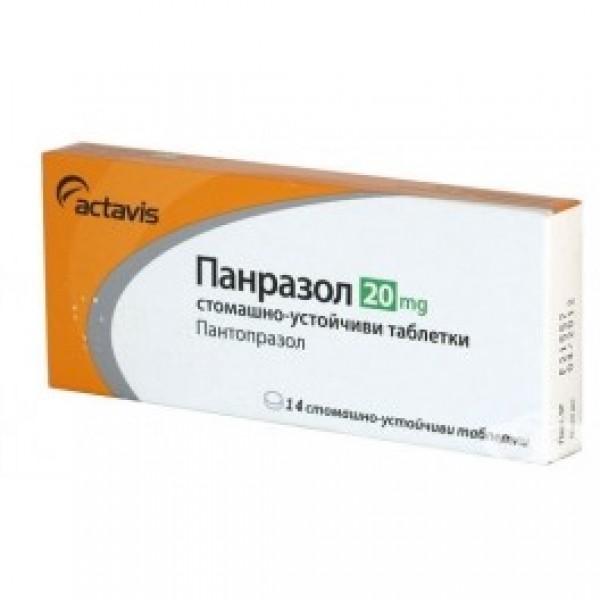
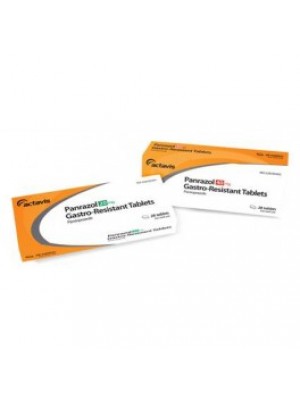
PANRAZOL table. 20 mg
Product Code: PANRAZOL table. 20 mg
Availability: In Stock
Product viewed: 1386


PANRAZOL table. 20 mg

PANRAZOL WHAT IS AND WHAT IT IS USED
Panrazol belongs to drugs called proton pump inhibitors. Reduces the formation of hydrochloric acid in the stomach, inhibiting the release of certain enzymes in cells of the gastric mucosa. Favorable influence burning, pain, and other symptoms accompanying many diseases of the esophagus and stomach.
Treatment of mild gastro-oesophageal reflex and related symptoms
Prevention of gastroduodenal ulcers induced by non-steroidal anti-inflammatory drugs in patients at risk, requiring treatment with NSAIDs
WHAT YOU NEED TO KNOW BEFORE TREATMENT WITH PANRAZOL
Panrazol not apply in case of hypersensitivity to the active substance or excipients. Panrazol and other PPIs should not be administered with atazanavir
In this medicinal product, please note the following:
In patients with severe hepatic impairment during treatment must be monitored regularly enzymes, especially in a longer course of treatment. With increased levels of enzymes taking the product should be discontinued.
Panrazol as all anti secretory drugs can reduce absorption of vitamin B12 due to decreased or absent levels of chloride ions in the gastric mucus. This should be considered during long-term treatment of patients with reduced stores or risk factors for reduced absorption of vitamin B12
Before beginning treatment with Panrazol to exclude the presence of malignant disease of the esophagus or stomach as treatment products can alleviate the symptoms of malignant disease and delay its diagnosis.
Pregnancy and lactation:
Before taking on any medicines, check with your doctor.
Clinical experience with Panrazol in pregnant women is limited. In experimental animals, a slight fetal toxicity at doses greater than 5 mg / kg.
No information on product secretion in human milk.
During pregnancy and lactation Panrazol should be used only when the benefits to the mother outweighs the potential risk to the fetus or nursing.
Driving and using machines:
There are no known effects on the ability to drive and use machines.
HOW TO USE PANRAZOL?
Adults and adolescents over 12 years:
Treatment of mild gastro esophageal reflex and related symptoms;
The recommended oral dosage is one gastro-resistant tablet Panrazol 20 mg per day. Relief of symptoms was achieved after 2 weeks. If that is not enough, you need to contact your doctor.
Adults:
Prevention of gastroduodenal ulcers induced by non-steroidal anti-inflammatory drugs in patients at risk requiring treatment with NSAIDs. The duration of treatment is not more than 14 days.
Children under 12 years:
Panrazol not recommended for use in children below 12 years due to limited data in this age group.
Note:
In patients with severe hepatic impairment, the daily dose should not exceed 20 mg.
In patients with impaired renal function and the elderly do not need dose adjustment.
POSSIBLE SIDE EFFECTS:
General disorders and injuries:
Common - epigastric pain, diarrhea, constipation, bloating
Very rare - swelling of the ankles and wrists
Liver and biliary tract:
Very rare - Severe hepatocellular damage leading to jaundice and liver failure or without
Immune System:
Very rare - anaphylactic reactions, including. anaphylactic shock
Clinical laboratory tests and other tests:
Very rare - Increased levels of liver enzymes, increased triglycerides, increased body temperature, resolved after treatment
Musculoskeletal and connective tissue disorders:
Very rare - muscle pain subsided after treatment
Nervous system:
Common - Headache
Rare - dizziness, visual disturbances
Mental disorders:
Very rare - Depression subsided after treatment
Genitourinary System:
Very rare - Interstitial nephritis
Skin and subcutaneous tissue disorders:
Rare - Allergic reactions like itching and skin rashes
Very rare - hives, swelling of the skin and mucous membranes.
ADDITIONAL INFORMATION
What Panrazol?
Active substance: Panrazol
Each 20 mg gastro-resistant tablet contains 22.58 mg Panrazol sodium sesquihydrate equivalent to 20 mg Panrazol.
Other ingredients: tablet core: mannitol, sodium carbonate, sodium starch glycolate, a copolymer of methacrylic acid, calcium stearate;
tablet coating: hypromellose, titanium dioxide, talc, macrogol 400, sodium lauryl sulfate, a copolymer of methacrylic acid - ethyl acrylate, 30% dispersion, propylene glycol, yellow iron oxide
Write a review
Your Name:Your Review: Note: HTML is not translated!
Rating: Bad Good
Enter the code in the box below:
Related Products
PULSET table. 40 mg. 28 tablets PULSET WHAT IS AND WHAT IT I..
15.00€
PANRAZOL CONTROL 20 mg. 14 tabletsWhat is Panrazol control a..
16.00€