Your shopping cart is empty!
Welcome visitor you can login or create an account.
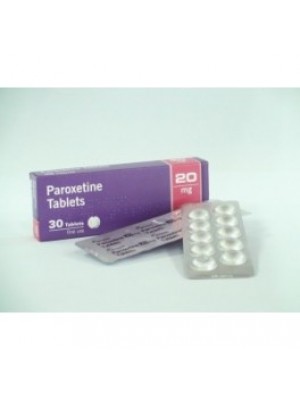
PARIX 40 mg. 30 tablets
Product Code: PARIX 40 mg. 30 tablets
Availability: In Stock

Product viewed: 2047


PARIX 40 mg. 30 tablets
What is Parix and what it is used
Parix be used for the treatment of adults suffering from depression and / or anxiety disorder. Paroxetine is administered as a treatment at the following anxiety disorders: obsessive-compulsive disorder (recurrent intrusive thoughts with uncontrollable behavior); panic disorder (panic attacks, including those that occur in agoraphobia, which is fear of open spaces); Social Anxiety Disorder / Social Phobia (fear or avoidance of situations involving communication or stay in the community); PTSD (anxiety caused by a traumatic event) and generalized anxiety disorder (common severe anxiety or nervousness).
Paroxetine belongs to a class of drugs called selective serotonin reuptake of serotonin (SSRIs). Everyone has in their brain chemical called serotonin. People who are depressed or suffering from anxiety have lower serotonin levels than others. It is not fully understood how paroxetine and other SSRIs, but it is possible their action causes an increase in serotonin levels in the brain. Treating your depression or anxiety disorder is important to help you feel better.
2. What you need to know before taking Parix
Do not take Parix:
If you are taking or have taken within the last two weeks of medicines called monoamine oxidase inhibitors (MAOIs, including moclobemide and methylene chloride (methylene blue)). Your doctor will advise you to start taking Pariks after you stop taking MAOIs;
If you are taking antipsychotic medicines containing thioridazine, or pimozide;
If you are allergic to paroxetine or any of the other ingredients of this medicine (listed in section 6).
If any of these apply to you, tell your doctor before taking Pariks.
Warnings and Precautions
Talk to your doctor or pharmacist before taking Parix if you:
Taking any other medicines (see section "Other medicines and Pariks");
Suffer from kidney, liver or heart problems;
Suffer from epilepsy or have a history of seizures or convulsions;
Ever had episodes of mania (overactive behavior or thoughts);
Are subjected to electroconvulsive therapy (ECT);
Have a history of bleeding disorders or are taking other medicines that may increase the risk of bleeding (drugs blood thinners such as warfarin, antipsychotics such as perphenazine or clozapine, tricyclic antidepressants, protivobolkovi and anti-inflammatory medicines called NSAIDs (nonsteroidal anti-inflammatory drugs) such as acetylsalicylic acid, ibuprofen, celecoxib, etodolac, diclofenac, meloxicam);
Taking tamoxifen for treating breast cancer. Paroxetine can reduce the effect of tamoxifen and your doctor may recommend taking other antidepressants;
Have diabetes;
You are on a diet with restricted intake of sodium;
Suffer from glaucoma (increased eye pressure);
Are pregnant or planning to become pregnant (see "Pregnancy and breastfeeding");
You are under 18 years (see "Children and adolescents under the age of 18 years").
If any of these apply to you and you have not discussed this with your doctor in advance, ask your doctor again and ask whether you should take Pariks.
Children and adolescents under the age of 18 years
Usually, paroxetine should not be used in children and adolescents under the age of 18 years. In addition, you should be aware that in patients under the age of 18 have an increased risk of side effects such as suicide attempts, suicidal thoughts and hostility (mainly aggression, oppositional behavior and anger) when they take this class of drugs. However, your doctor may decide to prescribe Pariks patients under 18 years of age if he / she decides that this is in their best interest. If your doctor has prescribed Pariks a patient under the age of 18 and you want to discuss this, please contact your doctor. You should tell your doctor if you notice new or worsening any of the symptoms listed above when patients under 18 years of age receive Pariks. In addition, long-term safety for the growth, maturation and cognitive and behavioral development of Pariks in this age group have not been established.
In studies of paroxetine in patients under the age of 18 common side effects affecting less than 1 in 10 children / adolescents were: increased suicidal thoughts and attempts, deliberately harming themselves, hostile, aggressive or hostile behavior, lack of appetite , tremors, abnormal sweating, hyperactivity (excessive vigor), anxiety, emotional changes (including crying and mood swings). These studies also show that the same symptoms have been observed in children and adolescents who received placebo (inactive substance) instead of paroxetine, but they were seen less frequently.
Some patients in studies in people under the age of 18 symptoms of withdrawal upon discontinuation of paroxetine. These symptoms are similar to those observed in adults following discontinuation of treatment with paroxetine (see section 3 "How to take Pariks"). In addition, patients under 18 years of age often (affected less than 1 in 10 patients) experienced abdominal pain, nervousness and emotional changes (including crying, mood swings, attempted self-harm, thoughts and suicide attempts).
Suicidal thoughts or worsening of your depression or anxiety disorder
If you suffer from depression and / or anxiety disorder can sometimes have thoughts of harming or killing yourself. These may be increased when you first start taking antidepressants, since these drugs need time to start running, usually about two weeks, and sometimes longer.
You may be more likely to think like this if:
Once you have previously had thoughts of harming or killing yourself;
If you are young. Information from clinical trials showed an increased risk of suicidal behavior in people under the age of 25 years with psychiatric conditions who were treated with antidepressants.
If you have thoughts of harming or killing yourself at any time, contact your doctor or visit the nearest hospital immediately.
You may find it helpful to tell a relative or close friend that you are suffering from depression or anxiety disorder, and ask them to read this leaflet. You might ask them to tell you if they think your depression or anxiety disorder worsen, or if you are worried about changes in your behavior.
Important side effects observed with the use of Parix
Some patients taking Parix develop a condition called akathisia, where they feel restless and unable to sit quietly sitting or standing. Other patients may develop so-called. serotonin syndrome. It shall monitor some or all of the following symptoms: confusion, restlessness, tremors, numbness, hallucinations (seeing or hearing things that are not real), sudden convulsions, muscle or rapid heart rhythm. If you notice any of these symptoms, contact your doctor. For more information on these and other side effects from the use of Parix see section 4 "Possible side effects".
Other medicines and Parix
Tell your doctor or pharmacist if you are taking, you have recently taken or might take any other medicines.
Some medicines can affect the way Pariks or increase the risk of side effects. Pariks may also affect the way other medicines. These include:
Medicines called monoaminooksndazni inhibitors (MAOIs, including moclobemide and methylene chloride (methylene blue)) - see section "Do not take Pariks"
Thioridazine, or pimozide, which are anti-psychotics - see "Do not take Pariks"
Acetylsalicylic acid, ibuprofen or other medicines called NSAIDs (nonsteroidal anti-inflammatory drugs) like celecoxib, etodolac, diclofenac and meloxicam, used for pain and inflammation;
Tramadol and pethidine, which have pain relief;
Medicines called triptans, such as sumatriptan, used for migraine;
Other antidepressants, including other selective inhibitors of serotonin reuptake as clomipramine, nortriptyline and desipramine;
Dietary supplement called tryptophan;
Drugs such as lithium, risperidone, perphenazine, clozapine (called anti-psychotics), which are used for the treatment of certain mental illnesses;
A combination of ritonavir and fosamprenavir used to treat human immunodeficiency virus (HIV);
St. John's Wort - a herbal product used to treat depression;
Fentanyl, used in anesthesia or chronic pain;
Phenobarbital, phenytoin, sodium valproate or carbamazepine, used to treat epilepsy and seizures;
Atomoxetine, a drug used to treat HRNV (hyperactivity disorder attention deficit disorder);
Procyclidine, used to relieve tremor, mainly in Parkinson's disease;
Warfarin or other anticoagulants - medicines to thin the blood;
Propafenone, flecainide and medicines used to treat irregular heartbeat;
Metoprolol, a beta-blocker used to treat high blood pressure and heart disease;
Pravastatin, used to treat high cholesterol;
Rifampicin, used to treat tuberculosis and leprosy;
Linezolid - an antibiotic;
Tamoxifen, used to treat breast cancer.
If you are not sure if any of the above applies to you, talk to a doctor or pharmacist before taking Parix.
Parix with food and drink
You should avoid alcohol while taking Parix. Drinking alcohol can lead to worsening of your condition or adverse reactions.
If you take Parix morning feeding, the risk of nausea can be reduced.
Pregnancy, lactation and fertility
If you are pregnant or breast-feeding, you think you may be pregnant or planning to become pregnant, ask your doctor or pharmacist before taking this medicine. An increased risk of birth defects, particularly cardiac disorders in children whose mothers took paroxetine during the first months of pregnancy. In the general population about 1 in 100 babies is born with a heart defect. The risk is higher for babies whose mothers took paroxetine - 2 100 babies.
You and your doctor will decide whether it is better to switch to another treatment or should gradually stop taking Parix during pregnancy. Depending on the circumstances, your doctor may decide that continued treatment with Pariks is better for you.
Make sure your midwife and / or doctor knows you are taking Pariks. When taken during pregnancy, especially during the last trimester, drugs such as paroxetine may increase the risk of serious damage to the baby, called persistent pulmonary hypertension of the newborn (PBHN), causing shortness of breath and redness in the baby. These symptoms usually occur within the first 24 hours after birth. If they occur in your baby, you should contact your midwife and / or doctor immediately.
These symptoms include:
Breathing problems;
Bluish skin or elevated or reduced temperature;
Bluish lips;
Vomiting or difficulty in eating;
Extreme tiredness, trouble sleeping or constant crying;
Stiff or floppy muscles;
Tremor, anxiety or seizures (convulsions).
If your child experiences any of these symptoms after birth or worry about the health of your child, contact your doctor or your midwife for advice.
Pariks is excreted in small amounts in breast milk. If you take Parix, contact your doctor before breast-feeding. You and your doctor will decide whether you can breast-feed while taking Parix.
In animal studies, it was shown that paroxetine quality of sperm. Theoretically, this fact can also affect fertility, but so far there was no effect on fertility in humans.
Driving and using machines
Possible side effects from the use of Parix include dizziness, confusion, drowsiness or blurred vision. If any of these side effects should not drive or operate machinery.
3. How to take Parix
Always take this medicine exactly as your doctor has told you. If you're not sure, ask your doctor or pharmacist.
Initial dose Recommended daily dose Maximum daily dose
Depression 20 mg 20 mg 50 mg
OCD 20 mg 40 mg 60 mg
Panic disorder of 10 mg 40 mg of 60 mg of
Social anxiety disorder 20 mg of 20 mg, 50 mg
PTSD of 20 mg 20 mg, 50 mg
GAD 20 mg of 20 mg, 50 mg
Your doctor will advise you with what dose is best to start treatment.
Most people start to feel better about two weeks after starting treatment. If you do not notice improvement after this period of time, ask your doctor for advice. Your doctor may decide to increase your dose gradually to 10 mg up to the maximum daily dose.
Take Parix morning with food.
Swallow the tablet whole with a glass of water. Do not chew the tablet.
Your doctor will tell you for how long it will take Pariks. You can take the drug for months or longer.
Elderly
The maximum dose for patients aged over 65 years is 40 mg daily.
Patients with liver and kidney disease
If you suffer from liver or kidney problems, your doctor may decide to lower the dose Pariks you eat to less than usually recommended.
If you take more than the amount Parix
Never take a higher dose Parix than that prescribed by your doctor.
If you (or anyone else) have taken more of the drug, please contact your doctor or visit the nearest hospital immediately. Show them the medicine pack. If you take too much Pariks but the side effects listed in section 4 "Possible side effects" may have the following symptoms: fever, uncontrollable muscle contraction.
If you forget to take Parix
Take Pariks at the same time each day.
If you miss a dose and you remember it before going to bed in the evening, take the dose immediately. Take your next dose at the usual time the next day.
If you remember at night or in the next day, skip the missed dose and do not take an extra dose. Take your next dose at the usual time. You may feel withdrawal symptoms, but they disappear after the next dose.
If you do not feel better
Pariks will not relieve your symptoms immediately. All antidepressants need time to AFFF. Some patients experienced improvement after a few weeks, while others need more time. If you do not feel better after a few weeks, contact your doctor for advice. Your doctor will schedule a re-examination a few weeks after starting treatment. Tell your doctor if you notice any improvement.
If you stop taking Parix
Do not stop taking Parix until your doctor tells you to.
When you stop taking Parix Your doctor will help you slowly lower your dose over several weeks or months to reduce the risk of occurrence of withdrawal symptoms. One way to do this is to decrease the dose step-c of 10 mg per week. For most people, withdrawal symptoms are mild to moderate and disappear on their own within two weeks. In some patients, these symptoms may be more severe or prolonged.
If you experience withdrawal symptoms when you stop treatment, your doctor may recommend that you discontinue treatment more smoothly. Contact your doctor if you experience severe withdrawal symptoms. Your doctor may advise you to start taking Parix again and then stop treatment more slowly. Even if you feel symptoms of withdrawal may discontinue Parix.
Withdrawal symptoms that may occur when stopping treatment
According to studies 3 of 10 patients experiencing one or more withdrawal symptoms when treatment is discontinued. Certain symptoms are more common than others.
Common side effects (affects 1 to 10 patients in 100):
Feeling of dizziness, instability and fragility;
Numbness, burning sensation, and (more rarely) sensation like an electric shock, including the head;
Buzzing, hissing, whistling, ringing or other persistent noise in the ears (tinnitus);
Sleep disturbances (vivid dreams, nightmares, inability to sleep);
anxiety;
Headache.
Uncommon side effects (affects 1 to 10 patients in 1000):
nausea;
Sweating (including night sweats)
Restlessness or agitation;
Tremor (shaking);
Confusion or disorientation;
diarrhea;
Censes emotionalism or irritability;
Visual disturbances;
Fast heart beat (palpitations).
Please contact your doctor if you are worried about withdrawal symptoms when discontinuing treatment with Pariks.
If you have any further questions on the use of this medicine, ask your doctor or pharmacist.
4. Possible side effects
Like all medicines, this medicine can cause side effects, although not everybody gets them. These side effects are more likely in the first few weeks of treatment.
If any of these side effects during treatment, immediately contact your doctor. You may need to visit the hospital.
Uncommon (may affect up to 1 in 100 people):
If you notice unusual bruising or bleeding, including vomiting blood or bloody stools, immediately contact your doctor or visit the nearest hospital;
If you experience difficulty in urination, immediately contact your doctor or visit the nearest hospital.
Rare (may affect up I of 1000):
If you get convulsions (seizures), immediately contact your doctor or visit the nearest hospital;
If you feel nervous or you feel that you are unable to stand or sit quietly, you may suffer from a condition called akathisia. Dose escalation may aggravate these symptoms. Contact your doctor if you experience these symptoms;
If you feel fatigue, weakness or confusion and pain, numbness or incoordination of the muscles may of sodium in your blood is reduced. Contact your doctor if you experience these symptoms.
Very rare (may affect up to 1 in 10,000 people):
Allergic reactions to Pariks, which can be serious. If you get a red and lumpy skin rash, swelling of the eyelids, face, lips, mouth or tongue, itching or difficulty breathing (dyspnea) or swallowing, or feel weakness and dizziness leading to fainting or loss of consciousness, immediately contact your doctor or visit the nearest hospital;
If you receive any or all of the following symptoms may suffer from a condition called serotonin syndrome. Symptoms include confusion, restlessness, sweating, tremors, chills, hallucinations (hearing and seeing strange things), sudden jerking of muscles, or rapid pulse. If you get any of these symptoms, contact your doctor;
Acute glaucoma. If you suddenly feel pain in your eyes and your vision is blurred, contact your doctor.
Not known (frequency can not be established from the available data):
During treatment with Pariks or shortly after discontinuation of treatment have been reported thoughts / behaviors of harming or suicide (see section 2 "Warnings and Precautions");
Aggression.
Other possible side effects during treatment
Very common (may affect up to 1 in 10 people):
Nausea. If you are taking medicine in the morning with food, the risk of nausea will be reduced;
Changes in sexual desire or function. For example, inability to reach orgasm in men impaired erection or ejaculation.
Common (may affect up to 1 in 10 people):
Elevated cholesterol levels in the blood;
Loss of appetite;
Insomnia or sleepiness;
Abnormal dreams (including nightmares);
Feeling dizzy and shaking (tremor);
Headache;
Decreased concentration;
Feelings of excitement;
Feeling unusual weakness;
Blurred vision;
Yawning, dry mouth;
Diarrhea or constipation;
vomiting;
Weight gain;
Sweating.
Uncommon (may affect up to 1 in 100 people):
Short-term increase or decrease in blood pressure, which can lead to dizziness or fainting when you stand;
Rapid pulse;
Unable to move, stiffness, tremors or abnormal movements of the mouth or tongue;
Dilated pupils;
Skin rashes;
Confusion;
Hallucinations (seeing or hearing strange things);
Inability to pass urine (urinary retention) or an uncontrollable, involuntary urination (urinary incontinence);
If you are a patient who suffers from diabetes, you may notice a loss of control over blood sugar levels while taking Pariks. Please talk to your doctor about adjusting your dose of insulin or drugs for diabetes.
Rare (may affect up to 1 in 1000 people):
Pathological formation of breast milk in men and women;
Slow heartbeat;
Liver damage, apparently in blood tests of liver function;
Panic attacks;
Overactive behavior or thoughts (mania);
Feeling separation from yourself (depersonalisation);
anxiety;
Uncontrollable urge to move your legs (Restless Legs Syndrome);
Pain in joints and muscles.
Very rare (may affect up to 1 in 10,000 people):
Skin rash with blisters that resemble small targets (central dark spots surrounded by a paler area with a dark ring around the circumference), called erythema multiforme;
Very widespread rash with bubbles and peeling skin, particularly around the mouth, nose, eyes and genitals (Stevens-Johnson);
Very widespread rash with bubbles and peeling skin of almost the entire body (toxic epidermal necrolysis);
Liver problems associated with jaundice (yellowing of the skin or whites of the eyes);
Write a review
Your Name:Your Review: Note: HTML is not translated!
Rating: Bad Good
Enter the code in the box below:
Related Products