Your shopping cart is empty!
Welcome visitor you can login or create an account.
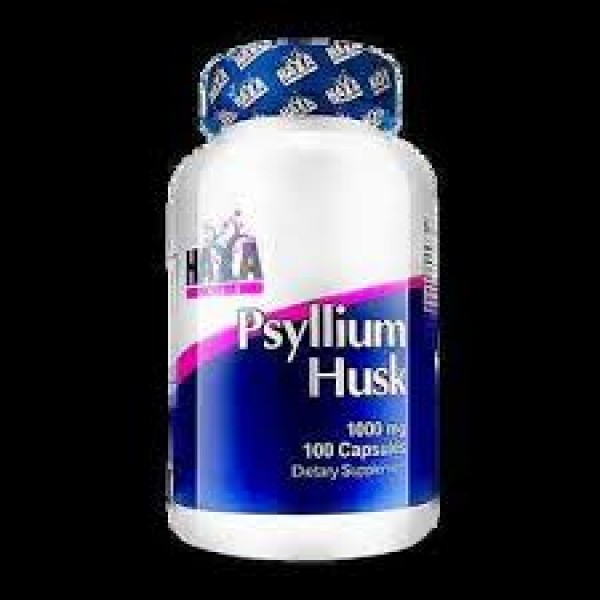
PSYLLIUM HUSK 1000 mg. 100 capsules
Product viewed: 2572


Psyllium is derived from the small red-brown to black seeds of the plant Plantago Psyllium. There are several varieties of this plant, but the seed scales of Plantago Psyllium are distinguished due to their high quality and fiber content. It grows as a weed in several places around the world and is grown for industrial purposes in Spain, France, India, Pakistan and other countries. Psyllium contains dietary fiber that contains mainly hemicellulose. They are not absorbed by the small intestine but partially degraded in the colon, where they play a role as a nutrient source for the beneficial intestinal flora. Typically, a psyllium acts as a sponge in the digestive tract, increasing its volume due to the absorption of water and waste. This forms a soft, bulk mass that passes through the colon faster (keeping potentially toxic waste in motion) and at the same time easier and more smoothly removed from the body. According to the Food and Drug Administration, a psyllium can also help reduce the risk associated with developing cardiovascular disease.
Research shows:
Fiber plays a major role in the proper functioning of the intestine;
They maintain healthy blood pressure due to increased sodium excretion from the body;
Psillium can improve the healing process in case of diarrhea caused by medication;
Analyzes show that the fibers are able to maintain cholesterol balance;
Quality Control Food and Drug Controls approve psyllium as a means to reduce the risk of cardiovascular problems;
Studies show that this plant can maintain a good level of blood sugar.
Recommended daily dose: 1-4 capsules a day with at least 240 ml of fluids.
The product is a nutritional supplement.
Keep out of the reach and sight of children.
Do not exceed the recommended daily dose.
Do not use as a substitute for a varied diet.
Composition of 2 capsules:
Pullium seed powder - 1000 mg.
Other Ingredients: Gelatin, Magnesium Stearate.
Packaging: 100 capsules.
Manufacturer: Haya Labs, USA.
Write a review
Your Name:Your Review: Note: HTML is not translated!
Rating: Bad Good
Enter the code in the box below:
Related Products
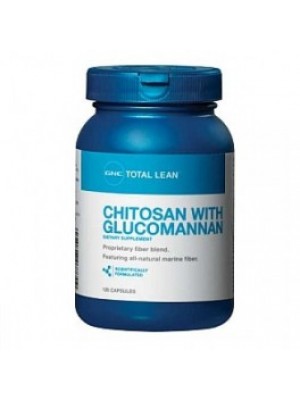
Chitosan with GLUCOMANNAN 120 capsulesPurpose:GNC Total Lean..
64.00€
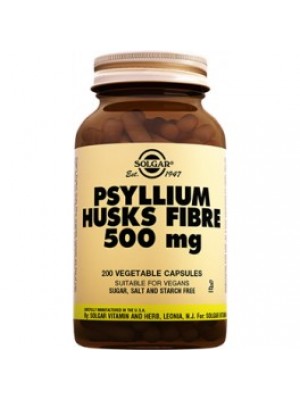
PSYLLIUM HUSKS FIBRE 500 mg. 200 capsulesFood supplement.Pac..
37.00€