
Your shopping cart is empty!
Welcome visitor you can login or create an account.
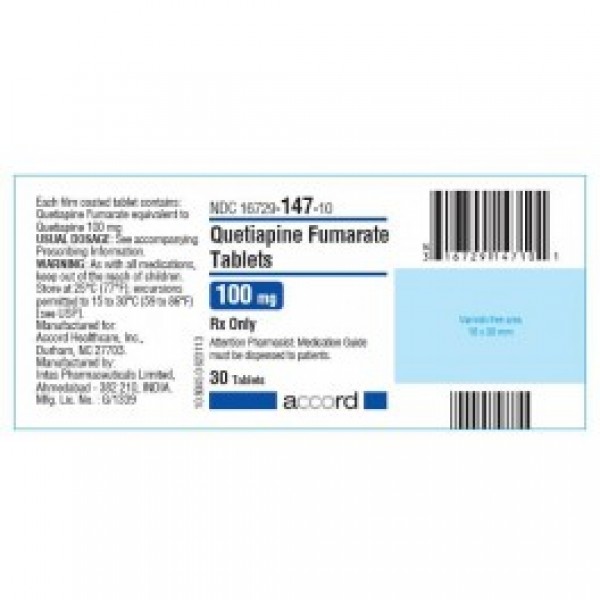
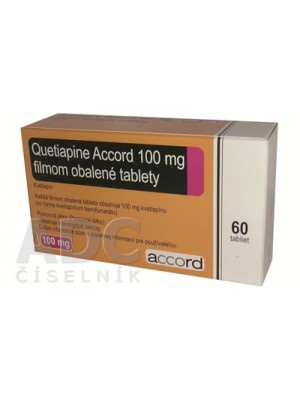
Quetiapine 100 mg. 60 tablets
Product Code: Quetiapine 100 mg. 60 tablets
Availability: In Stock
Product viewed: 2349


Quetiapine 100 mg. 60 tablets
WHAT quetiapine ACCORD AND WHAT IT IS USED
Quetiapine Accord contains a substance called quetiapine. It belongs to a group of medicines called antipsychotics. These drugs help in conditions that cause symptoms such as:
You can see, hear or feel things that are not there, believe things that are not true or feel unusually suspicious, anxious, confused, guilty, stressed or depressed;
You may feel very excited, elated, agitated, enthusiastic or hyperactive or have poor judgment, including disruptive or aggressive you are, or have aggressive behavior;
Effects on your mood, so you feel sad. You may find that you feel depressed, guilty, you do not have enough energy to lose appetite and / or you can not sleep.
Your doctor may continue to prescribe Quetiapine Accord when you feel better, to prevent recurrence of symptoms.
It may be to your advantage to let a friend or relative that you suffer from these symptoms and ask them to read this leaflet. You can ask them to share whether they think your symptoms get worse or if they worried about other changes in your behavior.
2. BEFORE YOU TAKE quetiapine ACCORD
Do not take Quetiapine Accord:
If you are allergic (hypersensitive) to quetiapine or any of the other ingredients of Quetiapine Accord (see Section 6: Further information);
If you are taking the following medicines:
protease inhibitors such as nelfinavir (for HIV infection);
azole drugs (for fungal infections);
medicines for infection (such as erythromycin or clarithromycin);
nefazodone (for depression).
Do not take Quetiapine Accord if any of these apply to you. If you are not sure, talk to your doctor or pharmacist before taking Quetiapine Accord.
Take special care with Quetiapine Accord
Quetiapine should not be taken by the elderly with dementia (loss of brain function). The reason is that a group of medicines belongs quetiapine may increase the risk of heart attack, or even in some cases the risk of death in older persons with dementia.
Before taking your medicine, tell your doctor if:
You or someone in your family has heart problems, such as heart rhythm problems;
Have low blood pressure;
Have suffered a heart attack, especially if you are elderly;
Have liver problems;
You had a fit (seizure);
Have diabetes or risk becoming ill from diabetes. If so, your doctor may check your blood sugar while taking Quetiapine Accord;
You are an elderly person with dementia or elderly and should not take quetiapine, because it belongs to a group of medicines that may increase the risk of stroke or increase the risk of death in patients with dementia;
You know that you had a low white blood cell count in the past (which may be caused by other drugs);
You or someone in your family has a history of blood clots, as medicines like these have been associated with formation of blood clots.
Tell your doctor if you have:
High temperature (fever), stiff muscles, confusion, sweating, or loss of consciousness (a condition called "neuroleptic malignant syndrome"). You may need immediate treatment;
Uncontrollable movements, mainly of your face or tongue;
Great drowsiness. This can increase the risk of accidental injury (fall) in elderly patients;
Seizures (convulsions);
Prolonged or painful erection (priapism).
These conditions may be caused by this type of drug.
Suicidal thoughts or worsening of your depression
If you are depressed you can sometimes have thoughts of harming or killing themselves. They may increase when you start treatment, because of all these drugs need time would act, usually about two weeks but sometimes longer. There may be more likely to think like this, if you are young.
Data from clinical trials has shown an increased risk of suicidal thoughts and / or suicidal behavior in young people aged less than 25 years with depression.
If you have thoughts of harming or killing yourself, contact your doctor or go to hospital immediately. It may be to your advantage to tell a relative or close friend that you are depressed and ask them to read this leaflet. You can ask them to say whether they think your depression is getting worse or whether they are worried about other changes in your behavior.
Weight gain was observed in patients receiving quetiapine Accord. You and your doctor should check your weight regularly.
Taking other medicines:
Please tell your doctor or pharmacist if you are taking or have recently taken any other medicines, including medicines obtained without a prescription and herbal medicines.
Do not take Quetiapine Accord if you are taking any of the following medicines:
Some medicines for HIV;
Azole drugs (for fungal infections);
Erythromycin or clarithromycin (for infections);
Nefazodone (for depression).
Tell your doctor if you are taking any of the following medicines:
Medicines for epilepsy (such as phenytoin or carbamazepine);
Rifampicin (TB);
Medicines for high blood pressure;
Barbiturates (for sleeping);
Thioridazine (another antipsychotic medicine);
Drugs that affect the heart, eg. drugs which lead to electrolyte imbalances in the blood such as diuretics (water pills), or some antibiotics.
Before you stop taking any of your medications, please talk to your doctor.
If you did a urine test, your results may be false positive for methadone or medicines for depression called tricyclic antidepressants because taking Quetiapine Accord. It is necessary to make a more specific assays.
Taking Quetiapine Accord with food and drink
Accord Quetiapine can be taken with or without food.
Be careful how much alcohol you drink, as the combined effect of Quetiapine Accord and alcohol can make you sleepy.
Do not drink grapefruit juice while taking Quetiapine Accord. This can affect the manner in which the drug acts.
Pregnancy and lactation
If you are pregnant, trying to become pregnant or breast-feeding, talk to your doctor before taking Quetiapine Accord. You should not take Quetiapine Accord during pregnancy unless it has been discussed with your doctor. Accord Quetiapine should not be taken if you are breastfeeding.
The following symptoms may occur in newborn infants of mothers using quetiapine in the last quarter (last three months of their pregnancy): shaking, muscle stiffness and / or weakness, drowsiness, agitation, breathing problems, and difficulty in feeding.
If your baby develops any of these symptoms you may need to contact your doctor.
Driving and using machines
Quetiapine may make you drowsy. Do not drive or operate machines until you know how this drug affects.
Important information about some of the ingredients of Quetiapine Accord
Quetiapine Accord contains lactose. If your doctor has told you that you have an intolerance to some sugars, contact before taking this medicine.
3. HOW TO TAKE quetiapine ACCORD
Always take Quetiapine Accord exactly as your doctor has instructed. If you are not sure, ask your doctor or pharmacist. Your doctor will decide on your starting dose and may increase it gradually. The dose will typically be between 150 mg and 800 mg daily. This will depend on your type of disease and needs.
Your doctor may start your treatment with a low dose and increase it slowly if:
you are elderly;
have liver problems.
I'll take your tablets once daily at bedtime or twice daily, depending on your disease.
Swallow your tablets whole with water.
You can take your tablets with or without food.
Do not drink grapefruit juice while taking Quetiapine Accord. This can affect the manner in which the drug acts.
Do not stop taking your tablets even if you feel better, unless your doctor tells you.
Children and adolescents under 18 years
Quetiapine Accord should not be used by children and adolescents under 18 years.
If you forget to take Quetiapine Accord
If you forget to take a dose, take it as soon as you remember. If it is almost time for your next dose, wait until then. Do not take a double dose to make up for a missed dose.
If you take more than the amount of Quetiapine Accord
If you take more than prescribed by your doctor tablets Quetiapine Accord may experience drowsiness, dizziness and abnormal heart rhythm. Immediately contact your doctor or nearest hospital. Bring the packaging and / or tablets Quetiapine Accord with you.
If you stop taking Quetiapine Accord
If you suddenly stop taking quetiapine tablets may find it hard to sleep (insomnia), you are raising or have a headache, diarrhea, vomiting, you dizzy or irritable. Your doctor may suggest you to reduce the dose gradually before stopping treatment.
If you have any questions about using this product, ask your doctor or pharmacist.
4. POSSIBLE SIDE EFFECTS
Like all medicines, Accord Quetiapine may cause side effects, although not everybody gets them. If any of the side effects gets serious, or you notice other effects not listed in this leaflet, please tell your doctor or pharmacist.
Very common (affects more than 1 in 10 patients):
Dizziness (may lead to falls), headache, dry mouth;
Drowsiness (may disappear over time if you continue to take Quetiapine Accord);
Symptoms of abrupt discontinuation of therapy (symptoms that may occur when you stop taking quetiapine) - may find it hard to sleep (insomnia), you are raised to have a headache, diarrhea, vomiting, you dizzy or irritable. They usually disappear a week after your last dose;
Weight gain.
Common (affects less than 1 to 10 users in 100):
Palpitations or fainting;
Feeling rapid heartbeat;
Stuffy nose;
Constipation, upset stomach (indigestion);
Weakness, fainting (may lead to falls);
Swelling of the hands or feet;
Low blood pressure when standing. It can cause dizziness or fainting (may lead to falls);
High blood sugar;
Blurred vision;
Abnormal muscle movements. These include difficulty in starting muscle movements, shaking, feeling restless or muscle cramps without pain;
Abnormal dreams and nightmares;
Hunger;
irritability;
Speech disorder;
Shortness of breath;
Vomiting (mainly in elderly patients);
Fever.
Uncommon (affects 1 to 10 patients in 1000):
Seizures or fits;
Allergic reactions, which may include the appearance of bumps (signs), and swelling of the skin around the mouth;
Uncomfortable feeling in the legs (also called restless leg syndrome);
Difficulty in swallowing;
Sexual dysfunction;
Uncontrolled movements, especially on your face or tongue (tardive dyskinesia).
Rare (affects 1 to 10 users in 10,000):
Combination of high temperature (fever), sore throat or mouth ulcers for a long time, rapid breathing, sweating, stiff muscles, drowsiness or fainting, high blood pressure or heart rate (a disease called "neuroleptic malignant syndrome");
Yellowing of the skin and eyes (jaundice);
Prolonged or painful erection (priapism)
Hepatitis (inflammation of liver);
Menstrual disorders;
Walking, talking, eating or other actions you take while you sleep;
Reduced body temperature (hypothermia);
Breast swelling and unexpected formation of milk (galactorrhea)
Blood clots in the veins especially in the legs (symptoms include swelling, pain and redness of the legs) that can pass through the blood vessels to the lungs, causing pain and difficulty in breathing.
Very rare (affects less than 1 in 10,000 people):
High blood sugar or worsening of pre-existing diabetes;
Inflammation of the liver (hepatitis);
Severe rash, blisters or red spots on the skin;
Inadequate secretion of the hormone that regulates the amount of urine;
Severe allergic reaction (called anaphylaxis), which can cause difficulty breathing, collapse or shock;
Rapid swelling of the skin, usually around the eyes, lips and throat (angioedema);
Dilution of muscle fibers and muscle pain (rhabdomyolysis).
The class of medicines to which they belong Accord Quetiapine may cause heart rhythm problems that can be serious and in severe cases can be fatal.
Some side effects can be seen only when the blood sample was taken. These include changes in the amount of certain fats (triglycerides and cholesterol) or sugar in the blood, a decrease in the number of certain types of blood cells and increases in the amount of the hormone prolactin in the blood. Increases the hormone prolactin in rare cases can lead to the following:
Men and women have swollen breasts and unexpected formation of milk;
Women have a monthly cycle or is irregular.
Therefore, your doctor may ask you to do blood tests at regular intervals.
Children and adolescents:
The same side effects that can occur in adults can occur in children and adolescents.
The following adverse reactions have been observed only in children and adolescents:
Very common (affects more than 1 in 10 patients):
Increase in blood pressure.
The following adverse reactions were observed more frequently in the days and adolescents:
Very common (affects more than 1 in 10 patients):
An increase in the amount of the hormone prolactin in the blood. High levels of the hormone prolactin in rare cases can lead to the following:
Breast swelling and unexpected lactation in boys and girls;
Absent or irregular menstruation in girls;
Increased appetite;
Abnormal muscle movements. These may include difficulty in stirring muscle tremors, restlessness or stiff muscles without pain.
5. HOW TO STORE quetiapine ACCORD
Keep out of the reach and sight of children.
This medicinal product does not require any special storage conditions.
Quetiapine Accord not use after the expiry date stated on the carton and blister. The expiry date refers to the last day of that month.
Write a review
Your Name:Your Review: Note: HTML is not translated!
Rating: Bad Good
Enter the code in the box below:
Related Products
Quetiapine Accord 50 mg. 60 tablets
What are the Accord..
25.00€
What is Quetiapine Accord and what it is used
Quetiapine Ac..
34.00€