Your shopping cart is empty!
Welcome visitor you can login or create an account.
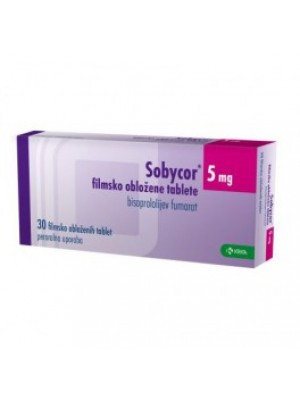
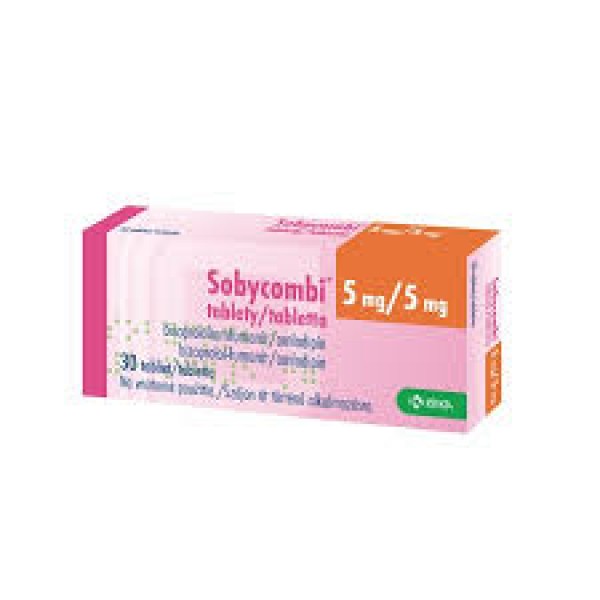
Sobycombi 5 mg. / 5 mg. 30 tablets
Product viewed: 2526


What is Sobycombi and what is it used for?
Sobycombi contains two active substances - bisoprolol and amlodipine.
Sikobombi is indicated for the treatment of elevated blood pressure and / or cardiovascular disease (stable ischemic heart disease) in patients already controlled with bisoprolol and amlodipine administered simultaneously at the same doses as they are in combination.
2. What you need to know before using Sobycombi
Do not use Sobycombi
if you are allergic (hypersensitive) to bisoprolol, amlodipine or any of the other ingredients of this medicine (listed in section 6) or to other calcium antagonists. This may include itching, reddening of the skin or difficulty in breathing,
in severe asthma,
in severe limb circulation problems (such as Raynaud's syndrome), which can cause tingling of the toes and toes or to pale or bluish,
in an untreated phaeochromocytoma that is a rare tumor of the adrenal gland, in metabolic acidosis, which is a condition where there is an increase in blood acidity, acute heart failure,
in the event of a worsening of heart failure requiring injecting drugs into the vein that increase the force of contraction of the heart, at slowing of heart rate, low blood pressure,
in some cardiac conditions causing heart rhythm retardation or irregular heartbeat,
in cardiogenic shock, which is an acute cardiac condition that leads to a decrease in blood pressure and circulatory insufficiency if you have narrowing of the aortic heart valve (aortic stenosis) if you suffer from heart failure after a heart attack.
Warnings and precautions
Check with your doctor or pharmacist before taking Sobicombi.
You should tell your doctor if you have or have had any of the following conditions:
diabetes,
starvation,
some heart disease such as heart rhythm disturbances or severe chest pain at rest (Princeton's angina),
kidney or liver problems,
problems in the circulation of extremities with moderate weight,
history of scaly skin rash (psoriasis),
adrenal gland tumor (pheochromocytoma),
thyroid disease,
recently experienced a heart attack,
heart failure,
severe hypertension (hypertensive crisis) if you have chronic lung disease or severe asthma. Please tell your doctor immediately if you start experiencing breathing difficulties, coughing, wheezing after workout, and while you are taking Komicombi
In addition, tell your doctor if you are going to:
desensitization therapy (for example, to prevent hay fever), as Sobicombi may cause an allergic reaction or increase its severity,
anesthesia (eg due to surgery), as Sobicombi may affect your body's response to this procedure.
Children and adolescents
Sobicombi is not recommended for use by children and adolescents under 18 because the benefits and risks have not been tested in this age group.
Other Drugs and Sobycombi
Tell your doctor or pharmacist if you are taking, have recently taken or might take any other medicines.
Do not take the following medicines with Sobombi tablets without special advice from your doctor:
some medicines used to treat high blood pressure such as clonidine, methyldopa, moxonidine, rilmenidine, but are not used to treat high blood pressure, angina pectoris or irregular heartbeat (calcium antagonists such as verapamide and dilinazem). these medicines without first consulting your doctor.
Check with your doctor before taking the following medicines with Sobicombi: Sobycombi may affect or be affected by other medicines, or your doctor may need to check your condition more often:
some medicines used to treat high blood pressure or angina pectoris or abnormal heart rhythm (dihydropyridine type calcium channel blockers such as felodipine),
some medicines used to treat irregular or abnormal heart rhythm (class I antiarrhythmic drugs such as quinidine, disopyramide, lidocaine, phenytoin, flecainide, propafenone),
some medicines that are used to treat irregular or irregular heartbeat (class III antiarrhythmic drugs such as amiodarone),
topical beta-blockers (eg eye drops to treat glaucoma),
some medicines that are used to treat Alzheimer's disease or treat glaucoma (parasympathomimetics such as tacrine or carbachol) or are used in critical situations to treat acute heart problems (sympathomimetics such as isoprenaline and dobutamine)
antidiabetic medicines, including insulin,
anesthetics (eg during surgical operations),
digitalis, used to treat heart failure,
non-steroidal anti-inflammatory drugs
some medicines that are used to treat epilepsy or during anesthesia (barbiturates such as phenobarbital) or some medicines to treat mental illnesses that are characterized by a lack of awareness of reality (phenothiazines such as levompromazine)
mefloquine used for the prophylaxis or treatment of malaria,
medicines for the treatment of depression called monoamine oxidase inhibitors (except MAO-B inhibitors) such as moclobemide,
ketoconazole, itraconazole (antifungal medicines),
ritonavir, indinavir, nelfinavir (the so-called protease inhibitors used to treat AIDS),
rifampicin, erythromycin, clarithromycin (antibiotics),
hypericum perforatum (St. John's wort),
verapamil, diltiazem (heart medicines),
tacrolimus (a medicine that affects the function of the immune system),
simvastatin (a medicine for lowering blood cholesterol),
cyclosporin (immunosuppressant).
Patients may lower your blood pressure to a greater extent if you are already taking other medicines to treat high blood pressure
Pregnancy and breastfeeding
There is a risk that the use of Komicombi during pregnancy may harm your baby. If you are pregnant or breast-feeding, think you may be pregnant or plan to become pregnant, ask your doctor or pharmacist before taking this medicine.
Pregnancy
The safety of amlodipine during pregnancy has not been established. If you think you may be pregnant or are planning to become pregnant, you should tell your doctor before taking Sobycombi
Breastfeeding
It is not known whether bisoprolol or amlodipine pass into breast milk. Therefore, breast-feeding is not recommended during treatment with Sobicombi.
Driving and using machines
Sobics may affect your ability to drive or operate machinery that may be affected depending on how well you are taking the medicine. If your tablets make you feel sick, dizzy or tired or get a headache, do not drive or operate machinery and contact your doctor immediately.
3. How to take Sobycombi
Always take this medicine exactly as your doctor or pharmacist has told you. If you are not sure, ask your doctor or pharmacist.
The recommended dose of Sobicombi is one tablet a day.
Take the tablet with water in the morning, with or without food. Do not break or chew the tablet.
It is important to continue taking the tablets. Do not wait for your tablets to run before you visit your doctor.
The score line (if any) is not intended to break the tablet.
If you take more Sobikombi than you need
If you take more Sobicombi than you should, tell your doctor immediately. Taking too many tablets can cause a severe reduction in blood pressure or even dangerously low levels. You may experience dizziness, dizziness, fainting or weakness. If the fall in blood pressure is severe, even shock may develop. Your skin can become cool and sticky and lose consciousness. Symptoms of overdose may also include delayed heart rhythm, severe breathing difficulties or trembling (due to lowering of blood sugar). If you take too many Sobikombi tablets, seek medical attention immediately.
If you forget to take Sobycombi
Do not worry. If you forget to take a tablet, skip this dose. Take the usual dose the next morning. Do not take a double dose to make up for the missed dose.
If you stop taking Sobycombi
Never stop taking Sobycombi except by medical advice. If you stop taking this medicine prematurely, your condition may be as before or soon as it gets worse.
If you have any further questions on the use of this medicine, ask your doctor or pharmacist.
4. Possible side effects
Like all medicines, this medicine can cause side effects, although not everyone gets them.
The most serious side effects are related to heart function:
slow heart rate (may affect up to 1 in 100 people)
aggravation of heart failure (may affect up to 1 in 100 people),
slow or uneven heartbeat (may affect up to 1 in 100 people).
Visit your doctor immediately if you develop any of the following very rare serious side effects after taking this medicine:
sudden wheezing, chest pain, shortness of breath or difficulty in breathing,
swelling of the eyelids, face or lips,
swelling of the tongue and throat, which causes great difficulty in breathing,
severe skin reactions including intense skin rash, urticaria, redness of the skin throughout the body, severe itching, blistering of the skin, peeling and swelling of the skin,
inflammation of the mucous membranes (Stevens-Johnson syndrome) or other allergic reactions,
heart attack,
abnormal heart rhythm,
inflammation of the pancreas, which can cause severe abdominal pain and back pain accompanied by the feeling that you are very ill.
If you feel dizzy or faint or have difficulty breathing, please contact your doctor as soon as possible.
BIZOPROLOL
Common: may affect up to 1 in 10 people:
dizziness,
headache
feeling cold or tingling of the hands or lower limbs stomach or intestinal complaints such as nausea, vomiting, diarrhea or constipation
fatigue
Uncommon: may affect up to 1 in 100 people:
sleep disturbances
depression
slow heartbeat
lowering of blood pressure
breathing difficulties in patients with asthma or chronic airway disease
muscle weakness and muscle spasms
feeling weak
Rare: may affect up to 1 in 1,000 people:
hearing disorders allergic rhinitis
decreased tear (dry eyes)
inflammation of the liver, which may cause yellowing of the skin or whites of the eyes
defined blood test results that show liver function or fat levels other than normal allergic skin reactions such as itching, flushing, rash, impaired erection nightmares, hallucination seizures
Very rare: may affect up to 1 in 10,000 people:
inflammation and redness of the eye (conjunctivitis)
hair loss
appearance or worsening of scaly skin rash (psoriasis);
rash similar to psoriasis
AMLODIPIN
The following common side effects have been reported. If any of them cause you problems or if they last for more than one week, you should contact your doctor.
Very common: may affect more than 1 in 10 people:
edema (fluid retention)
Common: may affect up to 1 in 10 people:
headache,
vertigo,
drowsiness (especially at the beginning of treatment)
reddening of the face
palpitations (feeling of your heartbeat)
stomach ache,
malaise (nausea)
changes in bowel motor,
diarrhea,
constipation,
indigestion
fatigue, weakness
visual disturbances, double vision
muscle cramps
swelling (swelling) of the ankle
Other side effects that have been reported are listed below. If any of these gets serious, or if you notice any side effects not listed in this leaflet, please tell your doctor or pharmacist.
Uncommon: may affect up to 1 in 100 people:
mood swings, anxiety, depression, insomnia trembling, taste abnormalities, seizures,
numbness or tingling of the limbs, loss of sense of pain
noise in the ears
low blood pressure
sneezing / rash caused by inflammation of the lining of the nose (rhinitis)
cough
dry mouth, vomiting (nausea)
hair loss,
increased sweating,
itching on the skin,
red spots on the skin,
discoloration of the skin
urinary disorder,
increased need for urination during the night, more frequent urination
inability to get an erection,
discomfort or breast enlargement in men
pain, feeling unwell, joint or muscle pain,
back pain
weight gain or weight loss
Rare: may affect up to 1 in 1,000 people:
confusion
Very rare: may affect up to 1 in 10,000 people:
decrease in white blood cell count, decrease in blood platelets, which may lead to abnormal bruising or bleeding (damage to red blood cells) blood sugar increase (hyperglycaemia)
nerve disease, which may lead to weakness, numbness or stiffness gum swelling abdominal (gastritis)
abnormal liver function, liver inflammation (hepatitis), yellowing of the skin (jaundice), elevation of liver enzymes which may have an effect on some medical tests increase in tension in the muscles
How to store Sobycombi
Keep out of the reach and sight of children.
Do not use this medicine after the expiry date which is stated on the carton after "EXP:" The expiry date refers to the last day of the month.
Store below 30 ° C.
Store in the original package in order to protect from light and moisture.
Do not dispose of medicines in the sewage system or in the household waste container. Ask your pharmacist how to dispose of medicines you no longer use. These measures will help to protect the environment.
6. Package contents and other information
What Sobycombi contains:
The active substances are bisoprolol fumarate and amlodipine besilate.
Sobycombi 5 mg / 5 mg tablets
Each tablet contains 5 mg of bisoprolol fumarate and 5 mg of amlodipine (as amlodipine besylate).
Sobycombi 5 mg / 10 mg tablets
Each tablet contains 5 mg of bisoprolol fumarate and 10 mg of amlodipine (as amlodipine besylate).
Write a review
Your Name:Your Review: Note: HTML is not translated!
Rating: Bad Good
Enter the code in the box below:
Related Products