Your shopping cart is empty!
Welcome visitor you can login or create an account.
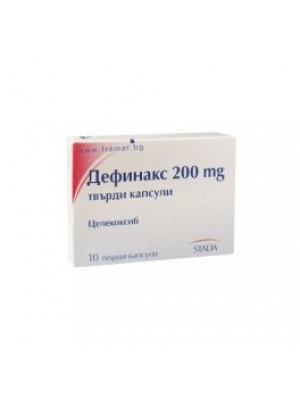
TEVACOXIB 200 mg. 10 capsules
Product Code: TEVACOXIB 200 mg. 10 capsules
Availability: In Stock
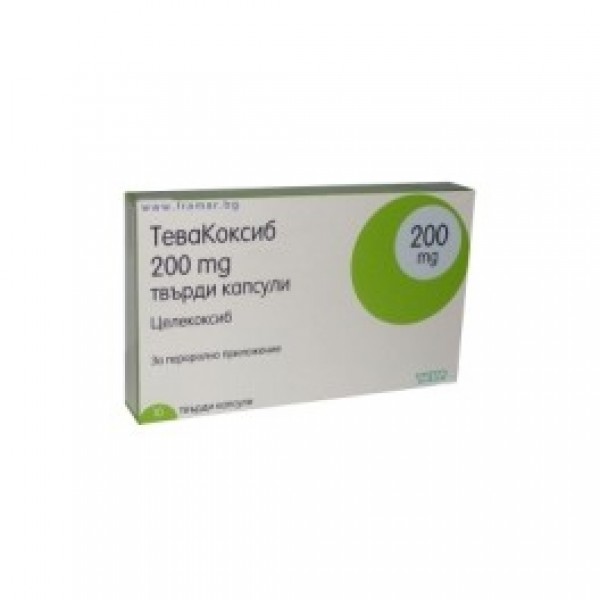
Product viewed: 1049


TEVACOXIB 200 mg. 10 capsules
What Tevacoxib 200 mg hard capsules and what it is used
What Tevacoxib 200 mg hard capsules
Tevacoxib with celecoxib active substance belongs to the group of medicines called non-steroidal anti-inflammatory drugs (NSAIDs) and in particular to a subset known as (COX-2) inhibitors.
Your body produces substances called prostaglandins, which cause pain and inflammation. In certain conditions such as rheumatoid arthritis and osteoarthritis, your body produces a larger amount of them. TevaKoksib works by reducing the production of these substances, thereby decreasing pain and inflammation.
What is Tevacoxib 200 mg hard capsules
Tevacoxib is used to relieve the signs and symptoms of rheumatoid arthritis, osteoarthritis and ankylosing spondylitis (ankylosing spondylitis).
2. What you need to know before taking Tevacoxib
Do NOT take TevaKoksib 200 mg hard capsules:
if you are allergic to celecoxib or any of the other ingredients of this medicine (listed in section 6);
if you have ever had an allergic reaction to a group of medicines called "sulphonamides" (eg. some antibiotics used to treat infections);
if have ulcers in the stomach or intestines, or bleeding in the stomach or intestines;
if due to taking aspirin or other nonsteroidal anti-inflammatory and analgesic drugs (NSAIDs) have received asthma, nasal polyps, severe nasal congestion or allergic reaction such as an itchy skin rash, swelling of face, lips, tongue or throat, difficulty breathing or wheezing ;
if you are pregnant. If it is possible to become pregnant while receiving treatment with celecoxib, you should discuss methods of birth control with your doctor;
if you are breastfeeding;
if you have severe liver disease;
if you have severe kidney disease;
if you have inflammatory bowel disease such as ulcerative colitis or Crohn's disease;
if you have heart failure;
if you have diagnosed heart disease or cerebrovascular disease, eg. You have diagnosed heart attack, stroke or transient ischemic attack (temporary reduction of blood flow to the brain, also known as "mini-stroke"), angina pectoris or blockage of blood vessels to the heart or brain;
if you have or have had problems with blood circulation (peripheral arterial disease).
Warnings and Precautions
Talk to your doctor or pharmacist before taking TevaKoksib 200 mg hard capsules:
if you have or have had an ulcer or bleeding from the stomach or intestines;
if you are taking acetylsalicylic acid (even at low doses to prevent heart). TevaKoksib 200 mg hard capsules can be taken concomitantly with acetylsalicylic acid, but only in low daily doses of acetylsalicylic acid;
if you use medicines to thin the blood (eg. warfarin);
if you smoke;
if have diabetes;
if you have high blood pressure;
if you have high cholesterol;
if your heart, liver or kidneys are not working well, your doctor may request regular tests;
if have fluid retention (such as swelling around the ankles and feet);
if you are dehydrated, for instance due to vomiting, diarrhea or the use of diuretics (used to treat excess fluid in the body);
If you have had a severe allergic reaction or severe skin reaction to any medicine;
if feel unwell as a result of infection or think you may have an infection as TevaKoksib may mask a fever or other signs of infection and inflammation;
if you are aged over 65, your doctor may perform regular tests.
You should not take TevaKoksib 200 mg hard capsules with any other analgesic or anti-inflammatory drugs (NSAIDs) that do not contain aspirin (such as ibuprofen or diclofenac).
As with other NSAIDs (eg., Ibuprofen or diclofenac), this medicine can cause an increase in blood pressure, therefore your doctor may insist on controlling your blood pressure during certain periods of time.
With the active substance celecoxib have been reports of severe liver reactions, including severe liver inflammation, liver damage and liver failure (some with fatal outcome or requiring liver transplant). Of cases in which it was reported time to onset, these severe reactions occurred within one month after starting treatment.
Other medicines and Tevacoxib 200 mg hard capsules
Please tell your doctor or pharmacist if you are taking, have recently taken or might take any other medicines.
Interactions which are possible with the following medications:
some drugs for the treatment of cough (dextromethorphan);
drugs used for hypertension and heart failure (e. ACE inhibitors or angiotensin II antagonists);
drugs used to treat fluid retention in the body (diuretics);
some drugs for treating fungal and bacterial infections (fluconazole and rifampicin);
medicines to "thin the blood" that reduce blood clotting (warfarin or other oral anticoagulants);
medicines for depression (eg. lithium);
drugs for the treatment of sleep disorders or arrhythmia;
some medicines for mental disorders (neuroleptics)
certain drugs used to treat rheumatoid arthritis, psoriasis and leukemia (methotrexate);
some drugs for treating epilepsy / convulsions and certain forms of pain or depression (carbamazepine);
some medicines to treat epilepsy / seizures and some sleep disorders (barbiturates);
certain drugs used for suppressing the immune system, e. after transplantation (cyclosporine and tacrolimus);
acetylsalicylic acid. TevaKoksib can be taken concomitantly with acetylsalicylic acid, but only in low daily doses of acetylsalicylic acid. Before taking both drugs simultaneously, consult your doctor or pharmacist.
Pregnancy and lactation
If you are pregnant or breast-feeding, you think you may be pregnant or planning to become pregnant, ask your doctor or pharmacist before taking this medicine.
TevaKoksib 200 mg hard capsules should not be used by women who are pregnant or may become pregnant (ie women of childbearing potential not using adequate contraception) during treatment. If you become pregnant during treatment with TevaKoksib 200 mg hard capsules, you should discontinue treatment and call your doctor.
TevaKoksib 200 mg hard capsules should not be used during breastfeeding.
Driving and using machines
You should be aware of how you react to TevaKoksib 200 mg hard capsules before you drive or operate machinery. If you feel dizzy or drowsy after taking TevaKoksib 200 mg hard capsules, do not drive or operate machinery.
3. How to take TevaKoksib 200 mg hard capsules
Always take this medicine exactly as you have been told by your doctor. If you're not sure, ask your doctor or pharmacist.
Dosage:
For osteoarthritis
The recommended daily dose is 200 mg (1 hard capsule once a day), increased by the doctor to a maximum of 400 mg (2 hard capsules) if necessary.
Rheumatoid arthritis
The recommended initial daily dose is 200 mg (1 hard capsule once a day), increased by the doctor to a maximum of 400 mg (2 hard capsules), if necessary.
For ankylosing spondylitis (Bechterew's disease)
The recommended daily dose is 200 mg (1 hard capsule once daily) increased by your doctor to a maximum of 400 mg (2 hard capsules), if necessary.
Your doctor will determine what is the appropriate dose for you. Since the risk of side effects occurring with heart problems may increase with increasing dose and duration of use, it is important to use the lowest dose that leads to pain control and should not take TevaKoksib for a period longer than necessary to control symptoms. If you think the effect of TevaKoksib is too strong or too weak, talk to your doctor or pharmacist.
Contact your doctor if within two weeks receive no effect.
Maximum daily dose:
You should not take more than 400 mg (2 hard capsules) celecoxib daily.
Kidney or liver problems
Make sure your doctor knows you have liver or kidney problems as you may need a lower dose.
Elderly patients, especially patients weighing less than 50 kg
If you are aged over 65 and weigh less than 50 kg, your doctor may decide that it is necessary to see you more often.
Use in children
Tevacoxib 200 mg hard capsules only for use in adults and is not used in children.
How to take Tevacoxib 200 mg hard capsules
The capsules can be taken at any time of day with or without food. However, try to take each dose of Tevacoxib at the same time of day TevaKoksib must be swallowed with sufficient amount of water (eg. A glass of 200ml).
If you take more dose Tevacoxib 200 mg hard capsules
You should not take more hard capsules than prescribed by your doctor. If you take too many capsules, contact your doctor, pharmacist or hospital and take your medicines so your doctor can see what you are taking.
If you forget to take Tevacoxib 200 mg hard capsules
If you forget to take Tevacoxib 200 mg hard capsules, take it as soon as you remember. Still not take a double dose to make up the missed dose.
If you stop taking Tevacoxib 200 mg hard capsules
Abrupt discontinuation of TevaKoksib 200 mg hard capsules may lead to a worsening of symptoms. Do not stop taking TevaKoksib 200 mg hard capsules unless your doctor has told you. Your doctor may tell you to reduce your dose over a few days before stopping completely TevaKoksib.
If you have any further questions on the use of this medicine, ask your doctor or pharmacist.
4. Possible side effects
Like all medicines, this medicine can cause side effects, although not everybody gets them.
Adverse reactions listed below have been observed in patients with arthritis. Some of the adverse reactions marked with an asterisk (*) listed below have occurred with higher frequency in patients who received celecoxib for the prevention of colon polyps. Patients in these studies received celecoxib in higher doses and for a longer period of time.
Stop using TevaKoksib 200 mg hard capsules and immediately tell your doctor if you have:
allergic reaction such as skin rash, swelling of the face, wheezing or difficulty breathing;
skin reactions such as rash, blistering or peeling skin;
heart problems such as chest pain;
severe stomach pain or any other manifestation of bleeding in the stomach or intestine, such as the emergence of black or blood containing stools or vomiting blood;
liver failure with symptoms such as nausea, diarrhea, jaundice (yellowing of the skin or whites of the eyes).
Very common side effects (may affect more than 1 in 10 people):
high blood pressure*.
Common side effects (may affect up to 1 in 10 people):
inflammation of the sinuses, sinus infection, blocked or painful sinuses (sinusitis), colds, urinary tract infections;
worsening of allergy;
hard backfilling;
dizziness, stiff muscles;
* heart attack;
stuffy or runny nose, cough, sore throat, shortness of breath *;
stomach pain, diarrhea, indigestion, flatulence, vomiting * difficulty swallowing *;
rash, pruritus;
flu-like symptoms, fluid retention in the body with swelling in the ankles, legs and / or arms.
Uncommon side effects (may affect up to 1 in 100 people):
changes in red blood cells, which may be the reason for pale skin, fatigue and shortness of breath;
increased levels of potassium in the blood, which can cause nausea, fatigue, muscle weakness or palpitations;
anxiety, depression, tiredness;
feelings of numbness, drowsiness, stroke *;
blurred vision;
ringing in the ears, palpitations, rapid heartbeat;
worsening of existing high blood pressure;
constipation, hiccups, inflammation of the stomach (with symptoms such as indigestion, stomach ache or vomiting), stomatitis, worsening of inflammation of the stomach or intestines;
changes in liver research;
hives;
spasms of the limbs;
some abnormal kidney tests.
Rare side effects (may affect up to 1 in 1000 people):
decreased number of white blood cells, which can increase the risk of infection and a reduced number of platelets, which may increase the risk of bleeding or easy bruising;
confusion;
difficulties in coordinating muscle movements, changes in taste sensations;
Ulcers in the duodenum, stomach, esophagus, intestine, rupture of the bowel (which may be the cause of stomach pain, pain, fever, nausea or intestinal blockage), inflammation of the esophagus (which may be a cause of difficulty in swallowing) dark or black stools, inflammation of the pancreas (cause stomach pain);
elevated levels of some liver function tests;
hair loss, increased sensitivity to light.
Additional adverse reactions that have been reported from the use of TevaKoksib (after its release). Assessment of the incidence of these side effects can not be made from the available data:
severe reduction in the number of blood cells, which can be a cause of fatigue and bruising, and increased risk of infection;
severe allergic reactions (including potentially fatal anaphylactic shock) which can cause skin rash, swelling of face, lips, mouth, tongue or windpipe, wheezing or difficulty breathing;
hallucinations;
headache, worsening of epilepsy with possible increased incidence and / or more severe seizures, inflammation of the skin around the brain and spinal cord (meningitis), taste disturbance, impaired sense of smell, bleeding in the brain leading to death;
inflammation of the conjunctiva, bleeding into the eye, nasal an artery or vein in the eye, leading to partial or complete loss of vision;
irregular heartbeat;
erythema with burning sensation, inflammation of the blood vessels (which is the cause of fever, pain and purple lumps on the skin), blood clot in the lungs manifested with chest pain and shortness of breath;
tightening of the airways with shortness of breath;
nausea, bleeding from the stomach or intestines (manifested by bloody stools or vomiting), appearance of or worsening of inflammation of the small or large intestines;
hepatic insufficiency (sometimes fatal or requiring chernodrobnatransplantatsiya); severe liver inflammation (sometimes fatal) liver inflammation, liver damage, jaundice;
changes in skin color (bruising), severe skin conditions (such as the syndrome of Stevens-Johnson, exfoliative dermatitis, toxic epidermal necrolysis (can cause rash, blistering or peeling of the skin), swelling of the face, lips, mouth , tongue, red and swollen area with numerous small pus pimples (acute, generalized exanthematous pustulosis);
renal failure, nephritis, decreased levels of sodium in the blood, which may cause loss of appetite, headache, nausea, muscle spasms and weakness;
painful joints, muscle pain and weakness;
menstrual irregularities;
chest pain.
In clinical trials in patients with conditions other than arthritis (joint inflammation) or other arthritic conditions, where celecoxib is administered in doses of 400 mg daily for up to 3 years were observed following additional adverse reactions:
Common side effects (may affect up to 1 in 10 people):
angina;
syndrome, irritable bowel (may include abdominal pain, diarrhea, indigestion and gas);
kidney stones (which can cause abdominal pain or back pain, or blood in the urine), changes in the indicators of renal function, difficulty urinating;
weight increase.
Uncommon side effects (may affect up to 1 in 100 people):
gastric infection (which can cause irritation and ulceration of the stomach and intestinal mucosa), herpes zoster, skin infection, gingivitis, bronchitis, and pneumonia;
conjunctival haemorrhage, visual disturbances, leading to blurred or impaired vision;
dizziness due to problems in the inner ear;
deep vein thrombosis (blood clots usually in the legs, causing pain, swelling or redness of the calf or breathing problems);
mouth ulceration, impaired speech;
bleeding hemorrhoids fast movement;
formation of fatty lumps on the skin or elsewhere, harmless swelling on or around joints and tendons in the hands or feet (ganglion), allergic eczema (dry itchy rash);
fracture of the lower limb;
passing large amounts of urine during the night, increased levels of sodium in the blood;
bleeding from the vagina, pain in the chest.
If you get any side effects, contact your doctor or pharmacist.
Keep out of reach of children.
Write a review
Your Name:Your Review: Note: HTML is not translated!
Rating: Bad Good
Enter the code in the box below:
Related Products