
Your shopping cart is empty!
Welcome visitor you can login or create an account.
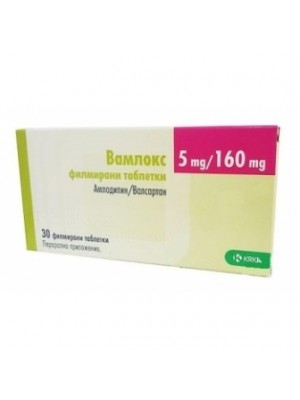
Wamlox 10 mg. / 160 mg. 30 tablets
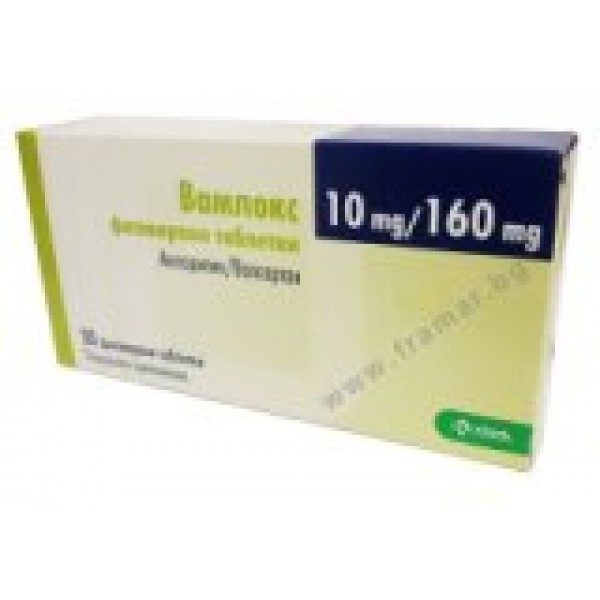
Product viewed: 5222


What Wamlox is and what it is used for
Wamlox tablets contain two substances called amlodipine and valsartan. Both substances
help control high blood pressure.
Amlodipine belongs to a group of substances called "calcium antagonists". Amlodipine stops the passage of calcium through the calcium channels in the wall of the blood vessels, which prevents the blood vessels from contracting. Valsartan belongs to a group of substances called "angiotensin-II Receptor Antagonists". Angiotensin II is produced by the body and causes the blood vessels to contract, thus increasing blood pressure. Valsartan works by blocking the effect of angiotensin II.
This means that both substances help to stop the blood vessels from contracting. As a result, the blood vessels are relaxed and the blood pressure decreases.
Vamox is used to treat high blood pressure in adults whose blood pressure is not controlled adequately with amlodipine or valsartan alone.
2. What you need to know before taking Wamlox
Do not take Wamlox
if you are allergic to amlodipine or other calcium channel blockers. This may include itching, reddening of the skin or difficulty in breathing.
if you are allergic to valsartan or any of the other ingredients of this medicine (listed in section 6). If you think you are allergic, talk to your doctor before taking Vamox.
if you have severe liver problems or gall bladder problems such as biliary cirrhosis or cholestasis.
if you are pregnant after 3 months (better to avoid taking Vamlox in your early pregnancy, see section "Pregnancy").
if you have very low blood pressure (hypotension).
if you have a narrowing of the aortic valve (aortic stenosis) or cardiogenic shock (a condition where the heart is unable to deliver enough blood to the body).
if you have heart failure after myocardial infarction.
if you have high blood sugar levels and suffer from type 2 diabetes (also called non-insulin dependent diabetes mellitus) or impaired kidney function and are being treated with aliskiren-containing blood pressure lowering medication.
If any of the above applies to you, do not take Vamox and consult your doctor.
Warnings and precautions
Check with your doctor before taking Wamlox
if you have been sick (vomiting or have diarrhea).
if you have liver or kidney problems.
if you have had a kidney transplant or have been told you have narrowing of the kidney arteries.
if you have a disease affecting the adrenal gland called "primary hyperaldosteronism".
if you have had heart failure or a heart attack. Follow your doctor's instructions carefully for the initial dose. It is also possible for your doctor to examine your kidney function.
if your doctor has told you that you have a narrowing of your heart valves (called "aortic or mitral stenosis") or that the thickness of the heart muscle is increased above normal (called "obstructive hypertrophic cardiomyopathy").
if you have had edema, especially in the face or throat, while taking other medicines (including angiotensin converting enzyme inhibitors). If you develop such symptoms, stop taking Vamox and contact your doctor immediately. You should never take Vamox again.
if you are taking any of the following medicines used to treat high blood pressure:
- ACE inhibitor (eg enalapril, lisinopril, ramipril), especially if you have kidney problems associated with diabetes.
- aliskiren.
Your doctor may periodically check your kidney function, blood pressure and the amount of electrolytes (eg potassium) in your blood.
See also the information titled "Do not take Vamox".
If any of the above applies to you, talk to your doctor before taking Vamox.
Children and adolescents
The use of Tamiflu in children and adolescents (under 18 years of age) is not recommended
Other drugs and Wamlox
Tell your doctor or pharmacist if you are taking, have recently taken or might take any other medicines. Your doctor may need to change your dose and / or take other precautions. In some cases, you may need to stop taking one of the medicines. This is especially true for the medicines listed below:
blood pressure lowering medicines called ACE inhibitor or aliskiren;
diuretics (a type of medicine also called "drainage tablets" that increase the amount of urine output);
lithium (a medicine used to treat some types of depression); potassium-sparing diuretics, potassium supplements, salt substitutes containing potassium or other substances that may increase potassium levels;
some types of painkillers called non-steroidal anti-inflammatory drugs (NSAIDs) or selective cyclooxygenase 2 inhibitors (COX-2 inhibitors)
verapamil, diltiazem (heart medicines);
simvastatin (a medicine used to control high cholesterol);
daprolene (infusion at severe body temperature abnormalities);
medicines used to prevent transplant rejection (cyclosporin, tacrolimus).
Vamox with food and beverages
People who take Vamox should not consume grapefruit or drink grapefruit juice. The reason for this is that grapefruit and grapefruit juice can lead to an increase in the plasma levels of the active substance amlodipine, which in turn may lead to an unpredictable increase in the anti-hypertensive effect of Vamox.
Pregnancy and breastfeeding
Pregnancy
You should tell your doctor if you think you are pregnant (or you may become pregnant). Your doctor will usually advise you to stop taking Vamox before you become pregnant or as soon as you know you are pregnant and will advise you to take another medicine instead of Vamox. Vamox is not recommended in early pregnancy (the first 3 months) and should not be taken during pregnancy after 3 months because it can cause serious harm to your baby if used after the third month of pregnancy.
Breastfeeding
Tell your doctor if you are breast-feeding or intend to breast-feed. Vamox is not recommended for mothers who are breast-feeding and your doctor may prescribe another treatment if you are willing to breast-feed, especially if your baby is newborn or was born prematurely.
Talk to your doctor or pharmacist before taking any medicine.
Driving and using machines
This medicine can make you feel dizzy. This can affect your ability to concentrate well. Therefore, if you are not sure how this medicine will affect you.
Do not drive or operate machinery, nor do other activities requiring concentration.
3. How to take Wamlox
Always take this medicine exactly as your doctor has told you. If you are not sure, ask your doctor. This will help you achieve the best results and reduce the risk of side effects.
The usual dose of Vamox is one tablet a day.
It is preferable to take the tablet at the same time each day. Take the tablet through your mouth with a glass of water.
You may take Vamox with or without food. Do not take Vamox with grapefruit or grapefruit juice.
Depending on how you respond to treatment, your doctor may suggest increasing or decreasing the dose. Do not exceed the prescribed dose.
Vamox and elderly (65 years and over)
Your doctor should be careful when increasing your dose.
If you have any further questions on the use of this medicine, ask your doctor or pharmacist.
If you take more than the necessary dose of Tamoxifen
If you take too many Vamox tablets or if someone else has taken your tablets, consult a doctor immediately.
If you forget to take Wamlox
If you forget to take this medicine, take it as soon as you remember. Then take the next dose at the usual time. However, if the next dose is near, do not take the dose you missed. Do not take a double dose to make up for the missed tablet.
If you stop taking Vamox
Stopping treatment with Vamox may lead to a worsening of your illness. Do not stop taking your medicine until your doctor tells you to do so.
If you have any further questions on the use of this product, ask your doctor or pharmacist.
4. Possible side effects
Like all medicines, this medicine can cause side effects, although not everyone gets them.
Some side effects may be serious and may require immediate medical attention:
Few patients have experienced the following serious side effects (may affect up to 1 in 1,000 people). If any of the following side effects occur, tell your doctor immediately:
Allergic reaction with symptoms such as rash, itching, swelling of the face or lips and tongue, difficulty breathing, low blood pressure (feeling faint and dizzy)
Other possible side effects of Wamlox
Common (may affect up to 1 in 10 people): Flu; blocked nose, red throat and swallowing discomfort; headache; swelling of the hands, palms, feet, ankles or feet; tiredness; asthenia (weakness); redness and sensation of warming of the face and / or neck.
Uncommon (may affect up to 1 in 100 people): Dizziness; nausea and abdominal pain; dry mouth; drowsiness, thirst or tingling on the palms or feet; vertigo; accelerated heartbeat, including palpitations; dizziness in straightening; coughing; diarrhea; constipation; skin rash, redness of the skin; joint swelling, back pain; joint pain.
Rare (may affect up to 1 in 1,000 people): Feeling dizzy
Uncommon (may affect up to 1 in 100 people): Changes in mood, anxiety, depression, insomnia, tremor, taste changes, fainting, loss of feeling of pain; visual disturbances, vision impairment, ringing in the ears; low blood pressure; sneezing / rash caused by inflammation of the lining of the nose (rhinitis); impaired digestion, vomiting; hair loss, increased sweating, skin pruritus, skin discoloration, impaired urination, frequent urination urgency at night, increased urination frequency; inability to get an erection; discomfort or breast enlargement in men, pain, general malaise, muscle pain, muscle cramps; increasing or decreasing body weight.
Rare (may affect up to 1 in 1,000 people): Confusion
Very rare (may affect up to 1 in 10,000 people): Reduced white blood cell counts, low platelet counts in the blood, which may cause unusual symptoms of easy bleeding (red blood cell damage); increased blood sugar (hyperglycaemia); swollen gums, abdominal swelling (gastritis); impaired hepatic function, liver inflammation (hepatitis), yellow skin (jaundice), elevation of liver enzymes which may affect some laboratory tests; increased tension in muscles; inflammation of the blood vessels, often accompanied by skin rash, sensitivity to light.
Not known (frequency can not be estimated from the available data): Shivering, stiff posture, mask-like expression of the face (masked face), slow motion and leg trauma, unsteady gait.
Valsartan
Not known (frequency can not be estimated from the available data): Red blood cell count, temperature, sore throat or mouth ulceration due to infections; spontaneous bleeding or bruising; high levels of potassium in the blood; abnormalities in liver function tests; reduced or severely reduced kidney function; swelling, predominantly in the area of the face and throat; muscle pain; rash, violet-red spots; temperature; itching; allergic reactions; blistering of the skin (a sign of a disease called bullous dermatitis).
How to store Wamlox
Keep out of the reach and sight of children.
Do not use Vamox after the expiry date which is stated on the carton and the blister. The expiry date refers to the last day of that month.
Store below 30 ° C.
Do not dispose of medicines in the sewage system or in the household waste container. Ask your pharmacist how to dispose of medicines you no longer use. These measures will help to protect the environment.
6. Package Contents and Additional Information
What Wamlox contains
The active substances are valsartan and amlodipine.
5 mg / 80 mg film-coated tablet:
Each 5 mg / 80 mg film-coated tablet contains 5 mg of amlodipine, as amlodipine besilate (amlodipine besilate) and 80 mg of valsartan
5 mg / 160 mg film-coated tablet:
Each 5 mg / 160 mg film-coated tablet contains 5 mg of amlodipine as amlodipine besilate (amlodipine besilate) and 160 mg of valsartan.
10 mg / 160 mg film-coated tablet:
Each 10 mg / 160 mg film-coated tablet contains 10 mg of amlodipine as amlodipine besilate (amlodipine besilate) and 160 mg of valsartan.
The other ingredients are microcrystalline cellulose, magnesium stearate, croscarmellose sodium, povidone K25, sodium lauryl sulfate, mannitol and silica, colloidal anhydrous in the tablet core and polyvinyl alcohol, titanium dioxide (E171), macrogol 3000, talc, yellow iron oxide ) in the film coating.
What Wamlox looks like and what the package contains
Wamlox 5 mg / 80 mg film-coated tablets (tablets): This medicinal product is a brownish-yellow, round, slightly biconvex, film-coated tablet with bevelled edges and may have dark spots (tablet diameter: 8 mm, mm - 4.3 mm).
Wamlox 5 mg / 160 mg film-coated tablets (tablets): This medicinal product is a brownish-yellow, oval, biconvex, film-coated tablet, possibly having dark spots (tablet dimensions: 13 mm x 8 mm, thickness: 3.8 mm - 5.4 mm).
Wamlox 10 mg / 160 mg film-coated tablets (tablets): this medicinal product is a light brownish yellow, oval, biconvex, film-coated tablet (tablet dimensions: 13 mm x 8 mm, thickness: 3.8 mm - 5.4 mm ).
Blister (OPA / Alu / PVC-Aluminum foil): 10,14,28,30, 56,60,84,90 and 100 tablets in a box. Not all pack sizes may be marketed.
Write a review
Your Name:Your Review: Note: HTML is not translated!
Rating: Bad Good
Enter the code in the box below:
Related Products
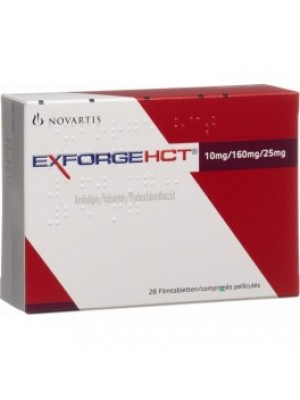
EXFORGE 10 mg. / 160 mg. 28 tabletsWHAT EXFORGE IS AND WHAT ..
39.00€
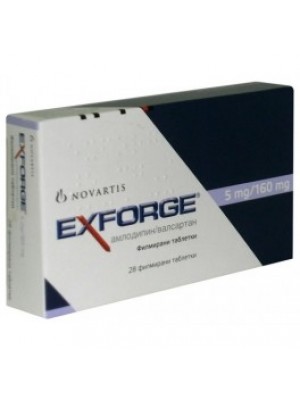
EXFORGE 5 mg. / 160 mg. 28 tabletsWHAT EXFORGE IS AND WHAT I..
37.00€
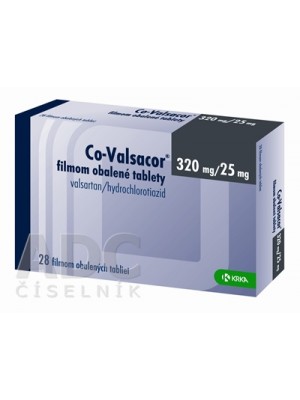
WHAT CO-VALSACOR IS AND WHAT IT IS USED FOR
Co-Valsacor fil..
25.00€
What Wamlox is and what it is used for
Wamlox tablets conta..
18.00€