Your shopping cart is empty!
Welcome visitor you can login or create an account.
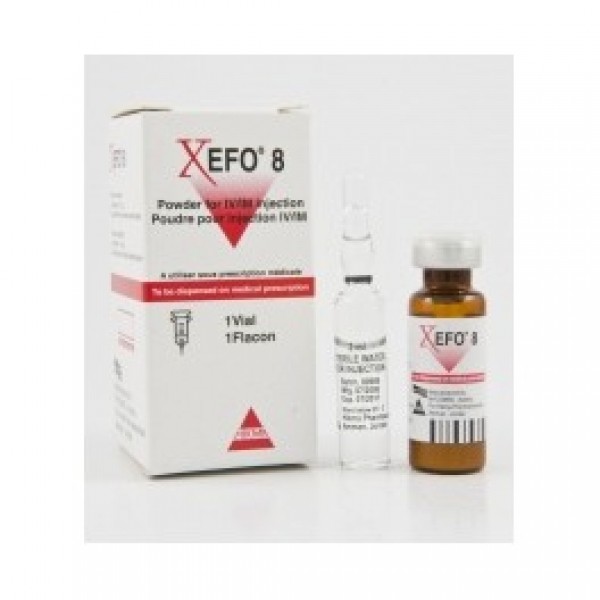
XEFO vial 8 mg. 2 ml. with solvent
Product Code: XEFO vial 8 mg. 2 ml. with solvent
Availability: In Stock
Product viewed: 2243


XEFO vial 8 mg. 2 ml. with solvent
Ingredients:
One vial contains 8 mg lornoxicam. Upon dilution as recommended afforded 4 mg / ml lornoxicam
Excipients: mannitol, trometamol, disodium EDTA
Solvent: water for injections.
indications:
For short-term treatment of moderately severe postoperative pain such as pain after dental surgery.
Contraindications:
XEFO should not apply in the following patients:
- Known hypersensitivity / allergic to any of the ingredients or other anti-inflammatory analgesic drugs, including aspirin
- Bleeding from the gastrointestinal tract, brain hemorrhage, active peptic ulcer or a history of recurrent peptic ulcer of the stomach or intestine;
-trombotsitopeniya
- Propensity for bleeding
- Severe hepatic impairment
- Overt cardiac failure
- Severe renal impairment
- Elderly and weighing less than 50 kg undergoing surgery.
- Pregnancy and lactation
- Patients under 18
Dosage, method and duration of use:
Xefo 8 mg powder for solution for injection should be dissolved in 2 ml of water for injections before being injected. The pH of the reconstituted solution is about 8.7. The osmolality of the reconstituted solution is about 328 mosmol / kg route of administration is by intravenous or intramuscular injection.
Xefo when administered by intravenous injection, the duration of injection should be at least 15 seconds. When administered intramuscular injection - at least 5 seconds.
Lornoxicam should be administered at a dose of 8 mg and the total daily dose should not exceed 16 mg. Some patients may need an additional dose of 8 mg within 24 hours. Increasing the maximum allowable daily dose for the first day of treatment is 24 mg.
Effects on ability to drive and use machines:
No data.
Undesirable effects:
In approximately 16% of patients can be expected to have undesirable effects in terms of gastro-intestinal tract, in 5% may be observed common disorders and / or disorders of the nervous system and in 2% - skin reactions.
Drugs such as Xefo may be associated with a small increased risk of heart attack or stroke.
as with treatment with other non-steroidal anti-inflammatory drugs, including oxicam, you may experience the following side effects:
- Gastrointestinal ulcers with intestinal perforation, which can be severe;
- Duodenal ulcers, vomiting blood or blood in the stool;
- Possible onset of severe skin reactions and serious hypersensitivity reactions, which can be life-threatening. In these cases should immediately seek medical attention;
- In rare cases may occur various renal diseases: interstitial nephritis, glomerulonephritis, renal medullary necrosis or nephrotic syndrome.
- Impaired hematopoiesis, reducing the number of leukocytes and erythrocytes in the blood
Gastrointestinal disorders:
Common - abdominal pain, diarrhea, digestion, nausea, vomiting
Uncommon - constipation, dysphagia, dry mouth, flatulence, gastritis, ulcers and / or gastrointestinal bleeding, inflammation of the lining of the mouth, haemorrhoidal bleeding.
General disorders and administration site conditions:
Common - dizziness, headache
Uncommon - insomnia, drowsiness, malaise, weakness, flushing.
Skin and subcutaneous tissue disorders:
Uncommon - hair loss, dermatitis, pruritus, increased sweating, rash, urticaria, red-purple spots on the skin or mucous membranes, skin bleeding.
Blood and lymphatic system disorders:
Uncommon - thrombocytopenia, increased bleeding time, anemia, decrease in erythrocytes, hemoglobin, leukocytes
Cardiac disorders:
Uncommon - pulmonary edema, hypertension, palpitations, rapid heartbeat, low blood pressure
Nervous system disorders:
Uncommon - drowsiness, lightheadedness, dizziness, tingling, tremors, abnormal taste perception
Respiratory, thoracic and mediastinal disorders:
Uncommon - difficulty breathing, bronchospasm, cough, runny nose
Renal and urinary:
Common - increased blood levels of creatinine and urea
Uncommon - interference with urination
Psychiatric disorders:
Uncommon - excitement and depression
Disorders of the musculoskeletal system and connective tissue disorders:
Uncommon - muscle pain, leg cramps
Eye disorders:
Uncommon - conjunctivitis, visual disturbances
Ear and labyrinth disorders:
Uncommon - tinnitus
Immune system disorders:
Uncommon - Allergic reactions
Metabolism and nutrition disorders:
Uncommon: change in appetite, weight changes
Instructions for use:
The solution for injection is prepared by dissolving the content of 1 vial in 2 ml of water for injection from an ampoule accompanying vial of powder for solution for injection. The solution is prepared immediately before use. The solution is intended for intramuscular or intravenous injection, administered slowly, for not less than 15 seconds, where as intravenous injection and no less than 5 seconds, as by intramuscular injection.
After reconstitution, replace the needle. For intramuscular injection use sufficiently long needle for a deep intramuscular injection.
Lornoxicam is compatible with 0.9% solution of sodium chloride, 5% dextrose solution and Ringer's solution.
Write a review
Your Name:Your Review: Note: HTML is not translated!
Rating: Bad Good
Enter the code in the box below:
Related Products