
Your shopping cart is empty!
Welcome visitor you can login or create an account.
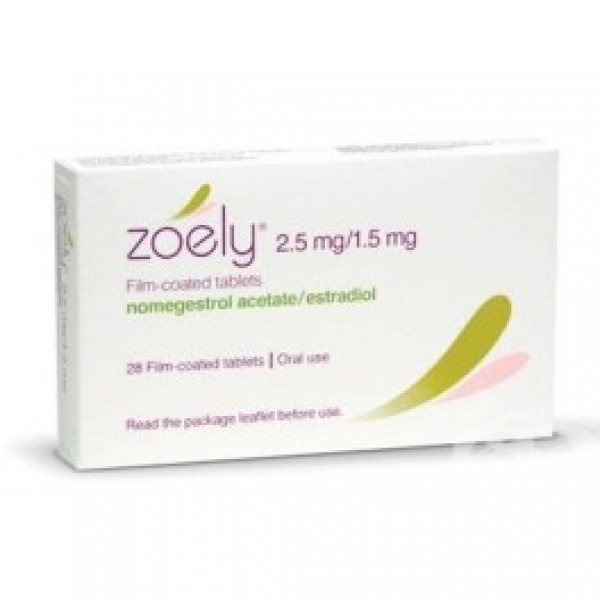
ZOELY 2.5 mg. / 1.50 mg. 28 tablets
Product Code: ZOELY 2.5 mg. / 1.50 mg. 28 tablets
Availability: In Stock
Product viewed: 1833


ZOELY 2.5 mg. / 1.50 mg. 28 tablets
WHAT ZOELY AND WHAT IT IS USED
Zoely is a contraceptive agent to be used for contraception.
All 24 white film-coated tablets are active and contain a small amount of two different female hormones. These are nomegestrol acetate (a progestogen) and estradiol (estrogen).
Four yellow tablets are inactive tablets that do not contain hormones and are called placebo tablets.
Contraceptive pills that contain two different hormones, like Zoely, are called 'combined pills'.
Estradiol, estrogen in Zoely, is identical to the hormone that is produced in your ovaries during the menstrual cycle.
Nomegestrol acetate, progestagen in Zoely, is derived from the hormone progesterone. Progesterone is produced in your ovaries during the menstrual cycle.
2. BEFORE YOU USE ZOELY
General comments
Before you can start taking Zoely, your doctor will ask you several questions about your health and that of your relatives. The doctor will measure your blood pressure and, depending on your condition, you may do some additional research.
In this leaflet, several situations are described where you should stop taking the tablets or that their reliability can be reduced. In such situations, or should not have sex or you should take extra non-hormonal contraceptive precautions, eg. to use a condom or other barrier method. Do not use rhythm or temperature method. These methods may not be reliable due to the fact that the tablet affect the normal changes in temperature and cervical mucus that occur during the menstrual cycle.
Zoely, like other hormonal contraceptives, does not protect against HIV infection (AIDS) or other sexually transmitted diseases time.
Do not use Zoely
In some situations you should not use combined contraceptive.
Before you start using Zoely, tell your doctor if any of the following conditions apply to you. Your doctor may advise you to use a different (non-hormonal) method of birth control:
if you are allergic (hypersensitive) to estradiol or nomegestrol acetate, or any of the other ingredients of Zoely;
If you have (or have had) a blood clot in a blood vessel (venous thrombosis) of your legs, lungs (pulmonary embolism) or other organs. For possible signs of a blood clot see section 2 'Blood clots (thrombosis) ";
if you have ever had a heart attack or stroke;
If you have (or have had) a condition that may be a first sign of a heart attack (such as angina, which occurs with severe chest pain) or stroke (such as transient ischemic attack [PEP - lightweight reversible stroke]);
if you have a condition that may increase the risk of a blood clot in the arteries. This applies to the following diseases:
diabetes with damaged blood vessels;
very high blood pressure;
very high levels of blood fats (cholesterol or triglycerides);
if you have impaired blood clotting - for instance protein C deficiency;
If you have (or had) a type of migraine called "migraine with aura";
If you have (or have had) inflammation of the pancreas (pancreatitis) associated with elevated lipids in your blood;
If you have (or have had) severe liver disease and your liver is still not functioning normally;
If you have (or have had) a benign or malignant tumor in the liver;
If you have (or have had), or you might have, breast or genitals;
if you have unexplained vaginal bleeding.
If any of these conditions appear for the first time while using Zoely, stop taking it and contact your doctor. Meanwhile, use non-hormonal contraceptives. Also see also "General remarks" given in paragraph 2 above.
Take special care with Zoely
When should you contact your doctor
Contact your doctor as soon as possible:
if you notice changes in your health, especially if they involve symptoms described in this leaflet (see also section 2 "Do not use Zoely"; remember the changes in the health of your family members);
if you feel a lump in your breast;
if symptoms of angioedema such as swollen face, tongue and / or throat and / or difficulty swallowing, or rash with or without wheezing;
if you intend to use other medicines (see also section 2 "Taking other medicines");
if you are immobilized or you stand for surgery (tell your doctor at least four weeks in advance);
if you have unusual, heavy vaginal bleeding;
if you forget two or more tablets in the first week of taking new blister and the previous week you had sexual intercourse (see also section 3 "If you forget to take Zoely");
if you have severe diarrhea;
if you miss your period and you think you may be pregnant (do not start taking tablets from the next blister pack until your doctor tells you to take them, see also section 3 "If you miss one or more menstrual").
Stop taking the tablets immediately and contact your doctor if you notice signs of blood clots. These symptoms are described in section 2 'Blood clots (thrombosis). "
In some situations you should pay special attention to the use of combined contraceptives.
Tell your doctor if any of the following applies to you. You should also tell your doctor if the condition develops or worsens while taking Zoely.
If you have hereditary angioedema. Immediately consult your doctor if you experience symptoms of angioedema such as swollen face, tongue and / or throat and / or difficulty swallowing, or rash with or without wheezing. Products containing oestrogens may induce or worsen symptoms of angioedema;
If your close relative has or ever had breast cancer;
If you have epilepsy (see section 2 "Taking other medicines");
If you have liver disease (e.g., jaundice) or gallbladder disease (for instance gallstones);
If you have diabetes;
If you suffer from depression;
If you have Crohn's disease or ulcerative colitis (chronic inflammatory bowel disease);
If you have systemic lupus erythematosus (a disease that affects your immune system);
If you have haemolytic uraemic syndrome (a bleeding disorder that causes kidney failure);
If you have sickle cell anemia (an inherited disease of the red blood cells);
If you have elevated fatty acid levels in the blood (hypertriglyceridemia) or a positive family history for this condition (familial hypertriglyceridemia). If so, you may have an increased risk of developing pancreatitis (inflammation of the pancreas) when using combined pills;
If you have a condition that occurred for the first time or worsened during pregnancy or previous use of sex hormones (eg. Hearing loss, porphyria [a disease of the blood], herpes gestationis [skin rash with vesicles during pregnancy ], Sydenham's chorea [a disease in which can occur sudden body movements] (see section 2 'When should you contact your doctor');
If you have (or have had) chloasma [yellowish-brown pigment patches, so called "pregnancy patches", especially on the face]. In that case, you should avoid prolonged exposure to sunlight or ultraviolet light;
If you need surgery or if you are a long time immobilized (see section 2 'Blood clots (thrombosis) ").
Blood clots (thrombosis)
Blood clots in a vein
Blood clots in a vein (known as a 'venous thrombosis') can block the vein. This can happen in veins of the leg, lung (pulmonary embolism) or any other body.
The use of the combined pill increases the risk of developing such clots compared with acceptance of the combined pill. The risk of developing a blood clot in a vein is highest during the first year in which the woman accepts tablets. The risk is not as high as the risk of developing a blood clot during pregnancy.
The risk of developing blood clots in the vein when taking combined contraceptives increases further:
with age;
if one of your close relatives has had a blood clot in the leg, lung or other organ at a young age;
if you are overweight;
if you have surgery or you have to be immobilized for long due to injury or illness, or if your leg is in cast.
If this applies to you, it is important to tell your doctor that you are taking Zoely, as may be necessary to discontinue treatment. Your doctor may tell you to stop taking hormonal contraception several weeks before surgery or while you are less mobile. Your doctor will also tell you when, after you've recovered, you can again start taking Zoely.
Blood clot in an artery
The formation of a blood clot in an artery can cause serious problems. For example, the formation of a blood clot in an artery of the heart can cause heart attack, and in an artery of the brain can cause strokes.
The use of combined contraceptives is associated with an increased risk of clot formation in the arteries. This risk increases further:
with age;
if you smoke. When using a hormonal contraceptive like Zoely it is advisable to stop smoking, especially if you are older than 35 years;
if you are overweight;
if you have high blood pressure;
if your close relative has had a heart attack or stroke at a young age;
if you have high blood fats (cholesterol or triglycerides);
if you get migraines;
if you have problems with your heart (valvular defects, arrhythmias).
Symptoms of thrombosis
Stop taking tablets and contact your doctor immediately if you notice possible signs of a blood clot, such as:
unusual sudden cough;
pain in the chest which may reach the left arm;
shortness of breath;
any unusual, severe or long-lasting headache or worsening of migraine;
partial or complete loss of vision or double vision;
slurred speech or speech disorder ability;
sudden changes of hearing, smell or taste;
dizziness or fainting;
weakness or numbness in any part of your body;
acute abdominal pain;
pain or swelling of the feet.
Recovery after thrombosis is not always complete. Rarely can appear permanent damage or be fatal thrombosis.
Immediately after birth, women are at increased risk of blood clots, so ask your doctor how soon after birth can start taking combined contraceptives.
Cancer
In women combined contraceptives, breast cancer is detected less often, but it is not known whether this is a result of combined contraceptives. For example it may be due to the fact that the tumors were found more often in women receiving combined contraceptives because they are examined more often by a physician. After discontinuation of combined contraceptives increased risk gradually decreases.
It is important to check your breasts regularly and if you feel a lump, contact your doctor. Also you should tell your doctor if your close relative has or has had breast cancer (see section 2, "Take special care with Zoely").
In rare cases, women taking contraceptives, there are reports of benign (noncancerous) liver tumors, and in even rarer cases - development of malignant (cancerous) tumors of the liver. Contact your doctor if you have unusual severe abdominal pain.
Cancer of the cervix is caused by infection with human papilloma virus (HPV). There are reports that occurs more frequently in women who were taking contraceptives for a long time. It is unknown whether this is due to hormonal contraceptives or other factors such as difference in sexual behavior.
Laboratory tests
If you are a blood test or urine, tell your doctor that you are using Zoely, as this may affect the results of some research.
Use in Adolescents
No data on the efficacy and safety of Zoely in girls under 18 years.
Using other medicines
Please tell your doctor or pharmacist if you are taking or have recently taken any other medicines, including medicines obtained without a prescription or herbal medicines. Also tell any other doctor or dentist who prescribes another medicine (or the pharmacist who leave the drug) that you use Zoely. They can tell you whether you need to take additional contraceptive precautions (barrier method) and, if so, for how long.
There are drugs that can reduce the effectiveness of Zoely in preventing pregnancy or cause unexpected bleeding. These include drugs for the treatment of:
epilepsy (eg. primidone, phenytoin, phenobarbital, carbamazepine, oxcarbazepine, topiramate, felbamate);
tuberculosis (eg. rifampicin);
HIV infections (eg. Ritonavir, nevirapine, nelfinavir, efavirenz);
other infectious diseases (eg. griseofulvin);
high blood pressure in the blood vessels of the lungs (bosentan).
The herbal product St. John's wort can also influence the effect of Zoely. If while taking Zoely want to use herbal products containing St. John's wort must first consult your doctor.
Some medications can increase levels of the active substances of Zoely in the blood. Product performance is maintained but you should tell your doctor if you are using antifungal products containing ketoconazole.
Zoely may affect the way other medicines - such as antiepileptic drug lamotrigine.
Pregnancy and lactation
Zoely must not be used by women who are pregnant, or who think they may be pregnant. If you become pregnant while taking Zoely, you should stop taking Zoely and contact your doctor.
If you want to stop Zoely, because you want to get pregnant, see section 3 'If you stop taking Zoely ".
Usually not recommended for use Zoely during lactation. If you want to use the product while breast-feeding, please ask your doctor.
Ask your doctor or pharmacist before taking any medicine.
Driving and using machines
Zoely is not expected to affect your ability to drive or operate machinery.
Important information about some of the ingredients of Zoely
Zoely contains lactose. If your doctor has told you have an intolerance to some sugars, contact your doctor before taking this medicine.
3. HOW TO USE ZOELY
When and how to take the tablets
Zoely blister contains 28 tablets: 24 white tablets with active ingredients (numbers 1-24) and 4 yellow tablets which do not contain active substances (numbers 25-28).
Every time you start a new blister Zoely, take white active tablet in the upper left corner, marked with number 1 (under the "Home"). Of the seven patches with designated days of the week, select this in the gray column that corresponds to the day you start dosing. For example, if you start on a Wednesday, use the tab labeled "Cp". Stick it on the blister, just above the row of white active tablets where it says "Place day label here". This will allow you to check whether you take your tablet per day. Take one tablet every day at about the same time with a little water, if necessary.
Follow the direction of the arrows on the blister, so first to use the white active tablets and then the yellow placebo tablets.
Your period will begin during the four days in which you use the yellow placebo tablets (so-called bleeding due to discontinuation). It usually begins 2-3 days after the last white active tablet and may not have finished when you start taking the tablets from the next blister.
Start taking tablets from the next blister immediately after the last yellow tablet, even if your period has not been completed. This means that you will always start a new blister on the same day of the week, and that your period will be approximately the same days of the month.
In some women, menstruation may not occur every month during the intake of the yellow tablets. If you are taking Zoely every day according to the instructions, it is unlikely that you are pregnant (see also section 3 "If you miss one or more menstrual").
Starting your first pack of Zoely
When the previous month is not used a hormonal contraceptive
Start taking Zoely on the first day of your menstrual cycle (ie the first day of menstrual bleeding). Zoely will work immediately. It is not necessary to use an additional contraceptive method.
When you switch from another combined hormonal contraceptive (combined tablet, vaginal ring or transdermal patch)
Write a review
Your Name:Your Review: Note: HTML is not translated!
Rating: Bad Good
Enter the code in the box below:
Related Products
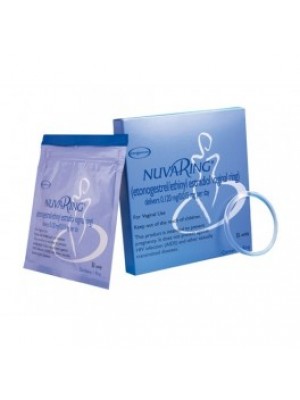
NuvaRing 0.12 mg. / 0.015 mg. - 1 NuvaRing WHAT IS AND WHA..
17.00€
MEDIANA 3 mg. / 0.3 mg. 21 tabletsWhat is Mediana 28 and wha..
19.00€