
Your shopping cart is empty!
Welcome visitor you can login or create an account.
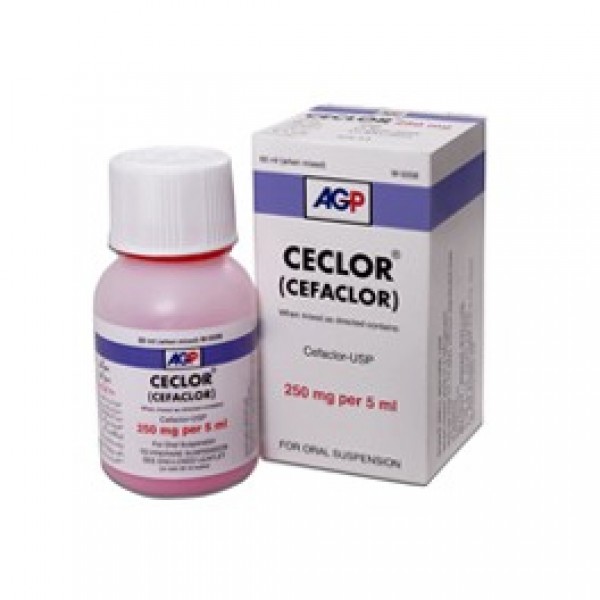
Ceclor syrup 250 mg. / 5 ml.
Product Code: Ceclor syrup 250 mg. / 5 ml.
Availability: In Stock
Product viewed: 2709


Ceclor syrup 250 mg. / 5 ml.
What is in your medicine?
Its active substance is Cefaclor / cefaclor /.
In 5 ml of the suspension contains 250 mg of cefaclor. It further comprises non-active ingredients, corn starch, dimethicone, xanthan gum, sucrose, methyl cellulose, and a flavoring agent, a strawberry.
Ceclor antibiotic. Antibiotics help the body fight infection. Ceclor works by destroying certain bacteria that cause infection.
Why Ceclor?
Ceclor is used to treat infections of the ear, nose and throat; bronchitis and pneumonia; cystitis and kidney infections; skin infections such as boils and infected wounds.
Before being treated with Ceclor?
You must make sure that this drug is safe for you or your child should not be given to babies under one month.
If you answer YES to any of these questions or are not sure, talk to your doctor:
- Have you ever had an allergic reaction to antibiotics such as penicillin or cephalosporins, or other type of medicine?
- Do you have kidney problems or are on dialysis?
- Are you pregnant or could you have?
- Have you ever had colitis?
- Are breast feeding you?
- Are you diabetic? Ceclor may interact with certain sugar tests
- Are you taking any other medicines, especially warfarin?
Rarely Ceclor may increase the effects of warfarin.
How to apply Ceclor
Usual dose:
Adults: Take one 5ml teaspoon / 250 mg / tid
Children: The dosage depends on the weight of the child. The usual dose is 20 mg / kg / body weight in divided doses every 8 hours.
Nice shake the bottle with the solution before use.
You should take the medicine for as long as you have been told your doctor. Period is usually 7 to 14 days. Do not stop taking it when you feel better, because then you may feel worse.
If you forget to take a dose, take it as soon as you can. If you miss several doses, tell your doctor.
do not take more medicine than you have been told your doctor.
While being treated with Ceclor
Ceclor can cause side effects such as diarrhea, nausea or vomiting, vaginal discharge or itching, dizziness or trouble sleeping.
in rare cases, a child may become hyperactive during treatment with Ceclor.
If your skin becomes itchy or red or swollen, or if you have joint pain, headaches, difficulty breathing, stop taking the medicine and tell your doctor immediately.
A few patients have been observed confusion, nervousness, drowsiness, or hallucinations. Rarely, studies have shown transient changes in the function of the liver and kidneys.
Write a review
Your Name:Your Review: Note: HTML is not translated!
Rating: Bad Good
Enter the code in the box below:
Related Products
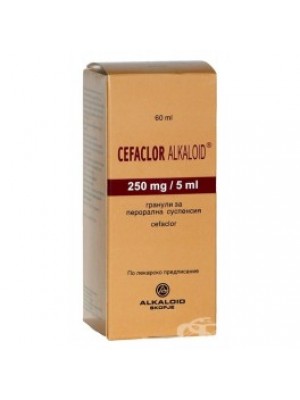
Cefaclor syrup 250 mg. / Ml 5. 60 ml.WHAT cefaclor alkaloids..
12.00€
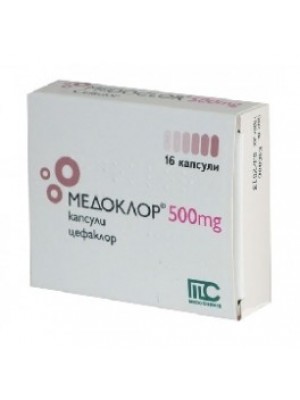
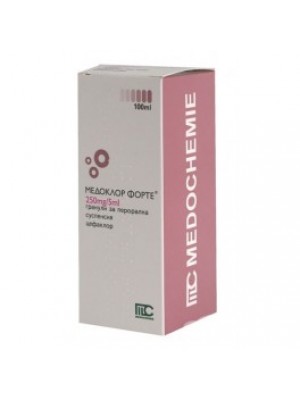
MEDOCLOR 250 mg. / 5 ml. 100 ml.WHAT MEDOCLOR AND WHAT IT IS..
25.00€
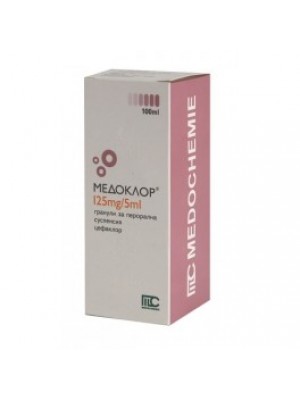
MEDOCLOR 125 mg. / 5 ml. 100 ml.WHAT MEDOCLOR AND WHAT IT IS..
19.00€