Your shopping cart is empty!
Welcome visitor you can login or create an account.
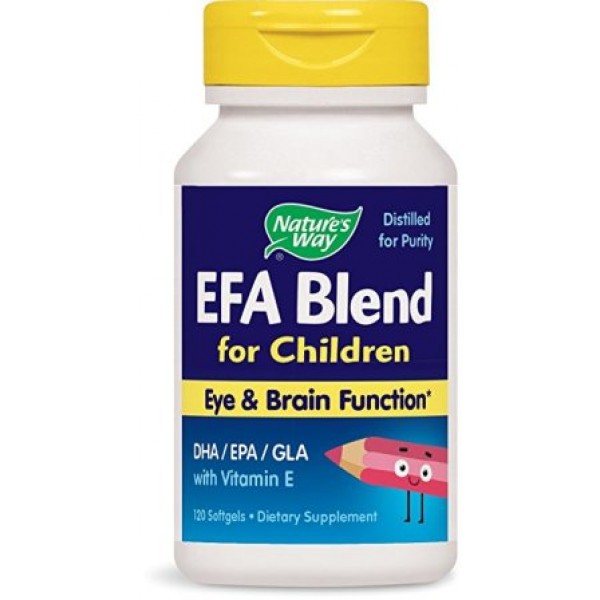
EFA BLEND FOR CHILDREN 60 capsules
Product viewed: 2500


What is Aflamyl and what it is used for
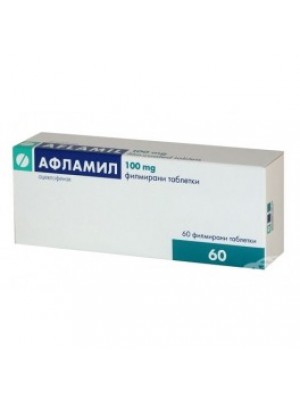
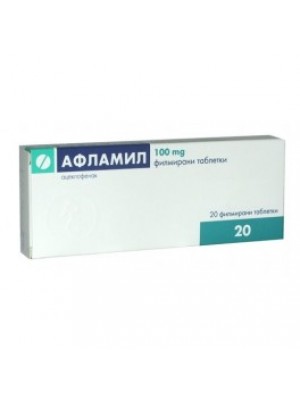
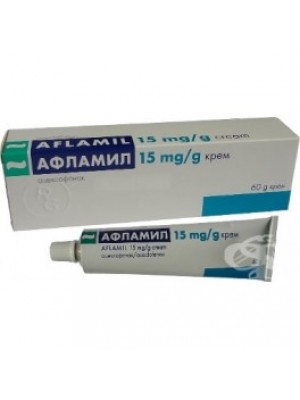
Aflamil is a painkiller and anti-inflammatory medicine.
Aflamyl belongs to a group of medicines called non-steroidal anti-inflammatory and anti-rheumatic agents.
Your doctor will prescribe Aflamyl for the treatment of conditions with severe inflammation and pain such as back pain (lumbago), toothache, menstrual pain or joint pain.
Aflamill can be used to treat chronic joint diseases with chronic pain and inflammation such as chronic articular cartilage (osteoarthritis), inflammation of the joint or joints of rheumatoid origin (rheumatoid arthritis) and arthritis affecting one or more of the intervertebral joints of the spine and leads to adherence and stiffness of the joint bones (ankylosing spondylitis) or other painful motor disorders (eg, humus-pulpular periarthritis and extraarticular rheumatism.
2. What you need to know before taking Aflamyl
Do not take Aflamyl:
if you are allergic to aceclofenac or any of the other ingredients of this medicine (listed in section 6);
if you have had asthma, narrowing of the airway, acute rhinitis, skin rash or other allergic reactions after taking acetylsalicylic acid (eg aspirin) or other non-steroidal anti-inflammatory medicine;
if you suffer from / have suffered from stomach ulcer or duodenal ulcer or gastrointestinal haemorrhage;
if you suffer from any bleeding disorder (increased bleeding risk);
if you suffer from severe liver disease;
if you suffer from severe kidney disease;
in the case of pregnancy (especially during the last 3 months).
Warnings and precautions
Talk to your doctor, pharmacist or nurse before taking Aflamyl:
if you have a history of gastric ulcer or duodenal ulcer, bleeding or perforation or inflammatory disease (ulcerative colitis, Crohn's disease), as they may get worse;
if you have cerebrovascular bleeding in your anamnesis;
if you have mild to moderate liver or kidney disease or have a tendency to keep fluid in your body for some other reason;
if you suffer from mild to moderate heart failure or high blood pressure;
if you suffer from some blood disorder (as it may get worse);
if you have a rare skin disorder called systemic lupus erythematosus (SLE);
if you have suffered in the past / or you still suffer from bronchial asthma;
if you have a particular metabolic disorder called porphyria.
Medicines such as Aflamil may be associated with a slightly increased risk of heart attack ("myocardial infarction") or stroke. Any risk is more likely at high doses and prolonged treatment. Do not exceed the recommended dose and duration of treatment.
If you have heart problems, peripheral arterial disease or if you have a stroke or think you may be at risk from these conditions (for example, if you have high blood pressure, diabetes or high cholesterol, or are a smoker), you should discuss treatment with your doctor or pharmacist.
Serious skin reactions have been reported very rarely with regard to the use of medicines such as Aflamyl (see section 4). As with other non-steroidal anti-inflammatory drugs, serious allergic reactions may occur without prior drug use. Life-threatening dermatological conditions, some of which fatal (called exfoliative dermatitis, Stevens Johnson syndrome and toxic epidermal necrolysis) have been reported very rarely in association with the use of anti-inflammatory drugs such as aceclofenac. The main symptoms of these conditions are: rash, itching, hives, blistering of the skin, fever. Patients have the highest risk of such reactions at the beginning of the course of treatment and the occurrence of a reaction occurs in the majority of cases during the first month of treatment. Treatment with Aflamyl should be discontinued at the first onset of skin rash or other signs of hypersensitivity.
Aflamyl should not be used in the case of chickenpox.
In rare cases, Aflamyl can cause gastrointestinal ulcers and bleeding or perforation. This could happen at any time with or without warning symptoms. If you notice any abdominal symptoms, especially if you are elderly, you should contact your doctor.
Children
The use of Aflamil in children is not recommended due to a lack of data on safety and efficacy.
Other medicines and Aflamyl
Tell your doctor or pharmacist if you are taking, have recently taken or might take any other medicines.
Some medicines can affect Aflamyl. In these cases, it may be necessary to change the dose or discontinue treatment with these medicines.
This is especially important when you are taking any of the following medicines:
lithium (to treat mental problems);
digoxin (for the treatment of heart failure or arrhythmias);
diuretic
steroidal anti-inflammatory agents such as betamethasone and prednisolone;
acetylsalicylic acid and other painkillers (so-called non-steroidal anti-inflammatory agents);
zidovudine (HIV medication).
Aflamyl with food and beverages
Aflamil may also be taken during meals.
Pregnancy, breastfeeding and fertility
If you are pregnant or breast-feeding, think you may be pregnant or plan to become pregnant, ask your doctor or pharmacist for advice before taking this medicine.
Aflamill may make pregnancy difficult. You should inform your doctor if you are planning to become pregnant or if you have problems getting pregnant.
The use of Aflamil should be avoided if you are pregnant (especially during the last 3 months) or plan to become pregnant.
It is not known if Aflamyl is excreted in breast milk. Tell your doctor before taking Aflamil if you are pregnant or breast-feeding.
Driving and using machines
Do not drive or use dangerous instruments or machines if you experience dizziness, dizziness or other central nervous system disruptions while taking Aflamam.
Aflamyl contains sorbitol. Each sachet of Aflamyl contains 2.64 g of sorbitol, which can cause stomach complaints and diarrhea. If you have been told by your doctor that you have an intolerance to some sugars, contact your doctor before taking this medicinal product.
Aflamil contains aspartame. Aflamil contains aspartame (10 mg aspartame per sachet). It contains a source of phenylalanine. It can be harmful to people with phenylketonuria. Patients with phenylketonuria should note that each sachet contains 5.61 mg of phenylalanine.
3. How to take Aflamyl
Always take this medicine exactly as your doctor or pharmacist has told you. If you are not sure, ask your doctor or pharmacist.
The recommended daily dose is 200 mg, one sachet in the morning and one evening (one sachet every 12 hours) dissolved in about fifty milliliters of water.
Talk to your doctor or pharmacist if you think the effect of Aflamyl is too strong or too weak.
Elderly patients
The dose should be determined by your doctor, and you should periodically undergo a checkup.
Kidney and heart disease
The dose should be determined by your doctor, and you should periodically undergo a checkup.
Liver disease
The recommended starting dose should be reduced to one sachet.
Continuous treatment
If long-term treatment with Aflamyl is administered, your doctor will perform control laboratory tests, liver and kidney function, at regular intervals of blood count.
If you take more than the appropriate dose of Aflamyl
Instantly consult your doctor or pharmacist or go to the emergency room of the nearest hospital. Please bring this leaflet with you.
If you forget to take Aflamyl
Do not worry. Do not take a double dose to make up for the missed dose. Take your next dose at the usual time.
If you stop taking Aflamyl
The duration of treatment will be determined by your doctor. Do not stop the treatment in advance, even if you feel better.
If you have any further questions on the use of this medicine, ask your doctor, pharmacist or nurse.
4. Possible side effects
Like all medicines, this medicine can cause side effects, although not everyone gets them. Most of these are mild and disappear after the withdrawal of Aflamill.
The frequency of side effects is defined as follows:
very common: may affect more than 1 in 10 people;
common: may affect up to 1 in 10 people;
uncommon: may affect up to 1 in 100 people;
rare: may affect up to 1 in 1,000 people;
very rare: may affect up to 1 in 10,000 people;
not known: can not be estimated from the available data.
Common side effects: dizziness, indigestion, abdominal pain, nausea, diarrhea and abnormal liver function tests.
Uncommon side effects: flatulence, gastritis (inflammation of the stomach lining), constipation, vomiting, inflammation of the mucous membranes of the mouth (mouth ulceration), itching and rash, skin irritation, hives, abnormal results in kidney tests.
Rare side effects: gastrointestinal ulcer and bleeding, melaena (black "tar" stools associated with gastrointestinal haemorrhage), bloody diarrhea, worsening of high blood pressure, heart failure, dyspnoea (difficulty in breathing or shortness of breath, (an abnormally low number of red blood cells or a deficiency in their hemoglobin content), swelling of the egg, tongue or throat, allergic reactions (hypersensitivity, including lno severe allergic reactions called anaphylactic shock), visual disturbance.
Very rare side effects: reduced bone marrow function, abnormally low white blood cell counts and blood platelets, anemia due to red blood cell breakdown, high potassium levels and liver enzymes in the blood, depression, sleep disturbances (insomnia) , abnormal dreams, paresthesia, tremor (rhythmic, involuntary movements), drowsiness, headache, damage or taste disturbances, inflammation of the mucous membranes of the mouth, pancreatitis (inflammation of the pancreas), hepatic impairment including hepatitis (blood clotting), bleeding in the vomit, vertigo (vertigo), tinnitus (ringing of ringing or other sounds without an external cause), purpura (multiple small bleeding in the skin), eczema, severe skin reactions, edema (swelling of the feet, or facial flushing), muscle cramps in the legs, impaired renal function, kidney failure, palpitations (unpleasant sensations of irregular and / or accelerated heartbeat), vasculitis (inflammation of the blood vessels), fatigue, flushing, breathing difficulties, weight gain perforation of the intestine, exacerbation of gastrointestinal inflammatory diseases (ulcerative colitis, Crohn's disease).
Medicines such as Aflamil may be associated with a slightly increased risk of heart attack ("myocardial infarction") or stroke. There have been reports of edema (fluid retention), high blood pressure and heart failure in connection with drugs that act similarly to Aflamyl.
As an exception, there were complications during smallpox (varicella).
Bullous skin reactions (including Stevens Johnson syndrome and toxic epidermal necrolysis, see section 2) and inflammation of the kidney have been reported very rarely with the use of non-steroidal anti-inflammatory drugs.
You should stop taking Aflamil and go to your doctor immediately if you get allergic symptoms such as:
swelling of the face, tongue or throat;
swallowing difficulties;
hives and difficulty in breathing.
If you get any side effects, talk to your doctor, pharmacist or nurse. This includes all possible side effects not listed in this leaflet.
5. How to store Aflamyl
Keep out of the reach and sight of children.
This medicinal product does not require any special storage conditions.
Do not use Aflamil after the expiry date which is stated on the carton. The expiry date refers to the last day of that month.
The medicine should not be disposed of via wastewater or household waste. Ask your pharmacist how to dispose of your unnecessary medicines. These measures will help to protect the environment.
6. Package Contents and Additional Information
What AFLAMIL contains
The active substance is aceclofenac (aceclofenac)
Each sachet contains 100 mg aceclofenac.
Other Ingredients:
Sorbitol;
Saccharin sodium;
Aspartame (E951);
Silica, colloidal anhydrous;
Hypromellose;
Titanium dioxide (E171);
Essence of milk;
Essence of caramel;
Essential cream
What Aflamyl looks like and contents of the pack
Appearance:
White or creamy white powder with a flavor typical of the essences used.
Package:
3 g powder in single-dose paper / Al / LDPE sachet. 20 single dose sachets are packed in a folding carton.
Write a review
Your Name:Your Review: Note: HTML is not translated!
Rating: Bad Good
Enter the code in the box below:
Related Products