Your shopping cart is empty!
Welcome visitor you can login or create an account.
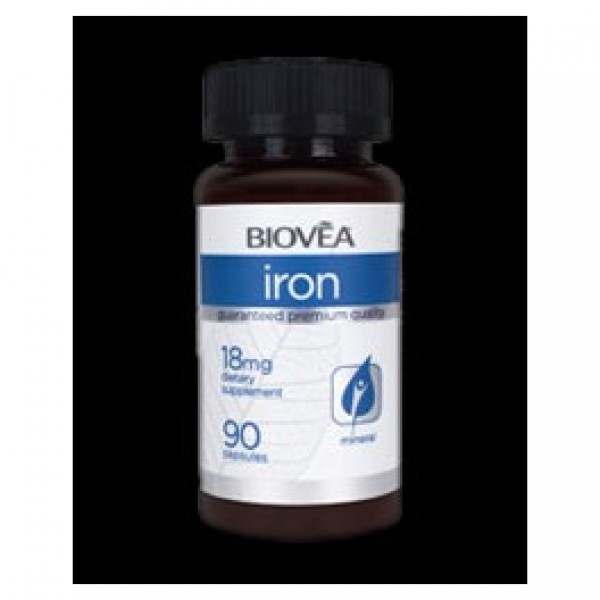
IRON 18 mg. 90 capsules
Product Code: IRON 18 mg. 90 capsules
Availability: In Stock
Product viewed: 839


IRON 18 mg. 90 capsules
Iron is an essential nutrient which plays an important role in the formation of healthy red blood cells and transporting oxygen.
• Helps prevent many disorders including iron deficiency anemia
• It is used to treat restless legs syndrome
• Vegetarian Capsules
• Women tend to suffer from iron deficiency because they tend to eat foods low in iron and lose iron through menstruation.
What is Iron?
Iron is an essential mineral and an important component of proteins involved in oxygen transport and metabolism. Almost two-thirds of the iron in your body is found in hemoglobin, the protein in red blood cells that carries oxygen to the tissues in your body. Smaller amounts of iron were found in myoglobin, a protein that helps supply oxygen to the muscles, and enzymes that assist biochemical reactions in the cells. About 15 percent of your body's iron is stored for future needs and mobilized when dietary intake is inadequate.
The rest is in the body tissues as part of proteins that help your body to function. Older men and post-menopausal women lose very little iron except through bleeding. Women with heavy monthly periods can lose a significant portion of iron. Your body is generally maintained a normal amount of iron by controlling the amount of iron absorbed from the diet. The liver is one of the most iron-rich foods. Other sources of iron-rich foods are fish and birds. Dried beans and vegetables are the best plant sources, followed by dried fruits, nuts and whole grain breads and cereals.
Why accept Iron?
Iron is necessary for oxygen transport in the body by red blood cells. He is also involved in converting blood sugar into energy. It provides an important building block for the production of enzymes that are related to the construction of new cells, amino acids, hormones and neurotransmitters.
Other important activities requiring iron include liver detoxification, the metabolism of fatty acids and the synthesis of carnitine and neurotransmitters serotonin and dopamine. Iron is essential for the production of collagen and elastin that provide structural integrity and elasticity of the organs and tissues.
What people are prone to iron deficiency?
Vegetarians eat less iron than non-vegetarians. As a result, vegetarians have reduced amounts of iron stores. However, iron deficiency can occur not only by intake of foods with a low iron content. The main reason can be for example the loss of iron during the menstrual cycle.
Pregnant women, runners, people taking aspirin, those who have parasitic infections, hemorrhoids, ulcers, ulcerative colitis, Crohn's disease, cancer of the gastrointestinal tract or other disorders that cause blood loss or malabsorption are prone to iron deficiency.
Infants living in inner city areas may be at increased risk of iron deficiency anemia and as a result, suffer more often from developmental delays. Supplementation of infant formula with iron to 18 months of age has been shown to reduce the risk of iron - deficiency anemia and reduce the decline in mental development. This result was observed in some studies with such children, but not all.
Retention of breath is a common problem that affects about 27% of healthy children. These variations have been associated with iron deficiency anemia. Several studies have reported an improvement in this disorder, due to the intake of supplements containing iron.
Caution:
• If you are pregnant or breast-feeding consult your doctor before using Iron.
• iron poisoning occurs only in exceptional cases of overdose. For this reason, keep iron supplements out of reach of children. Accidental overdose of iron-containing products is a leading cause of fatal poisoning in children under 6 years.
• Excessive intake of iron can cause nausea, vomiting, constipation and black stools.
Ingredients:
• Iron (such as iron bisglycinate): 18mg
Other ingredients: rice flour, magnesium stearate, cellulose.
Dosage:
Take one (1) capsule daily with meals.
Write a review
Your Name:Your Review: Note: HTML is not translated!
Rating: Bad Good
Enter the code in the box below:
Related Products