Your shopping cart is empty!
Welcome visitor you can login or create an account.
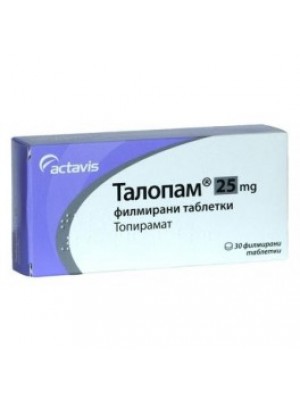
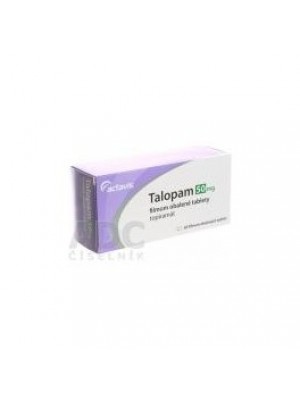
TALOPAM 100 mg. 30 tablets
Product Code: TALOPAM 100 mg. 30 tablets
Availability: In Stock

Product viewed: 990


TALOPAM 100 mg. 30 tablets
What is Talopam and what is it used?
Talopam belongs to a group of medicines called "antiepileptic medicines." Talopam used:
• for self-treatment of epileptic seizures in adults and children aged over 6 years.
• together with other medicines to treat seizures in adults and children aged over two years.
• for the prophylaxis of migraine headaches in adults.
2. What you need to know before taking Talopam?
Do not take Talopam
- If you are allergic to topiramate or any of the other ingredients of Talopam (listed in section 6).
- In migraine prevention if you are pregnant or may become pregnant but are not using effective contraception (see. Point "pregnancy and lactation" for further information).
If you are not sure if the above applies to you, talk to your doctor or pharmacist before taking Talopam.
Warnings and Precautions
Talk to your doctor or pharmacist before using Talopam if:
• you have kidney problems, especially kidney stones or if you are on renal dialysis;
• have a record of abnormalities of the blood and body fluids (metabolic acidosis);
• have liver problems;
• have eye problems, especially glaucoma; have a problem with growth;
• you have a diet high in fat (ketogenic diet).
If you are not sure if any of the above applies to you, ask your doctor or pharmacist before taking Talopam.
It is important not to stop taking your medication without first consulting your doctor.
Also, you should consult with your doctor before taking medicine containing topiramate that is given to you as an alternative to Talopam.
Your weight may be reduced if you take Talopam and therefore should be measured regularly when using this medicine. If you lose too much weight or if a child taking the medicine is not gaining enough weight, you should consult your doctor.
If you feel you need more air and you breathe deeply, you have shortness of breath, lack of appetite, nausea, vomiting, extreme fatigue, rapid or irregular heartbeat tell your doctor to prescribe appropriate testing.
In young children treated with topiramate, which are exposed to high temperatures can occur in less swelling and fever.
During treatment with topiramate in adults impair cognitive function. In such cases, your doctor will decide whether to lower the dose or discontinue the treatment. For children there is insufficient data from studies in this direction.
Small number of people being treated with anti-epileptic drugs such as topiramate have had thoughts of harming or killing themselves. If these occur, immediately contact your doctor.
Other medicines and Talopam
Tell your doctor or pharmacist if you are taking, have recently taken or might take any other medicines, including medicines obtained without a prescription, vitamins and herbal medicines. Talopam and certain other medicines can interact. Sometimes dosage adjustment of any of the other medicines you are taking, or that of Talopam.
In particular, tell your doctor or pharmacist if you are taking:
• other drugs that affect or diminish your mental process, the concentration or muscle coordination (e. Depressants of the central nervous system such as skeletal muscle relaxants and sedatives);
• birth control pills. Talopam may reduce the effectiveness of birth control.
Tell your doctor if your menstrual bleeding changes during the use of contraceptives and Talopam.
Keep a list of all medications you are taking. Show it to your doctor and pharmacist before taking a new medicine.
Other medicines you should discuss with your doctor or pharmacist include antiepileptic drugs, risperidone, lithium, hydrochlorothiazide, metformin, pioglitazone, glyburide amitriptipin, propranolol, diltiazem, venlafaxine, flunarazin. If not Cre sure if any of the above applies to you, ask your doctor or pharmacist before taking Talopam.
Talopam food, beverages and alcohol
You can take Talopam with or without food. Take plenty of fluids during the day to prevent the formation of kidney stones during the use of Talopam. You should avoid alcohol while taking Talopam.
Pregnancy, lactation and fertility
If you are pregnant or breast-feeding, think you may be pregnant or planning to become pregnant, ask your doctor or pharmacist before taking this medicine. Your doctor will decide whether you can take Talopam. As with other antiepileptic drugs, there is a risk of harm to the fetus in case of use of Talopam during pregnancy. Get to know the risks and benefits of using Talopam epilepsy during pregnancy.
DO NOT take Talopam for migraine prevention if you are pregnant or could become pregnant and are not using effective contraception (birth control). Mothers who breastfeed while taking Talopam should inform your doctor as soon as possible if the baby appears unusual. Ask your doctor or pharmacist before taking any medicine.
Driving and using machines
During treatment with Talopam may appear dizziness, fatigue and vision problems. Do not drive or operate any tools or machinery without first checking with your doctor.
3. How to take Talopam?
Always take this medicine exactly as prescribed by your doctor or pharmacist. If you are not sure, ask your doctor or pharmacist.
• Take Talopam exactly as prescribed. Normally your doctor will start you on a low dose and gradually Talopam increase it until it reaches the optimal dose for you.
Talopam tablets should be swallowed whole. Avoid chewing the tablets because leave a bitter taste in the mouth.
• Talopam may be administered before, during or after meals. Take plenty of fluids during the day to prevent the formation of kidney stones during the use of Talopam.
If you take more dose Talopam
• Immediately see a doctor. Bring with you the pack.
• Signs and symptoms of overdose include convulsions, drowsiness, speech disorders, double vision, abnormal thinking, abnormal coordination, dull consciousness, low blood pressure, pain in the abdomen, agitation, dizziness and depression.
You can overdose if you are taking other medicines together with Talopam.
If you forget to take Talopam
• If you forget to take a dose, do it as soon as you remember. If, however, already has become almost time for your next dose, skip the missed dose and continue your regular schedule. If you miss two or more doses, contact your doctor.
• Do not take a double dose (two doses at the same time) to make up the missed dose. If you are a cheese intake Talopam
Do not stop taking medication unless advised by your doctor. Your symptoms may return. If your doctor decides to stop treatment with Talopam, your dose may be decreased gradually over a few days.
If you have any further questions on the use of this product, ask your doctor or pharmacist.
4. Possible side effects
Like all medicines, this medicine can cause side effects, although not everybody gets them.
The frequency of possible side effects listed below is presented using the following convention: very common (affects more than I in 10 patients), common (affects I and 10 patients in 100) uncommon (affects 1 to 10 patients in 1000 ), rare (affects 1 to 10 users in 10,000) very rare (affects less than 1 in 10,000 patients), not known (from the available data can not be estimated) Very common side effects include:
• weight loss
• numbness in hands and feet
• drowsiness
• dizziness
• diarrhea
• nausea
• stuffy nose, runny nose and sore throat
• tiredness
• depression.
Common side effects include:
• changes in mood or behavior, including anger, nervousness, sadness
• weight gain
• decreased appetite or loss of appetite
• decreased number of red blood cells
• changes in thinking and alertness, including confusion, problems with concentration, memory, slow thinking
• difficulty speaking
• clumsiness or difficulty walking
• involuntary trembling of the hands, fingers or toes
• reduced senses of touch or touch
• involuntary eye movement
• disturbed sense of taste
• impaired vision, blurred vision, double vision
• tinnitus
• earache difficulty breathing
• bleeding from the nose
• vomiting
• constipation
• stomach pain
• indigestion
• dry mouth
• tingling or numbness of the mouth, kidney stones
• frequent urination
• painful urination
• hair loss
• skin rash and / or itching of the skin
• joint pain
• muscle spasms, convulsions, muscle or muscle weakness
• pain in the chest area
• fever
• fatigue
• allergic reaction.
Uncommon side effects include:
• crystals in urine
• changes in blood counts, including reduced white blood cells or platelets or an increased number of eosinophils (a type of white blood cell)
• irregular or slow heartbeat
• swollen glands in the neck, armpit or groin
• Rapid stepped speech problems
• increased salivation
• restlessness or increased mental and physical activity
• loss of consciousness
• seizures
• delayed or weakened movements
• disturbed or poor sleep
• impaired or altered sense of smell
• problems with handwriting
• sensation of movement under the skin
• eye problems including dry eyes, light sensitivity, involuntary twitching, tearing and low vision
• weight loss or loss of hearing
• hoarseness of voice
• inflammation of the pancreas
• gases
• heartburn
• loss of sensitivity to touch in mouth
• bleeding gums
• feeling of overflow or bloating
• pain or burning sensation in the mouth
• bad breath
• leakage of urine and / or faeces
• urgent need to urinate
• pain in the kidneys and / or bladder as a result of kidney stones
• decreased sweating or lack of sweating
• discoloration of the skin
• localized swelling of the skin
• swollen face
• swelling of the joints
• stiffness in the musculoskeletal system
• increased levels of acid in the blood low levels of potassium in the blood
• increased appetite
• increased thirst and drinking unusually large amounts of liquids
• low blood pressure or a fall in blood pressure when rising from a sitting / lying down
• hot flushes flu
• coldness (eg. The hands and face)
• problems with learning
• sexual function disorders (erectile dysfunction, loss of libido)
• hallucinations
• reduced verbal communication. Rare side effects include:
• increased skin sensitivity
• impaired sense of smell
• glaucoma, which is the retention of fluid in the eye, leading to increased intraocular pressure, pain and decreased vision
• renal tubular acidosis
• Severe skin reactions, including Syndrome Stevens-Johnson (life-threatening skin condition in which the upper layer of the skin separates from the bottom) and erythema multiforme (a state of swollen red spots, which can be turned into blisters)
• odor
• swelling of the tissues around the eyes
• Raynaud's syndrome (a disorder affecting the blood vessels in the fingers, toes, ears and causing pain and chills)
• calcium deposits in tissues (calcinosis). Side effects with unknown frequency:
• Maculopathy is a disease of the macula - a small point on the retina where vision is most acute. You should consult with your doctor if you notice a change or decrease in your vision
• swelling of the conjunctiva of the eye
• Toxic epidermal necrolysis which is a more severe form of the syndrome of Stevens-Johnson (see. Uncommon side effects).
If you get any side effects, tell your doctor or pharmacist. This includes any possible effects not listed in this leaflet.
5. How to store Talopam?
At temperatures below 25 ° C.
Keep out of the reach and sight of children.
Talopam not use after the expiry date stated on the carton. The expiry date refers to the last day of that month.
Do not dispose of medications in wastewater or household waste. Ask your pharmacist how to dispose of medicines no longer required. These measures will help to protect the environment.
Contents of the pack and other information
What Talopam
• The active ingredient is topiramate. Each tablet contains 25 Talopam, 50, 100 or 200 mg topiramate.
• The other ingredients are: manigol, starch, pregelatinised; cellulose, microcrystalline; croscarmellose sodium, silica colloidal anhydrous; magnesium stearate, a film coating.
Talopam looks like and contents of the pack
Description
Talopam 25 mg-white, round, biconvex film-coated tablets marked VI, size 6 mm;
Talopam 50 mg - light yellow, round, biconvex film-coated tablets marked V3, size 8 mm;
Talopam 100 mg - yellow, round, biconvex film-coated tablets marked V4, amounting to 10 mm;
Write a review
Your Name:Your Review: Note: HTML is not translated!
Rating: Bad Good
Enter the code in the box below:
Related Products