
Your shopping cart is empty!
Welcome visitor you can login or create an account.
TRIPLIXAM 10 mg. / 5 mg. 30 tablets
Product Code: TRIPLIXAM 10 mg. / 5 mg. 30 tablets
Availability: In Stock

Product viewed: 1772


TRIPLIXAM 10 mg. / 5 mg. 30 tablets
What is TRIPLIXAM and what it is used
TRIPLIXAM is a combination of three active ingredients: perindopril, indapamide and amlodipine. It has antihypertensive medicine used to treat high blood pressure (hypertension).
Patients already taking perindopril / indapamide combination with a fixed dose and amlodipine from separate tablets can instead receive one tablet TRIPLIXAM that contains three active ingredients in the same quantity.
Each of the active ingredients reduces blood pressure and they work together to control your blood pressure:
Perindopril belongs to a class of drugs, called angiotensin converting enzyme (ACE) inhibitors. It works by widening the blood vessels, which facilitates your heart to pump blood through them;
Indapamide is a diuretic (it belongs to a class of drugs, called sulfonamide derivatives indole ring). Diuretics increase the amount of urine formed by the kidneys. Indapamide is different from other diuretics, as it only causes a slight increase in the amount of urine formed;
Amlodipine is a calcium antagonist (belongs to a class of drugs, called dihydropyridines). It works by relaxing blood vessels to allow blood to flow more easily through them.
2. What you need to know before taking TRIPLIXAM
Do not take TRIPLIXAM:
if you are allergic to perindopril or other ACE inhibitors, indapamide or other sulfonamides, to amlodipine or other dihydropyridines or any of the other ingredients of this medicine (listed in section 6);
if you have experienced symptoms such as difficulty wheezing, swelling of the face or tongue, intense itching or severe skin rashes with ACE inhibitors in the past, or if you or a member of your family have received similar symptoms in any other circumstances (a condition which is called angioedema);
if you have severe liver disease or suffer from a condition which is called hepatic encephalopathy (brain disease caused by liver disease);
If in doubt, you have untreated decompensated heart failure (severe fluid retention, shortness of breath);
if you are taking non-antiarrhythmic drugs that cause life-threatening irregular heart rhythm (torsades de pointes);
if you have narrowing of the aortic heart valve (aortic stenosis) or cardiogenic shock (a condition in which the heart can not supply the body with enough blood);
if you suffer from heart failure after myocardial infarction (heart attack);
if you have very low blood pressure (hypotension);
if you have low levels of potassium in her blood;
if you have severe kidney problems;
if you are under dialysis;
if you have moderately severe kidney problems (for TRIPLIKSAM doses of 10 mg / 2,5 mg / 5 mg and 10 mg / 2,5 mg / 10 mg);
if you are pregnant after 3 months (unless it is preferable TRIPLIKSAM be avoided in early pregnancy - see. pregnancy section);
if you are breastfeeding;
if you have diabetes or kidney problems are treated with aliskiren.
Warnings and Precautions
Talk to your doctor, pharmacist or nurse before taking TRIPLIKSAM:
if you have hypertrophic cardiomyopathy (heart muscle disease) or renal artery stenosis (narrowing of the artery that supplies the kidney with blood);
if you suffer from heart failure or other heart problems;
if you have severe high blood pressure (hypertensive crisis);
if you have liver problems;
If you suffer from a collagen disease (skin disease) such as systemic lupus erythematosus or scleroderma;
if you have atherosclerosis (hardening of the arteries);
if you need to do your research to check whether your parathyroid gland function normally;
if you suffer from gout;
if you have diabetes;
if you follow a diet with limited intake of salt or use salt substitutes that contain potassium (essential level of potassium in the blood is well balanced);
if you take lithium or potassium-sparing diuretics (spironolactone, triamterene) as their use with TRIPLIKSAM should be avoided (see. "Taking other medicines");
if you are taking aliskiren (medicine to treat hypertension);
if you are elderly and need your dose must be increased;
if you photosensitivity reactions;
if you are from the black (Negroid) race, you may have a higher incidence of angioedema (swelling of face, lips, mouth, tongue or throat, causing difficulty swallowing or difficulty breathing) and less effective in lowering blood pressure;
If you hemodialysis patients, in which dialysis is performed with high-flow membranes;
if you have kidney problems;
if you have excessively high content of the acids in the blood which may lead to shortness of breath;
if you have inadequate cerebral circulation (low blood pressure in the brain);
if you have swelling of the face, lips, mouth, tongue or throat that may cause difficulty swallowing or difficulty breathing (angioedema), it can occur at any time during treatment, stop treatment immediately and directly contact your doctor .
Your doctor may prescribe blood tests to check and detect low levels of sodium or potassium or high calcium levels.
Tell your doctor if you think you are (or plan to become pregnant).
TRIPLIKSAM not recommended in the early stages of pregnancy and should not be used if you are pregnant after 3 months, as it may cause serious harm to your baby if used at that stage (see. "Pregnancy and lactation" ).
While taking TRIPLIKSAM tell your doctor or medical staff:
if you are anesthesia or surgery;
If you have recently had diarrhea or vomiting, or if you are dehydrated;
if you are dialysis or LDL apheresis (which is removal of cholesterol from your body using equipment);
if you are to undergo desensitizirashto treatment to reduce the effects allergic to stings from bees or wasps;
if you are going to do research, requiring injection of iodinated contrast material (a substance with which organs, such as kidneys or stomach, become visible in X-ray).
Children and adolescents
TRIPLIXAM should not be used in children and adolescents.
Other medicines and TRIPLIXAM
Tell your doctor or pharmacist if you are taking, you have recently taken or might take any other medicines.
Do not take aliksiren (used to treat high blood pressure) if you have diabetes or kidney problems.
You should avoid using TRIPLIXAM with:
lithium (used to treat psychiatric disorders such as mania, manic depressive illness and recurrent depressive disorder);
potassium-sparing diuretics (eg. triamterene, amiloride), potassium supplements or potassium-containing salt substitutes;
dantrolene (infusion) is also used to treat malignant hypertension during anesthesia (symptoms include very high body temperature and muscle stiffness);
estramustine (used in the treatment of cancer);
other drugs used to treat high blood pressure, an inhibitor of angiotensin converting enzyme and angiotensin receptor blockers.
Treatment with TRIPLIKSAM can be affected by other medicines. Be sure to tell your doctor if you are taking any of these drugs, as this might require special care:
other medications for the treatment of high blood pressure, including diuretics (drugs that increase the amount of urine formed in the kidney);
potassium sparing drugs, which are used in the treatment of heart failure: eplerenone and spironolactone at doses between 12,5 mg to 50 mg daily;
Anaesthetic medicinal products;
iodinated contrast media;
bepridil (used to treat angina (ie angina pectoris);
moxifloxacin, sparfloxacin (antibiotics used to treat infections);
methadone (used to treat addictions to substances);
dofetilide, ibutilide, bretylium, cisapride, difemamil, procainamide, quinidine, hydroquinidine, disopyramide, amiodarone, sotalol (to treat irregular heartbeats);
verapamil, diltiazem (heart medicine);
digoxin or other cardiac glycosides (to treat heart problems);
some antibiotics used to treat infections, such as rifampicin, erythromycin, clarithromycin;
itraconazole, ketoconazole, amphotericin B in the form of injection (to treat fungal diseases);
allopurinol (for gout);
mizolastine, terfenadine and astemizole (antihistamines for hay fever or allergies);
corticosteroids used to treat various conditions including severe asthma and rheumatoid arthritis, as well as NSAIDs (eg., ibuprofen), or high doses of salicylates (eg. aspirin);
immunosuppressive agents used in the treatment of autoimmune disorders or after transplant surgery, in the prevention of graft-rejection (eg. cyclosporin, tacrolimus);
tetrakosaktid (to treat Crohn's disease);
gold salts, especially with intravenous administration (used to treat symptoms of rheumatoid arthritis);
halofantrine (used to treat certain types of malaria);
baclofen, used for the treatment of muscle stiffness in some diseases, such as multiple sclerosis;
drugs for the treatment of diabetes, such as insulin and metformin;
calcium, including calcium supplements;
stimulant laxatives (eg. senna);
drugs for the treatment of cancer;
vincamine (used to treat symptomatic cognitive disorders in elderly including memory loss);
medicines to treat psychiatric disorders such as depression, anxiety, schizophrenia (eg. tricyclic antidepressants, antipsychotic drugs Imipramine antidepressants, neuroleptics);
pentamidine (used to treat pneumonia);
ritonavir, indinavir, nelfinavir (ie. protease inhibitors used to treat HTV);
Hypericum perforatum (St. John's wort);
trimethoprim (to treat infection);
heparin (used to thin the blood);
drugs used for the treatment of low blood pressure, shock or asthma (eg., ephedrine, noradrenaline or adrenaline);
nitroglycerin and other nitrates, or other vasodilators, which can further reduce blood pressure.
TRIPLIXAM with food and drink
People taking TRIPLIXAM should not consume grapefruit juice and grapefruit. This is because grapefruit and grapefruit juice may lead to increased blood levels of the active ingredient amlodipine, which in turn may cause an unpredictable increase in the effect of lowering blood pressure TRIPLIXAM
Pregnancy and lactation
If you are pregnant or breast-feeding, you think you may be pregnant or planning to become pregnant, ask your doctor or pharmacist before taking this medicine.
pregnancy
Tell your doctor if you think you are (or plan to become pregnant).
Your doctor will normally advise you to stop taking TRIPLIXAM before pregnancy or as soon as possible after you become aware that you are pregnant and will advise instead TRIPLIXAM taking other medicines. TRIPLIXAM not recommended in the early stages of pregnancy and should not be used if you are pregnant after 3 months, as it may cause serious harm to your baby if used during the third trimester of pregnancy.
breastfeeding
Tell your doctor if you are breastfeeding or plan to breastfeed.
TRIPLIXAM not recommended for mothers who are breastfeeding, and your doctor may choose another treatment for you if you wish to breastfeed, especially if your baby is newborn or preterm.
Driving and using machines
TRIPLIXAM can affect your ability to drive and use machines. If the tablets make you feel sick, dizzy or tired, or if you cause headache, do not drive or operate machinery and immediately contact your doctor.
3. How to take TRIPLIXAM
Always take this medicine exactly as your doctor has told you. If you're not sure, ask your doctor or pharmacist.
Swallow the tablet with a glass of water, preferably in the morning and before meals. Your doctor will decide the right dose for you. Normally it is one tablet once daily.
If you take more than the amount TRIPLIXAM
Taking too many tablets may cause a drop in your blood pressure even to dangerously low levels, which in some cases are associated with nausea, vomiting, dizziness, confusion, oliguria (separation of less than normal amount of urine), anuria ( lack of formation and excretion of urine). You may feel relieved to chapter may faint or feel weakness. If the drop in blood pressure is highly developed, can occur and shock. You may feel your skin cold and clammy and you could lose and consciousness.
If you take too many tablets TRIPLIXAM, seek medical advice immediately.
If you forget to take TRIPLIXAM
It is important to take your medicine every day as regular treatment is more effective. If you forget to take a dose of TRIPLIXAM, take the next dose at the usual time. Do not take a double dose to make up the missed dose.
If you stop taking TRIPLIXAM
As the treatment for high blood pressure is usually life long, you should discuss with your doctor before you stop taking this medicine.
If you have further questions about using this medicine, ask your doctor, pharmacist or nurse.
4. Possible side effects
Like all medicines, this medicine can cause side effects, although not everybody gets them.
Stop taking this medicine and go immediately to the medical examination, if any of the following side effects:
sudden wheezing, chest tightness, shortness of breath or difficulty breathing (uncommon) (may affect up to 1 in 100 people);
swelling of the eyelids, face or lips (uncommon) (may affect up to 1 in 100 people);
swelling of the mouth, tongue and throat that causes severe breathing difficulties (uncommon) (may affect up to 1 in 100 people);
severe skin reactions including intense skin rash, hives, redness of the skin of the whole body, severe itching, blistering, peeling and swelling of the skin, inflammation of mucous membranes (syndrome of Stevens Johnson) or other allergic reactions (very rare) (may affect up to 1 in 10,000 people);
severe dizziness or fainting (often) (may affect up to 1 in 10 people);
myocardial infarction (heart attack) (very rare) (may affect up to 1 in 10,000 people), abnormally fast or irregular heart rhythm (not known) or life-threatening irregular heart rhythm (not known);
inflamed pancreas, which can cause severe abdominal pain and back pain, while feeling very bad (very rare) (may affect up to 1 in 10,000 people).
Grouped in descending order of frequency, side effects may include:
Common (may affect up to 1 in 10 people):
headache, dizziness, palpitations (sensation of rapid heart beat), flushing, dizziness, tingling sensation (feeling like at many minor nicks), visual disturbances (including double vision), tinnitus (sensation of tinnitus), feeling light-head due to low blood pressure, cough, shortness of breath, gastrointestinal disorders (nausea, vomiting, abdominal pain, abnormal taste, dyspepsia, or indigestion, diarrhea, constipation), allergic reactions (such as skin rashes, itching), cramps, feeling tired, drowsiness, swollen ankles (edema).
Uncommon (may affect up to 1 in 100 people):
Mood swings, anxiety, depression, sleep disorders, tremors, hives, fainting, loss of pain sensation, rhinitis (stuffy or runny nose), changed the rhythm of a bowel movement, hair loss, purpura (pinpoint red rash on the skin) , discolored skin, itchy skin, sweating, chest pain, muscle and joint pain, back pain, feeling that you are ill (malaise), kidney problems, disorders in urine output, increased need to urinate at night, increased urination, inability to obtain an erection, fever or fever, discomfort or breast enlargement in men, increase or decrease weight, increase the number of certain white blood cells, increased levels of potassium in the blood, hypoglycemia ( very low blood sugar), low sodium levels in the blood, drowsiness, fast heart beat, vasculitis (inflammation of blood vessels), photosensitivity reactions (change in skin appearance) after exposure to the sun or artificial UVA radiation grouped blistering, swelling of the hands, ankles and feet, increased blood creatinine and urea increased blood falls, dry mouth.
Write a review
Your Name:Your Review: Note: HTML is not translated!
Rating: Bad Good
Enter the code in the box below:
Related Products
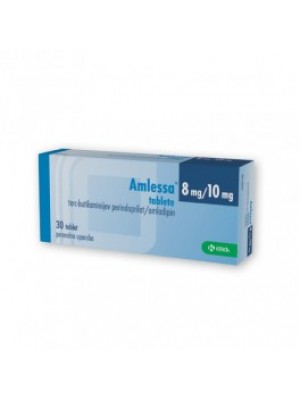
CO AMLESSA 8 mg. / 10 mg. /. 30 tabletsWhat is Co-Amlessa an..
15.00€
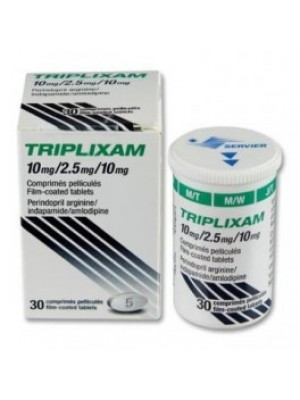

TRIPLIXAM 5 mg. / 10 mg. 30 tabletsWhat is TRIPLIXAM and wha..
23.00€

TRIPLIXAM 5 mg. / 5 mg. 30 tabletsWhat is TRIPLIXAM and what..
18.00€